

A Guide to the Fuel Pressure Sensor for the 2007-2011 Audi S8 V10
Erratic engine behavior in your S8 could point to this critical, but manageable, fuel system component.
- A P0087 code does not automatically mean the sensor is bad; proper diagnosis is crucial to avoid replacing the wrong parts.
- The S8 V10 has both a high-pressure and a low-pressure fuel sensor, either of which can cause issues.
- For critical sensors, prioritize OEM-supplier brands like Vemo over budget options for better reliability.
- Replacement is feasible for experienced DIYers, but requires safely de-pressurizing the high-pressure fuel system.
Symptoms of a Failing Fuel Pressure Sensor
A bad fuel pressure sensor in your S8 will make itself known through poor engine performance. Because the sensor's job is to report fuel pressure to the engine's computer, a false reading can cause the computer to make wrong decisions about how much fuel to deliver. You will likely notice one or more of the following issues:
- Check Engine Light or EPC Light: This is often the first sign. The Electronic Power Control (EPC) light may illuminate, and the car might enter a reduced-power "limp mode".
- Rough Idle and Stalling: The engine may idle erratically or stall completely, especially when coming to a stop or during cold starts.
- Hesitation and Power Loss: You may experience jerky acceleration or a significant lack of power when you press the gas pedal, particularly under heavy load.
- Hard Starting: The engine may take longer than usual to start because the ECU isn't seeing the correct fuel pressure needed for ignition.
Diagnose Before You Replace
The most common trouble code associated with these symptoms is P0087 (Fuel Rail/System Pressure Too Low). However, this code does not automatically mean the sensor is faulty. It can also be caused by a failing low-pressure fuel pump, a weak high-pressure fuel pump, a clogged fuel filter, or even a wiring issue. Proper diagnosis by comparing the sensor's reading to a mechanical fuel pressure gauge is essential to avoid replacing parts unnecessarily.
Choosing the Right Aftermarket Fuel Pressure Sensor
For a high-performance, complex engine like the S8's V10, sensor quality is critical. While an OEM sensor from an Audi dealer is always an option, several aftermarket brands offer a balance of quality and value. They can be grouped into the following tiers:
- Tier 1 - OEM Supplier Quality: Brands like Vemo are often original equipment manufacturers for Audi and other German brands. Choosing a sensor from this tier gives you high confidence in its fit, function, and longevity.
- Tier 2 - Trusted Aftermarket: Standard Ignition (SMP) is a well-known aftermarket manufacturer that generally produces reliable parts and is a solid choice if an OEM supplier is not available.
- Tier 3 - Budget Options: Brands like Dorman and URO Parts offer a more budget-friendly price point. However, forum discussions among Audi owners suggest that the quality of URO parts can be inconsistent for electronic components. These brands can be a viable option, but for a critical sensor on a performance engine, sticking to Tier 1 or 2 is often the safer bet. The 'Replacement' brand is a generic private label with unknown quality.
Cost of Replacing an Audi S8 Fuel Pressure Sensor
The total cost will depend on the part you choose and whether you perform the labor yourself. The S8 has both a high-pressure and low-pressure sensor; prices are for a single sensor.
| Part/Service | Estimated Cost |
|---|---|
| New OEM Sensor | $130 - $160 |
| New Aftermarket Sensor | $45 - $95 |
| Shop Labor | $150 - $250 |
| Total Professional Replacement | $195 - $410 |
A Note on Known Issues
While there are no specific recalls for the fuel pressure sensor on the 2007-2011 S8, Audi has issued Technical Service Bulletins (TSBs) for diagnosing both the low-pressure (G410) and high-pressure (G247) sensors. TSB 2015106/9 notes that the low-pressure sensor can fail due to internal fuel intrusion. This reinforces the need for accurate diagnosis before assuming which part has failed.
Frequently Asked Questions
Is it the high-pressure or low-pressure sensor that fails?
Both can fail, but they often produce different trouble codes. The high-pressure sensor (G247) on the fuel rail is a common culprit for P0087 codes under load. The low-pressure sensor (G410) is more associated with TSB 2015106/9 and codes like P2540. A thorough diagnosis is the only way to be certain.
Can I replace the fuel pressure sensor myself?
This is possible for an experienced DIY mechanic. The high-pressure sensor is located on the fuel rail in the engine valley, and access can be tight. The most critical step is safely de-pressurizing the high-pressure fuel system before loosening any fittings. Failure to do so can be dangerous. If you are not comfortable working with high-pressure fuel lines, this job is best left to a professional.
Will replacing the sensor definitely fix a P0087 code?
Not necessarily. The P0087 code indicates that fuel pressure is too low, but the sensor is just the messenger. The root cause could be a weak fuel pump (either low or high pressure) or a clogged fuel filter. Replacing the sensor only fixes the problem if the sensor itself is the part that has failed and is sending incorrect information.
Are there any recalls for the 2007-2011 S8 fuel pressure sensor?
No. There are fuel system recalls for the next-generation (2013-2016) S8 related to a porous fuel line, but none that specifically target the fuel pressure sensor for the 2007-2011 model years.
Technical Specifications
OEM Part Numbers: 06E906051K 06E906051J 06E906051E
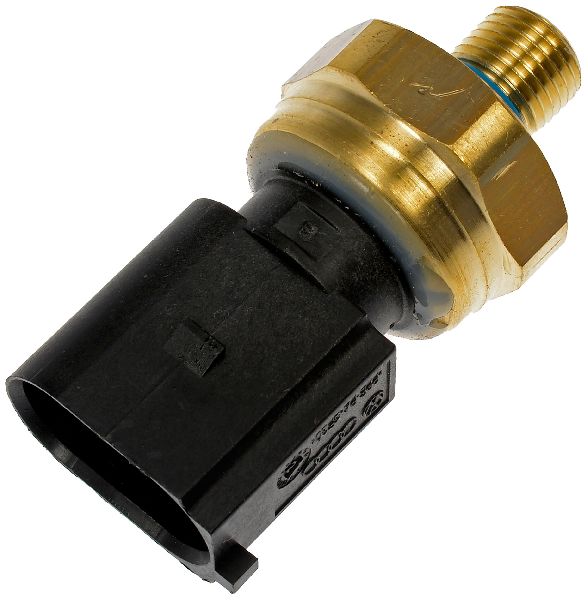
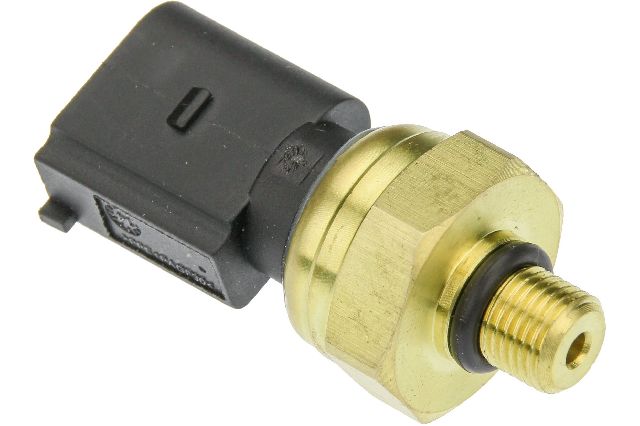
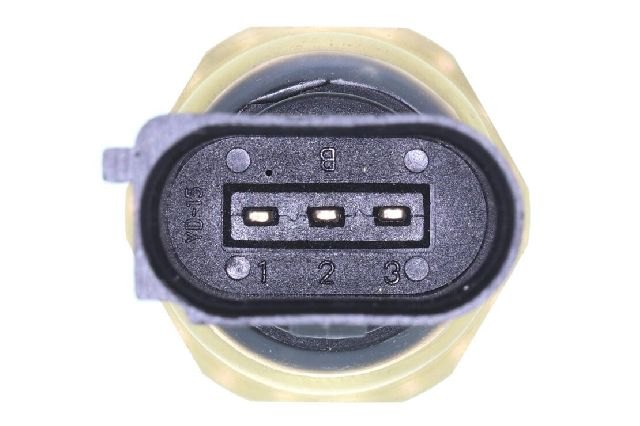
This guide covers both the high-pressure sensor (G247) on the fuel rail and the low-pressure sensor (G410) on the supply line. The most common replacement for P0087 codes is the high-pressure sensor.
We Have This Part in Stock


The information in this article is provided for general reference and educational purposes only. Vehicle specifications, procedures, and part compatibility can vary by production date, trim level, and region. Always consult your vehicle's factory service manual and verify part numbers before purchasing or performing repairs. Safety-critical components such as airbags, seat belts, and braking systems should be installed by a qualified professional.
- Audi S8: