

A Guide to the 2007-2011 BMW 320i Engine Crankcase Breather Hose
Understanding why this critical plastic hose fails and how to choose the right replacement.
- The plastic breather hose is a guaranteed failure point due to heat and age; it's not if, but when.
- Symptoms include a rough idle, Check Engine Light (lean codes), oil consumption, and whistling noises.
- The hoses are notoriously brittle and will likely shatter on removal; plan to replace, not reuse.
- For best results, replace all PCV hoses at once using a quality aftermarket brand like Rein or Vaico.
Signs of a Failing Breather Hose on Your 320i
The crankcase breather hoses on the E90 3-series are known to fail. Made of plastic, they become extremely brittle over time due to constant exposure to engine heat and oil vapor. When a hose cracks or breaks, it creates a vacuum leak, leading to several noticeable problems.
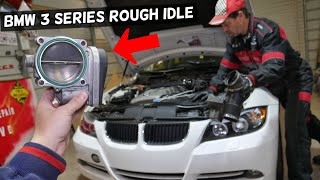
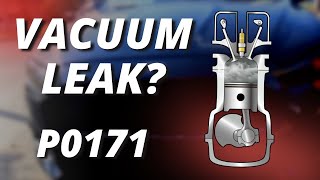
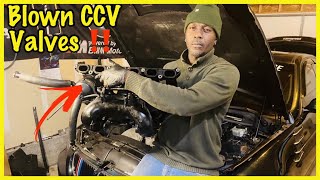
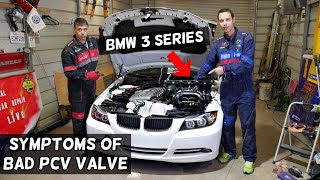
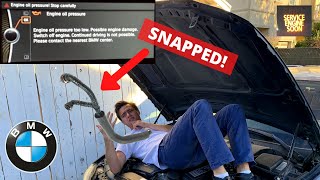
🎬 Watch this guide to identify common vacuum leak symptoms.- Rough Idle & Stalling: A cracked hose allows unmetered air into the engine, which can cause a rough, unstable idle and even stalling.
- Check Engine Light: The vacuum leak will often trigger a Check Engine Light with codes related to a lean fuel mixture or misfires.
- Increased Oil Consumption: A faulty PCV system can suck too much oil into the intake, causing the engine to burn it. You may notice you need to add oil more frequently.
- Blue or White Exhaust Smoke: This is a sign that oil is being burned in the combustion chambers, often due to a failed ventilation system.
- Whistling or Honking Noises: Air being sucked through a small crack in a hose can create a distinct whistling, wheezing, or honking sound from the engine bay.
A Known Point of Failure
The plastic used for these hoses is a common failure point across the E90 model range. It's not a matter of if it will fail, but when. The hoses become so brittle that they can shatter with the slightest touch during other maintenance. Many mechanics recommend replacing the full set of breather hoses whenever you are working in the area.
Choosing the Right Aftermarket Breather Hose
Since the original BMW part is prone to failure, many owners wonder about aftermarket options. For a simple part like a hose, quality aftermarket brands can offer a reliable repair without the high cost of an OEM part from the dealer.
- OEM-Equivalent Brands (Tier 1): Brands like Rein are often considered OEM suppliers, meaning they manufacture parts for BMW. Their products are expected to match the fit and quality of the original part.
- Quality Aftermarket Brands (Tier 2): Brands such as Vaico and Meyle have a reputation for producing quality replacement parts that meet or exceed original specifications. They are a dependable choice for a cost-effective repair.
- Budget Brands (Tier 3): While widely available, the cheapest unbranded parts can be a gamble. Forum users often report issues with poor fitment or premature failure of low-cost PCV components, leading to doing the job twice. For a part that is difficult to access, it's often worth spending a little more for a reputable brand.
| Part Type | Estimated Cost |
|---|---|
| New OEM (Dealer) | $75 - $120 |
| New Aftermarket (Rein, Vaico) | $30 - $60 |
| Used OEM | Not Recommended (brittle plastic) |
Pro Tip: Replace the Whole System
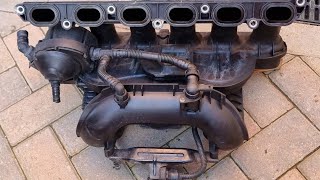
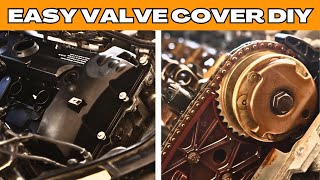
The breather hose is just one part of the crankcase ventilation system. On the 4-cylinder engine in the 320i, the system also includes a pressure-regulating valve that is often built into the valve cover. 🎬 See a step-by-step walkthrough of the N46 PCV replacement. If one hose has failed due to age, the others are likely not far behind. It is highly recommended to replace all the PCV hoses at the same time to avoid future failures.
Frequently Asked Questions
Is there a recall on the 320i breather hose?
No, there are no specific recalls for the breather hose itself. However, BMW has issued recalls for the PCV valve heater on many 2007-2011 3-Series models. This related component can short-circuit and create a fire risk. You can check if your vehicle is affected by entering your VIN on the NHTSA website.
Can I replace just the broken hose?
Yes, you can replace only the failed hose. However, because all the plastic PCV hoses age at the same rate, it is common practice to replace the entire set to prevent having to do the job again when another hose inevitably breaks.
How difficult is it to replace this hose?
Replacement can be challenging. The hoses are often located in tight spaces, sometimes under the intake manifold, making access difficult. The old hose will likely break into pieces during removal, so care must be taken to remove all fragments. While it is a feasible DIY for an experienced mechanic, a novice may find it frustrating.
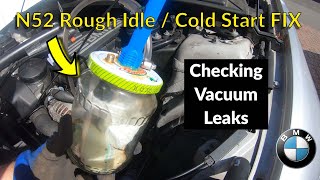
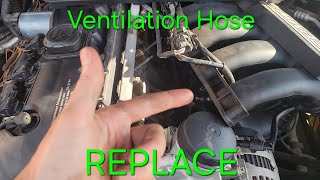
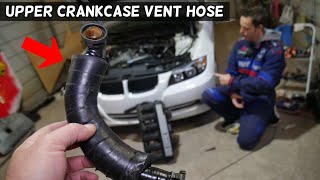
🎬 Watch this video for a detailed breather hose replacement tutorial.What happens if I don't replace a broken breather hose?
Driving with a broken breather hose will cause persistent engine problems like a rough idle and poor performance. It can lead to increased oil consumption and will prevent your car from passing an emissions test. Over time, the incorrect air-fuel mixture can also damage your catalytic converter.
Helpful Videos

Technical Specifications
OEM Part Numbers: 11157503523
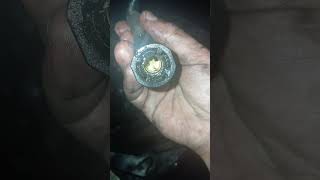
This guide covers the various plastic hoses that are part of the crankcase ventilation system. The primary hose connects the valve cover to the oil separator system. These hoses often feature quick-disconnect style fittings that become brittle and fail.

The information in this article is provided for general reference and educational purposes only. Vehicle specifications, procedures, and part compatibility can vary by production date, trim level, and region. Always consult your vehicle's factory service manual and verify part numbers before purchasing or performing repairs. Safety-critical components such as airbags, seat belts, and braking systems should be installed by a qualified professional.
- BMW 320i: