

A Guide to Replacing Disc Brake Pads on Your 2007-2011 BMW 528i
Choosing the right new aftermarket brake pads for your E60 528i is about balancing performance, dust, and cost.
- Always replace brake pads, rotors, and wear sensors together on a 2007-2011 528i for best performance and safety.
- Choose Akebono ceramic pads if your main goal is to eliminate the heavy brake dust common with OEM pads.
- If you prefer the strong initial bite of the factory brakes, choose an OEM-supplier brand like Textar, Pagid, or Brembo.
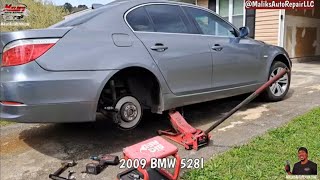
- A DIY brake job is very feasible on this car and can save you over a thousand dollars compared to dealer prices.
Is it Time for New Brake Pads?
The braking system on your E60-generation 528i is precise, but its components are designed to wear out over time. Ignoring the signs of worn brake pads can lead to reduced stopping power and more expensive repairs down the road. Pay attention to your car's built-in alerts and physical symptoms.
Key Failure Symptoms
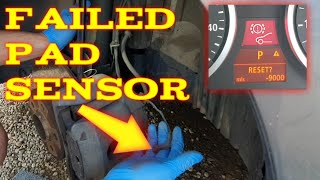
- Brake Warning Light: The most obvious sign. Your BMW's computer has detected that the brake pad wear sensor has been tripped, meaning the pads are at their minimum thickness. Once this light is on, the sensor must be replaced along with the pads.
- Squealing or Grinding Noises: A high-pitched squeal when you apply the brakes is an early warning. A louder, more aggressive grinding sound means the pad material is likely gone, and you have metal-on-metal contact, which can quickly destroy your brake rotors.
- Vibration or Pulsing: If you feel a pulsing in the brake pedal or a vibration through the steering wheel when braking, it could mean your rotors have been damaged from worn pads or have uneven deposits.
Choosing the Right Aftermarket Brake Pads
One of the most common complaints from 528i owners about the original factory pads is the excessive amount of dark brake dust that coats the wheels. Many aftermarket options are designed to solve this problem while maintaining or even improving performance. Here’s how to choose from the available brands.
Tier 1: Low-Dust Ceramic Pads
This is the most popular upgrade for daily-driven 528i models. These pads offer clean operation and quiet, consistent stopping power for normal driving.
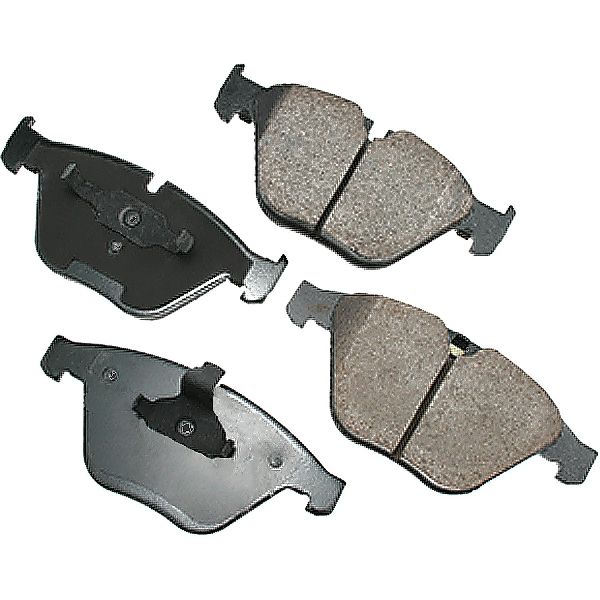
- Akebono EURO Ceramic: Widely recommended by BMW owners for their extremely low dust output and quiet operation. They provide stopping power comparable to stock for street use but may have a slightly less aggressive initial "bite" than the original semi-metallic pads.
- Bosch QuietCast: Another quality ceramic option known for quiet performance and low dust.
Tier 2: OEM-Equivalent Pads
If you like the original braking feel of your BMW and don't mind the dust, these brands are original equipment suppliers. They will perform just like the pads your car came with from the factory.
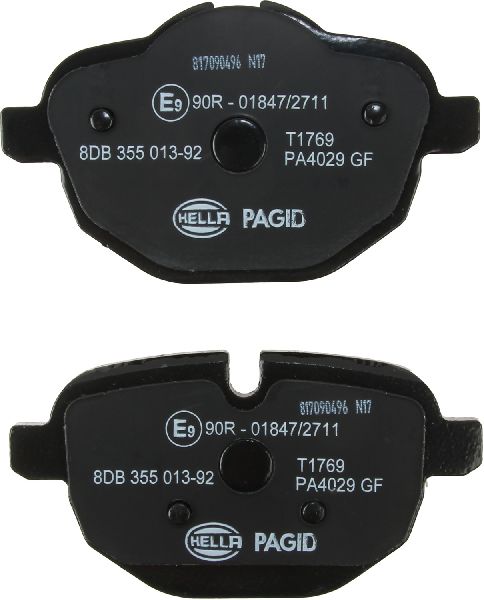
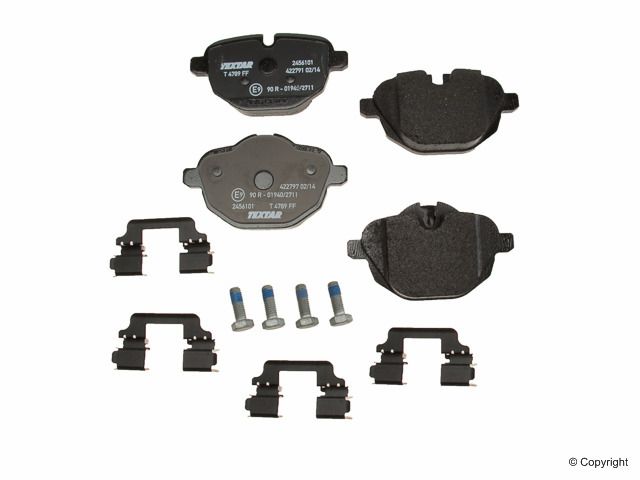
- Textar, Pagid, Jurid, ATE: These are the brands BMW uses for its genuine parts. Choosing one of these will restore the factory braking characteristics, including the strong initial bite and the high-dust semi-metallic formula.
- Brembo: Known for high-performance systems, their OEM-replacement pads are a solid choice for factory-like performance.
Tier 3: Street Performance Pads
For the owner who enjoys spirited driving and wants more bite and better fade resistance than stock without moving to a full track pad.
- Hawk HPS / HPS 5.0: A popular performance street pad that offers increased stopping power and a better initial bite than stock. They are a step up in performance but may produce more dust and noise than ceramic options.
- EBC Brakes Redstuff: A unique option that combines performance with low dust. These ceramic-based pads are designed for spirited street use and offer a strong bite with less dust than typical performance pads.
- StopTech Street Performance: A well-regarded choice for drivers who want a capable pad for aggressive street driving and occasional autocross use without the harshness of a race pad.
A Note on Rotors and Sensors
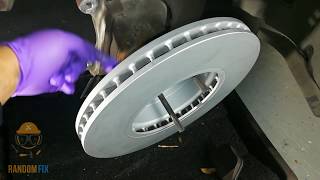
It is strongly recommended to replace your brake rotors at the same time as your pads. BMW rotors are relatively thin and not designed to be resurfaced. 🎬 Watch: Complete front brake pad and rotor replacement walkthrough. Installing new pads on worn rotors can cause noise, vibration, and accelerated wear. Also, always replace the two brake wear sensors (front-left and rear-right) with every pad change.
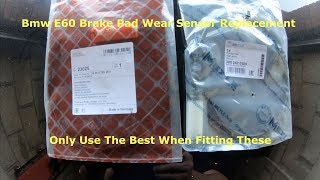
🎬 See how to replace front and rear brake wear sensors.Known Issues, Recalls, and TSBs
There are no specific recalls or Technical Service Bulletins (TSBs) from the NHTSA for the disc brake pads on the 2007-2011 BMW 528i. While BMW has issued brake-related recalls for other models and years, they do not apply to the E60 528i's core braking hardware.
Frequently Asked Questions (FAQ)
What are brake wear sensors and do I have to replace them?
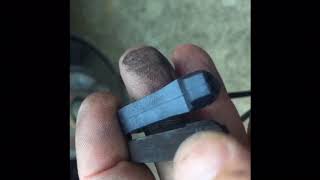
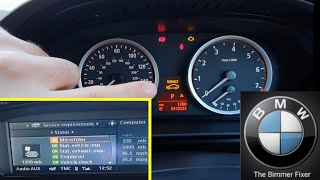
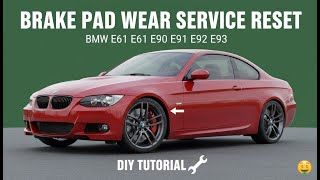
Your 528i has two electronic brake wear sensors, one on the driver-side front wheel and one on the passenger-side rear wheel. When the pad wears down, the sensor makes contact with the rotor, breaks, and triggers a light on your dashboard. Once this happens, the sensor is destroyed and must be replaced to reset the light. 🎬 Watch this quick guide to reset your brake service light. It is best practice to replace them with every brake job, as they are inexpensive and the plastic can become brittle over time.
Do I really need to replace my rotors with my pads?
Yes, it is highly recommended for this vehicle. Unlike some domestic cars, BMW rotors are considered a wear item and are not thick enough to be safely machined or "turned." Putting new pads on a worn rotor with a developed lip or grooves will lead to poor performance, noise, and vibration.
What's the difference between ceramic and semi-metallic pads?
Semi-metallic pads, like the ones your BMW came with, offer a strong initial bite and great performance but create a lot of black dust. Ceramic pads, like the popular Akebono upgrades, create very little light-colored dust and are very quiet, but may feel slightly less aggressive on the first touch of the pedal. For most daily driving, ceramic pads are a preferred upgrade to keep wheels clean.
Why are my new brakes squeaking?
New brake squeak can happen for a few reasons. First, new pads require a "bedding-in" procedure to mate the pad surface to the rotor. This involves a series of hard stops to transfer a layer of friction material. Second, improper installation is a common cause. Ensure that all contact points on the caliper bracket and the back of the pads were properly cleaned and lubricated with a high-temperature silicone brake grease.
Helpful Videos
Technical Specifications
OEM Part Numbers: 34216763043 (Rear, up to 11/2007) 34216784135 (Rear, from 11/2007)
The system uses two electronic brake wear sensors: one for the front axle (driver side) and one for the rear axle (passenger side). Caliper guide pins require a 7mm hex socket for removal.
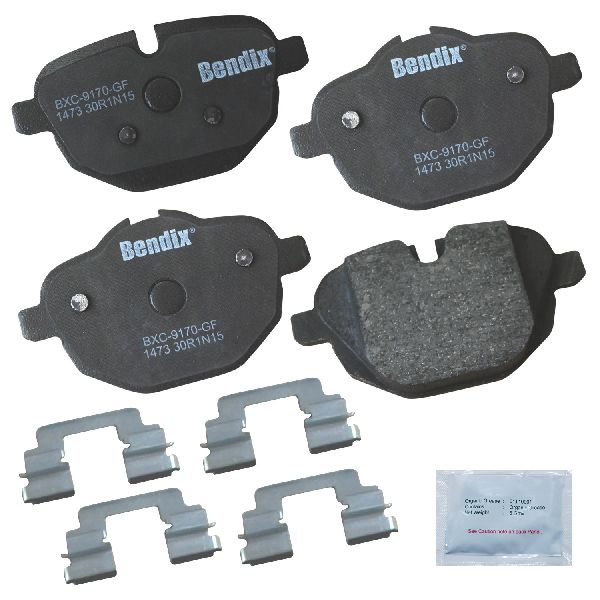
We Have This Part in Stock
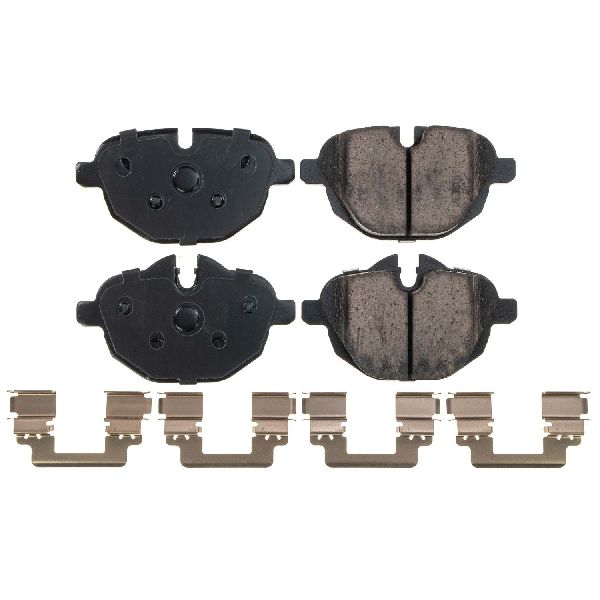
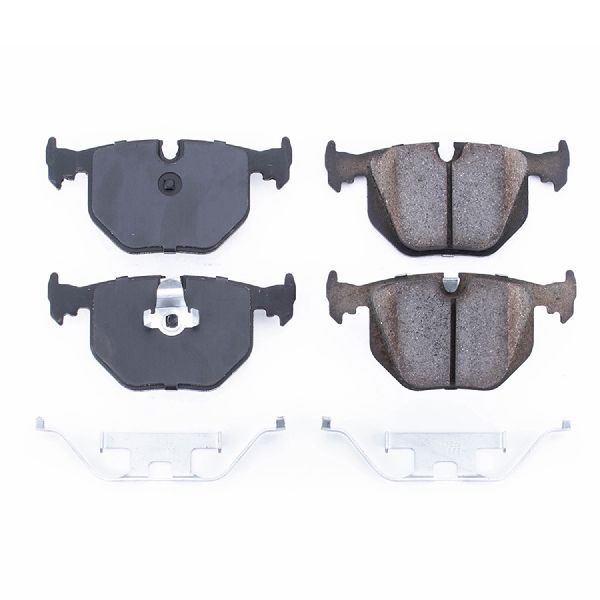

The information in this article is provided for general reference and educational purposes only. Vehicle specifications, procedures, and part compatibility can vary by production date, trim level, and region. Always consult your vehicle's factory service manual and verify part numbers before purchasing or performing repairs. Safety-critical components such as airbags, seat belts, and braking systems should be installed by a qualified professional.
- BMW 528i:
- 🎬 Helpful Videos
- 🛍️ Shop This Part
- Is it Time for New Brake Pads?
- Key Failure Symptoms
- Choosing the Right Aftermarket Brake Pads
- Tier 1: Low-Dust Ceramic Pads
- Tier 2: OEM-Equivalent Pads
- Tier 3: Street Performance Pads
- A Note on Rotors and Sensors
- Known Issues, Recalls, and TSBs
- Frequently Asked Questions (FAQ)
- 🎟️ Get 5% Off