

A Guide to Radiator Coolant Hoses for the 2007-2011 BMW 528i (E60)
Your guide to replacing the old, brittle radiator hoses on your E60 BMW 528i before they leave you stranded.
- Radiator hoses on the 2007-2011 528i fail due to age; if they are original, they are overdue for replacement.
- The plastic connectors are the weakest point and often crack, causing leaks. Be gentle with surrounding plastic parts during replacement.
- Choose a quality aftermarket brand like CRP/Rein, Gates, or Febi for a reliable repair without the OEM price tag.
- Always replace hoses as a set and use BMW-specific G48 blue coolant to protect your engine.
Is Your 2007-2011 BMW 528i Leaking Coolant?
If you own an E60 generation BMW 528i, you are likely familiar with the brand's use of plastic in its cooling systems. Over time and after thousands of heat cycles, the rubber on your radiator hoses becomes hard and brittle, and the plastic quick-connect ends are prone to cracking. This is not a matter of if, but when, they will fail. A sudden hose failure will cause a massive coolant leak and can lead to catastrophic engine damage from overheating. Recognizing the signs of a failing hose is critical for any owner.
Symptoms of a Failing Radiator Hose
- Coolant Puddles: Finding a puddle of blue or green, sweet-smelling liquid under the front of your car is the most obvious sign of a leak.
- Low Coolant Warning: The 'Low Coolant' light on your dashboard may illuminate. You may find yourself needing to top off the coolant reservoir frequently.
- Engine Overheating: If your temperature gauge climbs into the red, it's a serious sign that your cooling system is not working. A burst hose is a common cause.
- Visible Hose Damage: Inspect the hoses. Hoses that are swollen, spongy, bulging, or have visible cracks need immediate replacement. Pay close attention to the plastic connectors for hairline cracks.
Pro-Tip: Handle with Care During Replacement
The plastic fittings on the radiator, thermostat housing, and expansion tank can become just as brittle as the hoses. It is very common to break the neck of the radiator or another plastic part when trying to remove a stubborn old hose. Be prepared for the possibility of needing to replace more than just the hose itself.
Choosing the Right Aftermarket Hose Brand
You don't need to pay dealership prices for a quality radiator hose. Several reputable aftermarket brands offer parts that meet or exceed OEM specifications. Here’s a breakdown of the brands available, tiered by quality based on owner experiences and industry reputation.
Tier 1: OEM Quality & Proven Performers
- CRP (Rein): Often considered an OE-equivalent supplier. Rein is a well-respected brand in the BMW community. They sometimes offer improved parts, like metal replacements for plastic components. However, always inspect the part upon arrival. One owner noted a difference in the O-ring design on a Rein hose compared to the original, which caused a leak, highlighting the importance of checking even quality parts.
- Gates: A global leader in hoses and belts. Gates hoses are known for their quality construction and are a trusted choice for replacement. They are a reliable option that should fit and perform correctly.
- Febi: A German brand with a long history. Forum users have reported good long-term experiences with Febi hoses, with some lasting many years without issue.
Tier 2: Standard Replacement
- Dayco: A widely available brand that offers a reliable, standard replacement. While some enthusiasts have preferences for other brands, Dayco hoses are a cost-effective and dependable choice that will get the job done.
Tier 3: Budget-Friendly Options
- URO Parts: URO is known for providing some of the most affordable parts. While they engineer parts to meet OE specifications, the quality can sometimes be inconsistent compared to premium brands. Best for owners on a strict budget who understand the potential trade-offs.
- Vaico: Reviews for Vaico are often mixed. While they are a German company, some forum users express hesitation. They can be an acceptable choice if the price is significantly lower than other options, but for a critical part like a radiator hose, it may be worth spending a little more for peace of mind.
Frequently Asked Questions (FAQ)
How often should I replace my radiator hoses?
As a preventative measure, it's a good idea to inspect your hoses annually and plan to replace them every 4 to 5 years or around 60,000 miles, regardless of their appearance. For a 2007-2011 model, if the hoses are original, they are overdue for replacement.
Should I replace all the radiator hoses at once?
Yes. If one hose has failed due to age, the others are not far behind. They have all been exposed to the same heat and pressure for the same amount of time. Replacing them all at once saves you from having to do the same job again in a few months and prevents another potential failure. When buying an upper hose, it's wise to buy the lower hose at the same time.
What else should I replace with the hoses?
Since you will be draining the cooling system, it's the perfect time to replace other cooling system components. Consider replacing the thermostat, water pump (a known failure point on these cars), and the expansion tank. At a minimum, you should replace the coolant with fresh, BMW-approved G48 blue coolant.
Why is using the correct BMW coolant so important?
BMW engines require a specific type of coolant, typically a phosphate-free, G48 formula (blue in color). Using generic green or orange coolant can cause corrosion and damage to the aluminum components inside your engine and cooling system, leading to much more expensive repairs down the road.
Are there any recalls for the radiator hoses?
No. There are no specific recalls from BMW or the NHTSA for the radiator coolant hoses on the 2007-2011 528i. There are unrelated recalls for a PCV valve heater and an auxiliary water pump on some models, but these do not pertain to the main radiator hoses.
Technical Specifications
OEM Part Numbers: 17127560161 17127519248 11537581063 11537522999 17127560160
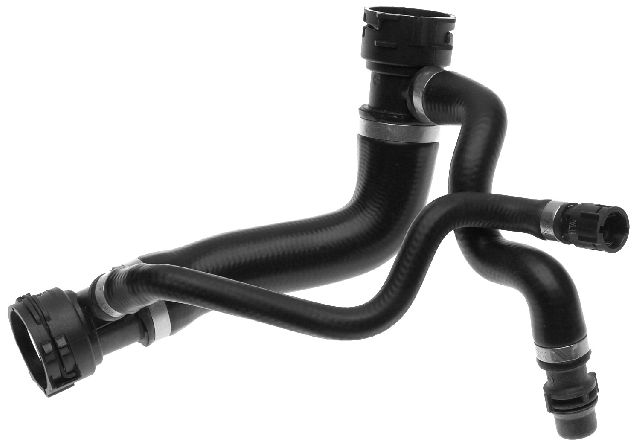
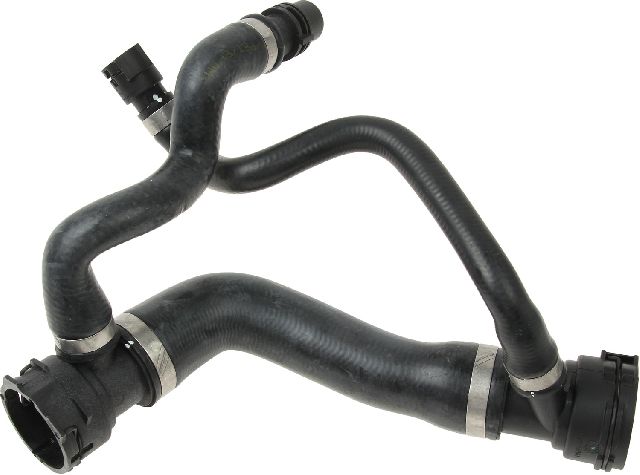
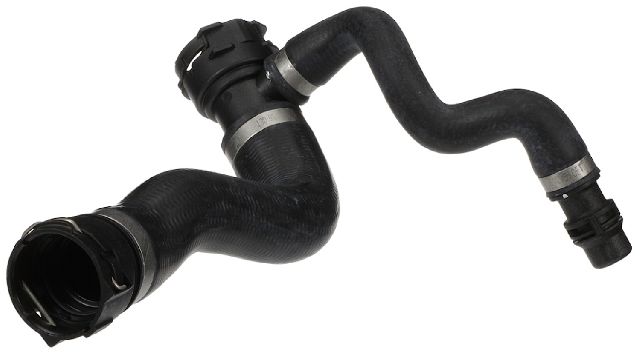
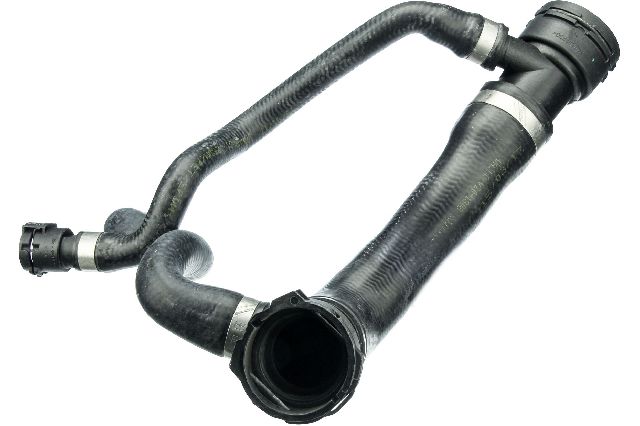
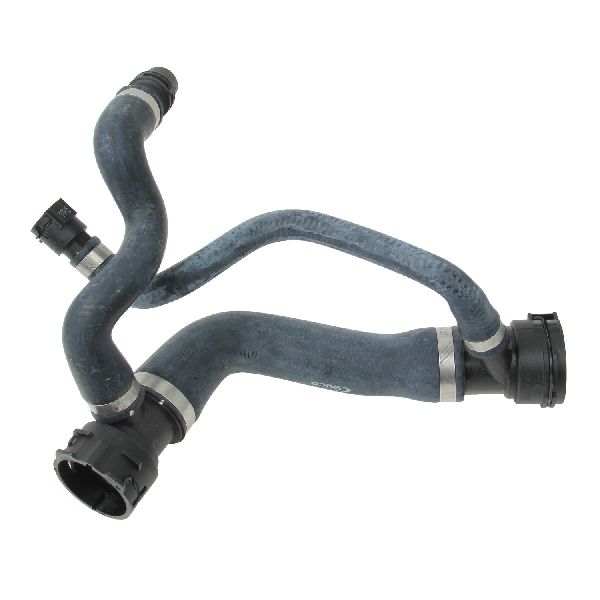
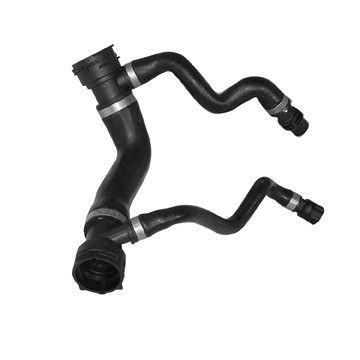
Material: EPDM rubber with plastic quick-connect fittings. Coolant Type: G48 (Blue). Includes upper and lower hoses, and may include smaller vent or ancillary hoses.
We Have This Part in Stock

The information in this article is provided for general reference and educational purposes only. Vehicle specifications, procedures, and part compatibility can vary by production date, trim level, and region. Always consult your vehicle's factory service manual and verify part numbers before purchasing or performing repairs. Safety-critical components such as airbags, seat belts, and braking systems should be installed by a qualified professional.
- BMW 528i:
- 🛍️ Shop This Part
- Is Your 2007-2011 BMW 528i Leaking Coolant?
- Symptoms of a Failing Radiator Hose
- Pro-Tip: Handle with Care During Replacement
- Choosing the Right Aftermarket Hose Brand
- Tier 1: OEM Quality & Proven Performers
- Tier 2: Standard Replacement
- Tier 3: Budget-Friendly Options
- Frequently Asked Questions (FAQ)
- 🎟️ Get 5% Off