

Chevrolet Avalanche Suspension Ride Height Sensor Guide (2007-2011)
Is your Avalanche suspension sagging or giving you a "Service Suspension System" message? This guide is for you.
- A "Service Suspension System" message and a sagging rear end are the most common signs of a bad ride height sensor on an Avalanche with Autoride.
- This part is only for models with the Z55 Autoride electronic suspension; check your glove box sticker for the "Z55" code before buying.
- Before replacing the sensor, check its small plastic linkage arm, as it can break and cause the same symptoms.
- Aftermarket brands like Dorman offer a budget-friendly fix, but owner reviews suggest they may not last as long as OEM or premium aftermarket parts.
Understanding the Suspension Ride Height Sensor in Your Avalanche
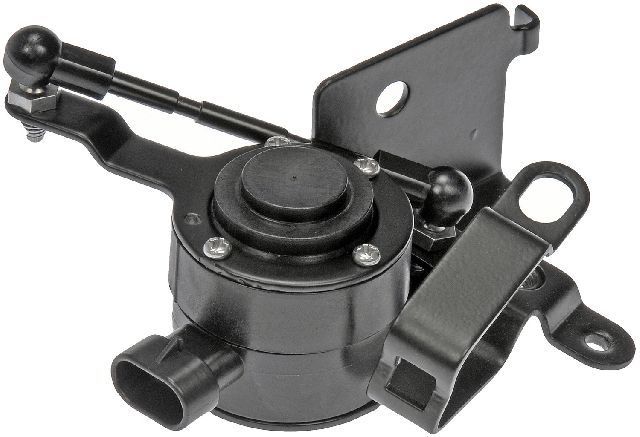
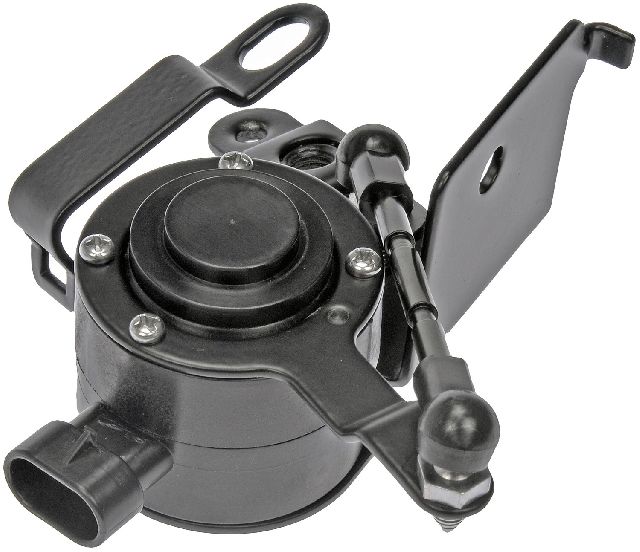
If your 2007-2011 Chevrolet Avalanche has the Autoride (Z55) electronic suspension, it uses ride height sensors to stay level and provide a smooth ride. These sensors are small electronic parts with a movable arm connected to the suspension. As the truck moves, the arm sends a signal to the computer, which then adjusts the air shocks. When a sensor fails, the computer gets bad information, leading to a number of suspension problems.
Common Symptoms of a Bad Ride Height Sensor
A failing ride height sensor can cause several noticeable issues. Here’s what to look for:
- "Service Suspension System" Message: 🎬 Watch: How to diagnose the Service Suspension System message This is the most common sign. A warning light will appear on your dashboard telling you there's a problem with the system.
- Sagging Suspension: The rear of the truck may sag, or one corner might sit noticeably lower or higher than the others. This is especially common when the truck is parked overnight.
- Poor Ride Quality: The ride may suddenly feel very bouncy, harsh, or stiff, as the system can't adjust the shocks correctly.
- Compressor Issues: You might hear the air suspension compressor running constantly as it tries to correct the height, or it may not run at all. A bad sensor can cause the compressor to burn out from overuse.
Known Issues for the 2007-2011 Avalanche
While there are no specific recalls for the ride height sensors, GM issued a Technical Service Bulletin (TSB PIT4954D) for similar symptoms. This TSB notes that a "Service Suspension System" message can be caused by moisture in the air pressure sensor or by pinched wiring near the compressor assembly. It's a good idea to check these related parts during diagnosis, as the symptoms are nearly identical to a failed ride height sensor.
Choosing the Right Aftermarket Sensor
When replacing a ride height sensor, you have a few options. The original part is from AC Delco, but several aftermarket brands offer replacements at a lower cost. Here’s an honest breakdown:
- Premium Aftermarket (e.g., Standard Ignition): Brands like Standard Ignition (SMP) are known for making quality electronic parts that meet or exceed OEM standards. They are a reliable choice for durability without the high dealer price.
- Value-Oriented (e.g., Dorman): Dorman is a popular brand that often redesigns parts to fix original flaws. However, owner experiences with their electronic sensors are mixed; some report failures in as little as a year. They are a budget-friendly option, but may not offer the same lifespan as an OEM or premium part.
- Economy (e.g., Replacement, Skyward, TRQ): These brands offer the lowest prices and can be a good solution if you're on a tight budget. They are built to fit and function, but long-term durability may be a concern compared to more established brands.
Pro Tip: Before you replace a sensor, inspect the linkage arm that connects it to the control arm. These plastic arms can break or pop off, causing the same symptoms as a failed sensor. Sometimes, just replacing the arm is all you need.
Cost of Replacing a Suspension Ride Height Sensor
The cost can vary depending on the brand you choose and whether you do the work yourself. The job is simple enough for a DIYer with basic tools.
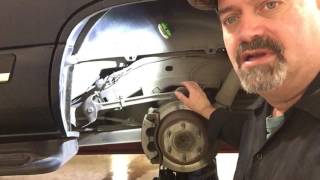
🎬 See this walkthrough for replacing front ride height sensors| Part/Service | Estimated Cost |
|---|---|
| New OEM (AC Delco) Sensor | $180 - $250 per sensor |
| New Aftermarket Sensor | $65 - $155 per sensor |
| Shop Labor | $100 - $150 per sensor |
| DIY Total (Aftermarket) | $65 - $155 |
| Shop Total (Aftermarket) | $165 - $305 |
Cost estimates are approximate and can vary by location and supplier.
Frequently Asked Questions
Do I need to replace all ride height sensors at once?
No, you only need to replace the one that has failed. However, they are exposed to the same conditions, so if one has failed from age, the others might not be far behind. Many owners choose to replace the rear sensors as a pair.
How do I know which sensor is bad?
The best way is to use an OBD-II scan tool that can read live data from the suspension control module. The tool will show the voltage or position reading from each sensor, making it easy to spot the one that isn't responding or is giving an incorrect reading.
🎬 Watch: A guide to diagnosing GM air suspension problemsIs a special calibration needed after replacement?
Generally, no special calibration is needed for a direct-fit replacement sensor. Once installed, the system should recognize the new sensor and resume normal operation. An alignment is recommended if the truck was driven for a long time with an incorrect ride height, as this can cause uneven tire wear.
Are the front and rear sensors the same?
No. The rear sensors are typically interchangeable from left to right, but the front sensors are side-specific (left and right are different part numbers). Always verify the correct part for the specific location you are replacing.
Helpful Videos
Technical Specifications
OEM Part Numbers: 15128648 15128649 15098628 15098629
The system uses four sensors, one at each wheel, for vehicles equipped with the Z55 Autoride suspension. The front sensors are side-specific, while the rear sensors are often sold as a pair.
We Have This Part in Stock


The information in this article is provided for general reference and educational purposes only. Vehicle specifications, procedures, and part compatibility can vary by production date, trim level, and region. Always consult your vehicle's factory service manual and verify part numbers before purchasing or performing repairs. Safety-critical components such as airbags, seat belts, and braking systems should be installed by a qualified professional.
- Chevrolet Avalanche:
- 🎬 Helpful Videos
- 🛍️ Shop This Part
- Understanding the Suspension Ride Height Sensor in Your Avalanche
- Common Symptoms of a Bad Ride Height Sensor
- Known Issues for the 2007-2011 Avalanche
- Choosing the Right Aftermarket Sensor
- Cost of Replacing a Suspension Ride Height Sensor
- Frequently Asked Questions
- 🎟️ Get 5% Off