

A Deep Dive into the Throttle Position Sensor for the 2007-2011 Chevrolet Impala
If your Impala is showing 'Reduced Engine Power' or accelerating poorly, the throttle position sensor could be the culprit.
- Symptoms like 'Reduced Engine Power' can be caused by the TPS on the engine or the APP sensor on the pedal; verify which part is faulty.
- For 2009-2011 models, check with a dealer about Special Coverage 14636 for the APP sensor before buying a TPS.
- You can replace just the sensor without buying a whole new throttle body, making it an affordable repair.
- A quality aftermarket brand is a reliable and cost-effective choice for this repair.
Is Your Impala Acting Sluggish or Erratic?
A failing throttle position sensor (TPS) in your 2007-2011 Chevrolet Impala can cause a range of frustrating issues. Because this sensor is a key input for fuel and timing, a bad signal can make your car feel unpredictable. You might experience a sudden loss of power, poor acceleration, or a check engine light that won't go away.
A Note on 'Reduced Engine Power' and Recalls
Many Impala owners from 2009-2011 are aware of a Special Coverage (GM Bulletin 14636) for an issue causing a "Reduced Engine Power" message. It's important to know this coverage applies to the Accelerator Pedal Position (APP) sensor, which is part of the gas pedal assembly, not the Throttle Position Sensor on the engine. The symptoms are very similar. Before purchasing a TPS, check with a GM dealer to see if your vehicle's issue is related to the covered APP sensor, which might be repaired at no charge if your vehicle falls within the 10-year/120,000-mile window.
Symptoms of a Failing Throttle Position Sensor
A bad TPS sends incorrect information to your car's computer. This can feel like a few different problems. Look out for these common signs:
- Check Engine Light: The computer will often detect the faulty signal and trigger a Check Engine Light. Common codes include P0120-P0124, P2127, and P2135.
- Poor Acceleration or Hesitation: The car may feel sluggish, hesitate, or 'stumble' when you press the gas pedal.
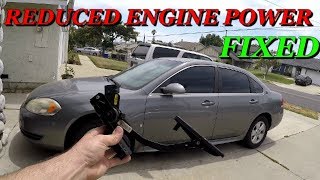
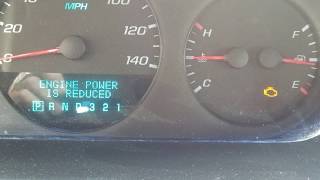
- Reduced Engine Power Mode: Your dashboard may display a "Reduced Engine Power" warning, and the car will limit its speed and acceleration to prevent damage. 🎬 See how to fix the Reduced Engine Power warning.
- Rough or High Idle: The engine might idle much higher than normal, or the idle may be rough and inconsistent.
- Stalling: In some cases, the engine may stall unexpectedly when you come to a stop or while idling.
- Sudden Surges or Jerking: The car might buck or jerk as the sensor sends erratic signals to the computer.
Choosing the Right Aftermarket TPS
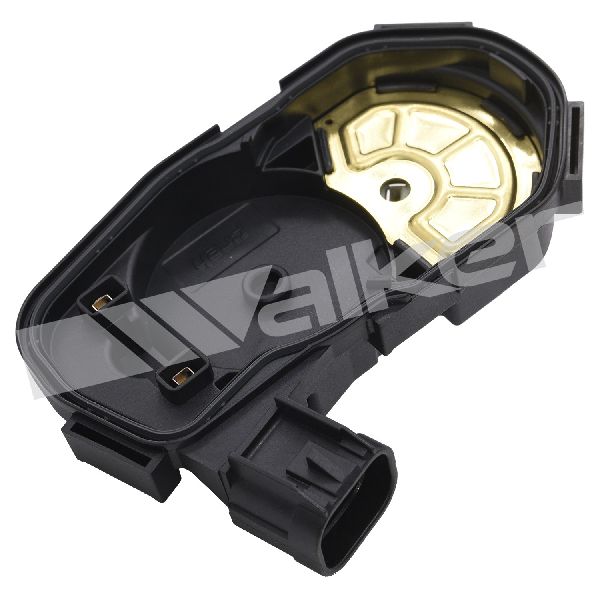
For the 2007-2011 Impala, the TPS is a small electronic unit clipped onto the side of the throttle body. A GM technical service bulletin (TSB) specifically notes that you do not need to replace the entire throttle body assembly to fix a bad sensor. This makes it a cost-effective DIY repair.
When it comes to aftermarket brands, quality is key for electronic parts. Cheaper, no-name parts can fail quickly or be dead on arrival.
- Standard Ignition (Standard Motor Products): This is a well-known and generally respected aftermarket brand that has been around for a long time. They manufacture a wide range of sensors and are often considered a reliable alternative to OEM parts. For a critical sensor like the TPS, Standard is a solid choice.
- Walker Products: Walker is another established aftermarket manufacturer. While not as widely discussed in forums as Standard, they are a known brand in the auto parts world.
Pro Tip: Given that even the original GM sensors have known issues, choosing a quality aftermarket part from a reputable brand like Standard Ignition is a smart and economical choice. You are not sacrificing quality compared to an OEM part that was prone to failure.
| Part Type | Estimated Cost |
|---|---|
| New OEM (GM Genuine/ACDelco) | $260 - $272 |
| New Aftermarket (Standard, Walker) | $117 - $122 |
| Shop Labor | $100 - $150 |
Frequently Asked Questions
Do I have to replace the whole throttle body?
No. For the 2007-2011 Impala, the throttle position sensor is a separate, replaceable part. GM issued service bulletins instructing technicians to replace only the sensor cover/sensor, not the entire throttle body assembly, for this specific issue. This saves significant money on parts and labor.
Is this a difficult repair to do myself?
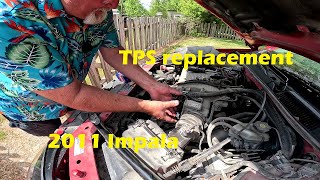
This is a very DIY-friendly repair. It involves removing the air intake duct, unplugging the sensor, carefully prying off a few metal clips, and swapping the sensor cover. 🎬 Watch this step-by-step TPS diagnosis and replacement walkthrough. The most important part is to be gentle with the clips and ensure the new sensor is seated correctly. It typically takes less than an hour with basic hand tools.
Does the new sensor need to be programmed or calibrated?
After replacing the TPS, you should perform a Throttle/Idle Learn procedure. This allows the car's computer to recognize the new sensor's baseline readings. The procedure is simple and usually involves idling the engine for a few minutes, turning it off, and then idling it again. If you don't, you may experience a high or unstable idle for a while until the computer adapts on its own.
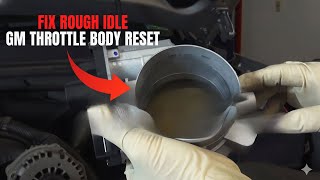
🎬 Watch: How to manually perform the throttle relearn procedure.What's the difference between the Throttle Position Sensor (TPS) and the Accelerator Pedal Position (APP) Sensor?
This is a common point of confusion for Impala owners. The APP sensor is attached to your gas pedal and reads how far your foot is pushing it. The TPS is on the engine's throttle body and reads the actual position of the throttle blade. Both can cause similar symptoms like "Reduced Engine Power," but they are two different parts in two different locations.
Helpful Videos
Technical Specifications
OEM Part Numbers: 24504522 19300180 25036663
The throttle position sensor for this Impala is a separate component that is clipped onto the side of the throttle body housing. It is not integrated into the throttle body itself, allowing for individual replacement.
We Have This Part in Stock


The information in this article is provided for general reference and educational purposes only. Vehicle specifications, procedures, and part compatibility can vary by production date, trim level, and region. Always consult your vehicle's factory service manual and verify part numbers before purchasing or performing repairs. Safety-critical components such as airbags, seat belts, and braking systems should be installed by a qualified professional.
- Chevrolet Impala: