

Ford Edge 2007-2011 Engine Oil Pressure Switch: A Complete Guide
Seeing a flickering oil light or getting a low-pressure warning? Here's what Ford Edge owners need to know about this critical sensor.
- Never ignore an oil pressure warning; stop the vehicle immediately and check the oil level.
- A common failure is oil leaking through the switch into the electrical connector; check this before replacement.
- The switch is located near the oil filter and is accessible from under the vehicle.
- Both OEM (Motorcraft) and quality aftermarket brands (like Standard Ignition) are reliable choices for this part.
Symptoms of a Failing Oil Pressure Switch

A bad oil pressure switch can create serious confusion. It can either fail to warn you of a real problem or cry wolf when nothing is wrong. Here are the most common signs:
- Flickering or Solid Oil Warning Light: This is the most frequent symptom. The light may flicker intermittently, especially during turns or acceleration, or it may stay on constantly. This can happen even if your oil level and actual pressure are perfectly fine.
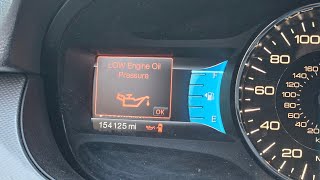
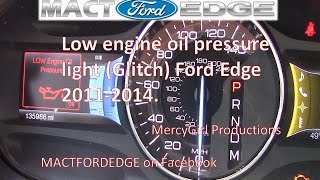
- Oil Pressure Warning on Dash: Your Edge might display a "Low Engine Oil Pressure" message. Often, this is caused by a faulty switch sending bad data, not actual low pressure. 🎬 Watch: See how this sensor glitch looks on the dashboard.
- Visible Oil Leak: The switch itself can fail and leak oil. You might notice oil residue on the sensor or drips on the ground below the engine, near the oil filter. A leak from the switch can eventually lead to low oil levels.
- Check Engine Light: A failing oil pressure switch can trigger a Check Engine Light, often with diagnostic trouble code (DTC) P0520, which indicates a malfunction in the sensor's circuit.
Stop Driving Immediately
Any time you see an oil pressure warning, you should stop the vehicle as soon as it is safe and turn off the engine. Driving with low oil pressure—or even the possibility of it—can cause catastrophic engine failure within minutes. Always check your oil level first. If the level is correct, the problem is likely the switch or a more serious internal engine issue. Do not continue driving until the problem is diagnosed.
Choosing the Right Aftermarket Switch

For the 2007-2011 Ford Edge, the oil pressure switch is a relatively simple and inexpensive part. While the OEM Motorcraft part is always a safe bet, quality aftermarket brands provide a reliable and cost-effective alternative. Here’s a look at your options:
- Motorcraft (OEM): This is the original part your Edge was built with. It's the benchmark for fit and quality. If you want absolute peace of mind, Motorcraft is the choice. The OEM part number is often cross-referenced as 6U5Z-9278-D or SW6357.
- Standard Motor Products (Standard Ignition): A highly respected aftermarket brand known for producing quality electronic components that often meet or exceed OEM specifications. For a part like an oil pressure switch, Standard is a dependable choice that many professional technicians trust.
- True Tech: Generally positioned as a budget-friendly option, True Tech parts can offer significant savings. For a simple switch, this can be a viable option, though long-term durability may not match premium or OEM brands. Reviews for the brand are generally for repair shops, not the parts themselves.
Pro Tip: Check for Leaks First
A common failure mode for this switch is leaking oil through the electrical connector. Before ordering, unplug the connector from your old switch. If you see oil inside the connector, you've found your problem and the switch must be replaced.
Cost of Replacement
Replacing the oil pressure switch is one of the more affordable repairs you can make. The part itself is not expensive, and labor is minimal.
| Item | Estimated Cost |
|---|---|
| New Aftermarket Switch | $20 - $34 |
| New OEM (Motorcraft) Switch | $19 - $33 |
| Shop Labor | $50 - $100 |
| Total Professional Replacement | $70 - $134 |
Frequently Asked Questions

Where is the oil pressure switch located on a 2007-2011 Ford Edge?
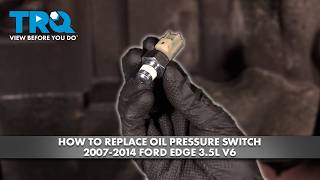
The oil pressure switch is located on the engine block, near the oil filter and AC compressor. It is typically accessed from underneath the vehicle. 🎬 See this walkthrough for locating and replacing the switch. You will see a small sensor with an electrical connector plugged into it, screwed into the engine.
Is this a difficult part to replace myself?
For a DIYer with some experience, this is a relatively easy job. It requires safely lifting the vehicle, locating the switch, unplugging the connector, and using a deep socket (typically 21mm or 13/16") to unscrew the old switch and install the new one. It's often recommended to perform this job during an oil change, as removing the oil filter can provide better access.
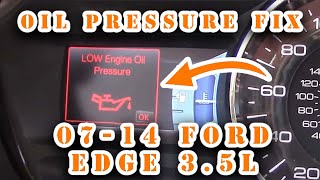
🎬 Watch: A step-by-step guide to fixing the low pressure warning.Are there any recalls for this part?
There are no specific recalls on the oil pressure switch itself for the 2007-2011 Ford Edge. However, other Ford models have had recalls for issues that *cause* a loss of oil pressure, such as failing oil pump belts. These do not apply to the 3.5L V6 in the 2007-2011 Edge but highlight the importance of heeding an oil pressure warning. A Technical Service Bulletin (TSB) was issued for some later model Fords for oil leaks from the sensor threads, but not specifically for this Edge generation.
What happens if I ignore a bad oil pressure switch?
Ignoring it is a gamble. If the switch is faulty and crying wolf, you're dealing with an annoying light. But if the switch fails to alert you during a *real* low-pressure event, you could suffer complete engine failure. Conversely, if the light is on and you assume it's just the switch when the problem is actually low pressure, you will destroy your engine. For the low cost of the part, it's a risk not worth taking.
Helpful Videos
Technical Specifications
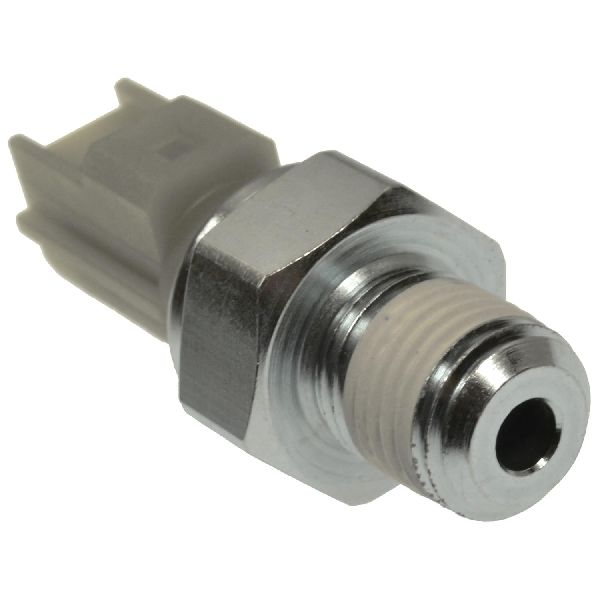
OEM Part Numbers: 6U5Z-9278-D SW6357
This is a simple pressure switch, not a variable sending unit. It is designed to trigger the dashboard warning light when oil pressure drops below a preset threshold. It uses a 1/4" NPT thread.
We Have This Part in Stock



The information in this article is provided for general reference and educational purposes only. Vehicle specifications, procedures, and part compatibility can vary by production date, trim level, and region. Always consult your vehicle's factory service manual and verify part numbers before purchasing or performing repairs. Safety-critical components such as airbags, seat belts, and braking systems should be installed by a qualified professional.
- Ford Edge: