

A Guide to the Mass Air Flow Sensor for the 2007-2011 Ford Edge
Understanding common failures and choosing the right replacement MAF sensor for your Edge's 3.5L V6 engine.
- Lean codes P0171 and P0174 together are a strong indicator of a dirty or failing MAF sensor on your Edge.
- Always try cleaning the sensor with dedicated MAF cleaner before buying a new one; it often solves the problem.
- Replacement is a simple, 15-minute DIY job that only requires basic tools.
- Avoid the cheapest aftermarket sensors, as they can be unreliable; stick with OEM (Motorcraft) or reputable OE-equivalent brands like Hitachi or Delphi for best results.
Is Your Ford Edge Running Rough? It Could Be the MAF Sensor

If your 2007-2011 Ford Edge is experiencing issues like a rough idle, poor acceleration, or bad fuel economy, a faulty Mass Air Flow (MAF) sensor is a common culprit. This sensor measures the air entering the engine, which is vital for performance. When it fails, it can cause a variety of noticeable problems.
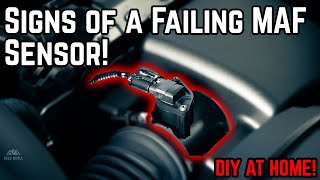
Symptoms of a Failing MAF Sensor
- Check Engine Light: This is often the first sign. The most common codes associated with a failing MAF sensor on this Ford Edge are P0171 and P0174, which indicate the engine is running too lean (too much air, not enough fuel). You may also see codes like P0101, P0102, or P0103, which point directly to the MAF sensor circuit.
- Rough Idle: The engine may shake, sputter, or surge when you're stopped at a light. This happens because the computer can't maintain a stable air-fuel mix at low RPMs.
- Hesitation and Jerking: When you press the gas, the vehicle might hesitate, jerk, or feel sluggish. This is due to the computer receiving incorrect data and failing to provide the right amount of fuel for acceleration.
- Poor Fuel Economy: If the sensor incorrectly tells the computer that more air is entering the engine, the system will inject too much fuel, causing your gas mileage to drop.
- Stalling: In more severe cases, the engine may stall shortly after starting or while idling.
- Black Smoke from Exhaust: This indicates the engine is running rich (too much fuel), which can happen if the MAF sensor fails and sends faulty high-airflow readings.
A Common Ford Problem: Lean Codes P0171 & P0174
For many Ford vehicles of this era, including the Edge, seeing both P0171 and P0174 codes together strongly points to a problem that affects both cylinder banks. The most frequent cause is unmetered air entering the system, often due to a dirty or failing MAF sensor that isn't measuring airflow accurately. Before replacing other parts, inspecting and cleaning the MAF sensor is a wise first step.
Choosing the Right Aftermarket MAF Sensor
While the OEM Motorcraft part is the benchmark, several aftermarket brands offer quality alternatives. However, not all are created equal. Forum discussions with mechanics and owners show that ultra-cheap sensors can be unreliable right out of the box, causing the same problems as the part you're replacing.
- Premium Aftermarket (Recommended): Brands like Hitachi (often the original equipment manufacturer for Ford), Delphi, and NGK (also known as NTK) have a strong reputation for reliability and performance that is close to OEM standards. These are new parts, not remanufactured, and are a solid choice.
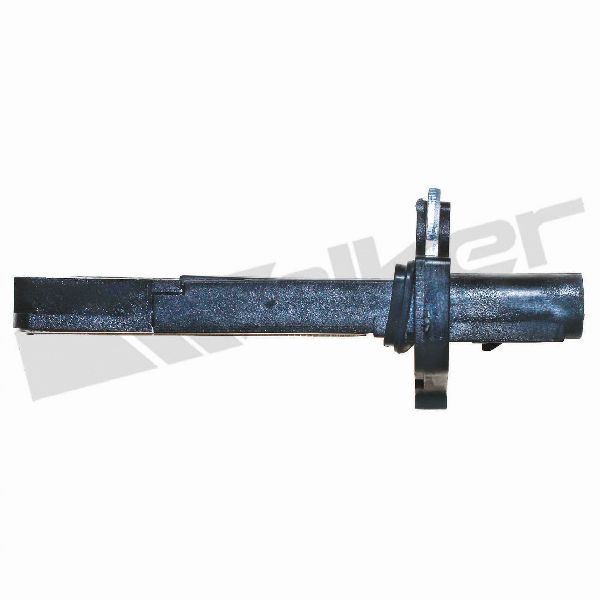
- Standard Aftermarket: Brands such as Standard Ignition (SMP) and Walker Products are generally considered reliable mid-tier options. They offer a good balance of price and quality for a daily driver.
- Economy / Remanufactured (Use with Caution): Brands like Cardone (often remanufactured), Spectra, and various store-brand parts can be inconsistent. While the price is low, some owners report issues with performance and longevity, sometimes requiring multiple replacements to find a good unit.
Pro Tip: Try Cleaning It First!
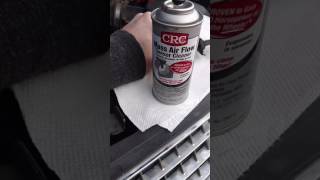
Before you buy a new sensor, try cleaning your current one. Over time, dirt and oil can coat the sensor's delicate wires, causing incorrect readings. Purchase a dedicated MAF sensor cleaner spray from any auto parts store. The process is simple: remove the sensor, spray it liberally according to the can's directions, let it dry completely without touching the wires, and reinstall it. This inexpensive step often resolves performance issues and lean codes.
| Part Type | Estimated Cost |
|---|---|
| New OEM (Motorcraft) | $140 - $230 |
| New Aftermarket | $43 - $168 |
| Remanufactured (Cardone) | $90 - $110 |
| Shop Labor | $50 - $100 |
Frequently Asked Questions

Is it hard to replace the MAF sensor on a 2007-2011 Ford Edge?
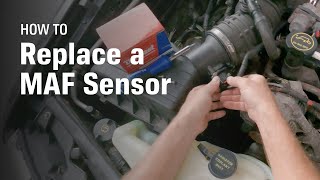
No, it is a very easy job suitable for any DIYer. The sensor is located on the air intake tube right behind the air filter box. It involves disconnecting an electrical connector, removing two screws (often T20 Torx or 8mm bolts), pulling the old sensor out, and installing the new one. The entire process typically takes less than 15 minutes.
Do I need to reset the computer after replacing the MAF sensor?
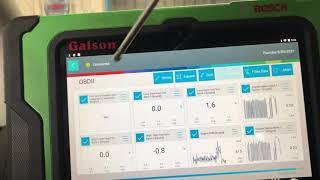
It is a good practice to clear the trouble codes with an OBD-II scanner after installation. Alternatively, you can disconnect the negative battery terminal for about 15 minutes to reset the computer. This allows the PCM to relearn its fuel strategy with data from the new sensor.
My check engine light is still on after replacing the sensor. What's next?
If you've replaced the MAF sensor and cleared the codes but the P0171/P0174 codes return, the issue may be a vacuum leak elsewhere. Check for cracked hoses, a leaking intake manifold gasket, or a faulty PCV valve, as these can also cause a lean condition.
Are there any recalls for the Ford Edge MAF sensor?
Based on searches of the National Highway Traffic Safety Administration (NHTSA) database, there are no specific safety recalls for the Mass Air Flow sensor on the 2007-2011 Ford Edge.
Helpful Videos
Technical Specifications
OEM Part Numbers: 3L3Z-12B579-BA 3L3A-12B579-BA AF10140
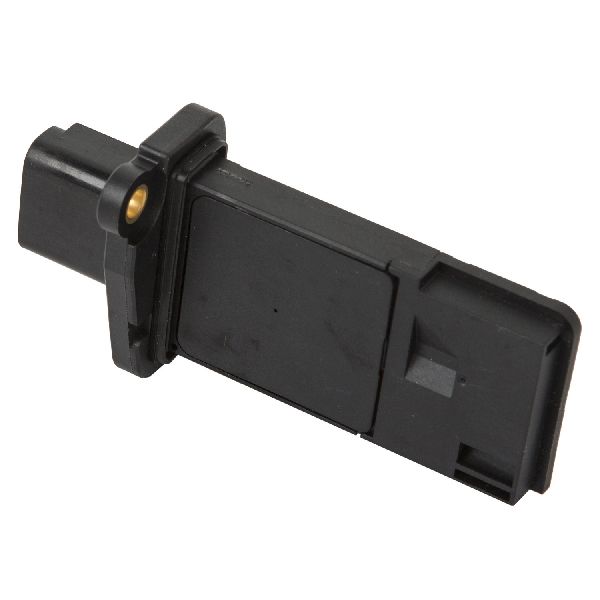
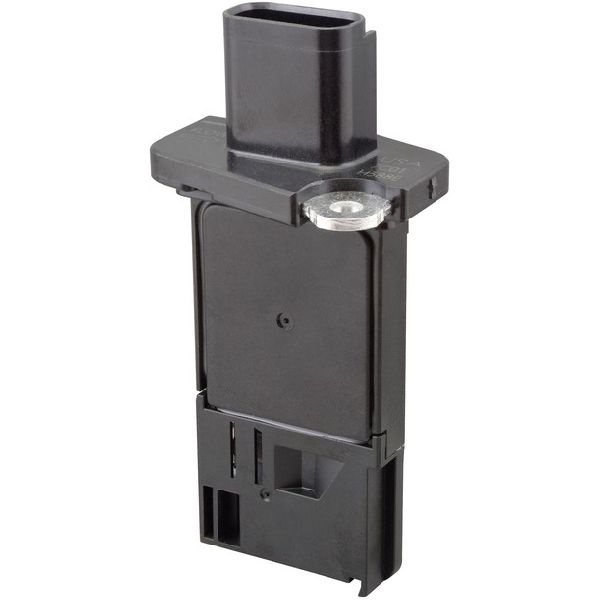
This is a 'hot-wire' type sensor that typically includes the integrated Intake Air Temperature (IAT) sensor. It is usually secured with two T20 Torx screws or 8mm bolts into the air intake duct after the air filter housing.
We Have This Part in Stock



The information in this article is provided for general reference and educational purposes only. Vehicle specifications, procedures, and part compatibility can vary by production date, trim level, and region. Always consult your vehicle's factory service manual and verify part numbers before purchasing or performing repairs. Safety-critical components such as airbags, seat belts, and braking systems should be installed by a qualified professional.
- Ford Edge: