

A Guide to the Automatic Transmission Mount for the 2007-2011 Ford Explorer
If you're hearing a clunk when you shift gears, your transmission mount might be the problem.
- The most common sign of failure is a clunking noise when shifting into Drive or Reverse.
- Aftermarket brands like Anchor, DEA, and Westar are affordable but may increase vibration or have fitment issues compared to OEM.
- Replacement is DIY-friendly for those with a floor jack and stands, typically taking 1-2 hours.
- Ignoring a bad mount can put extra stress on engine mounts and driveshaft components, leading to more costly repairs.
Is Your Explorer's Transmission Mount Failing?
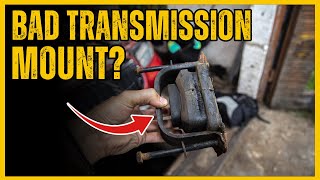
A transmission mount is a wear-and-tear item. The rubber block inside it cracks and weakens over time from constant vibration, heat, and stress. When it fails, you will notice distinct symptoms. 🎬 Watch: 5 common signs of a failing transmission mount. Ignoring them can lead to more stress on your engine mounts and driveshaft components.
Key Failure Symptoms
- Clunking or Banging Noises: The most common symptom is a loud clunk or bang when you shift from Park into Drive or Reverse. You may also hear this noise during hard acceleration or deceleration as the transmission shifts in its cradle.
- Excessive Vibration: You might feel new or increased vibrations through the floor, steering wheel, or seats. This is often most noticeable at idle or when the vehicle is first accelerating.
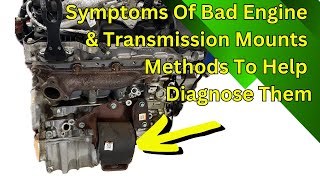
- Drivetrain Movement: In some cases, the movement is so severe you can feel the entire drivetrain lurch or jolt when you put the vehicle into gear. A visual inspection might show the engine and transmission rocking excessively when shifting gears (with the brake applied). 🎬 See how to check for bad engine or transmission mounts.
No Official Recalls or TSBs
As of early 2026, there are no specific recalls or Technical Service Bulletins (TSBs) from Ford or the NHTSA for the automatic transmission mount on the 2007-2011 Ford Explorer. Failure is typically due to age and wear.
Choosing the Right Aftermarket Mount
For a vehicle of this age, an aftermarket mount is a cost-effective choice. However, not all aftermarket parts are created equal. The main difference comes down to the quality and hardness of the rubber used.
OEM vs. Aftermarket Quality
The original Ford (OEM) mount is built with a specific rubber compound designed for the best balance of vibration absorption and durability. Aftermarket brands aim to replicate this, but often at a lower cost.
- Budget Brands (Anchor, DEA, Westar): These brands offer a very affordable replacement. Forum and user reviews are mixed. Some owners report they fit and work without issue, while others note they use a harder rubber, which can transmit more vibration into the cabin. There are also occasional reports of poor fitment, requiring bolt holes to be slightly enlarged to fit. These are a viable budget option, but may not last as long or ride as smoothly as the original part.
- Standard Aftermarket (Pioneer): Brands like Pioneer are sometimes viewed as a step up from the most basic options, with some users reporting their quality and fit are closer to the original part.
Pro Tip: The OEM Trade-Off
If your priority is restoring the original smooth ride and you plan to keep your Explorer for many more years, the OEM mount is the benchmark for quality. For most owners, however, a good aftermarket part provides a perfectly acceptable repair for a fraction of the cost.
Estimated Replacement Costs
The cost to replace the transmission mount can vary based on your location and whether you do the work yourself. The job is straightforward for a mechanic and typically takes about an hour.
| Part or Service | Estimated Cost |
|---|---|
| New OEM Part | $70 - $120 |
| New Aftermarket Part | $26.49 - $150.35 |
| Shop Labor | $75 - $155 |
| Total Professional Replacement (Aftermarket) | $101 - $305 |
Frequently Asked Questions (FAQ)
Can I replace the transmission mount myself?
Yes, this is a DIY-feasible job for someone with the right tools and safety knowledge. You will need a good socket set, a floor jack, and jack stands to safely support the vehicle and the transmission during the swap. The basic process involves supporting the transmission with the floor jack, unbolting the mount from the crossmember and the transmission, and swapping in the new part.
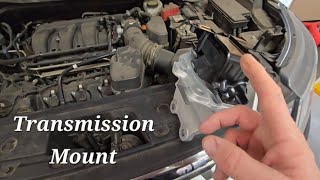
🎬 Watch this step-by-step Ford Explorer transmission mount replacement walkthrough.How many transmission mounts does a 2007-2011 Explorer have?
The 2007-2011 Explorer, being a rear-wheel-drive based platform (RWD/4WD), typically uses one main transmission mount located at the rear of the transmission. It also has two separate engine mounts at the front of the engine.
Will a new aftermarket mount feel different from the old one?
A new mount will almost certainly feel better than a completely failed one, eliminating clunks and major vibrations. However, some budget aftermarket mounts use a harder rubber compound than the original, which might transmit a small amount of new vibration at idle that you didn't have with the original OEM part when it was new.
Is a bad transmission mount the same as a bad engine mount?
They are separate parts but have similar functions and failure symptoms. The transmission mount supports the transmission, while engine mounts support the engine. They work together to hold the powertrain in place. A failure in one often puts extra stress on the others, so it's a good idea to inspect all of them if you're having issues.
Helpful Videos
Technical Specifications
OEM Part Numbers: 8L2Z-6068-B 6L2Z-6068-AA
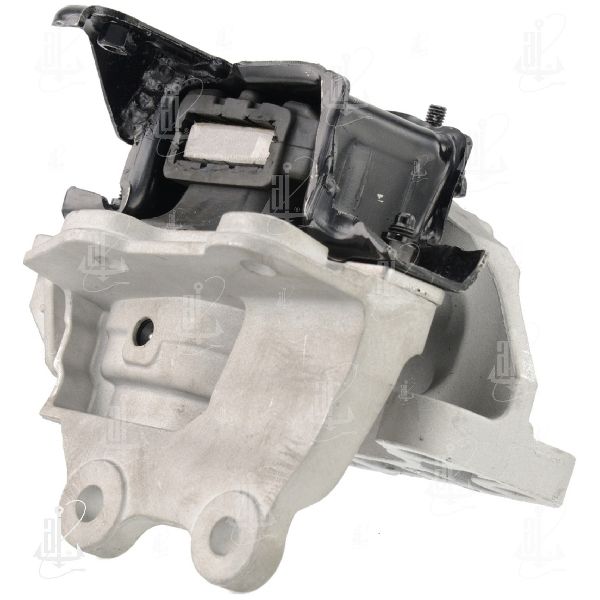
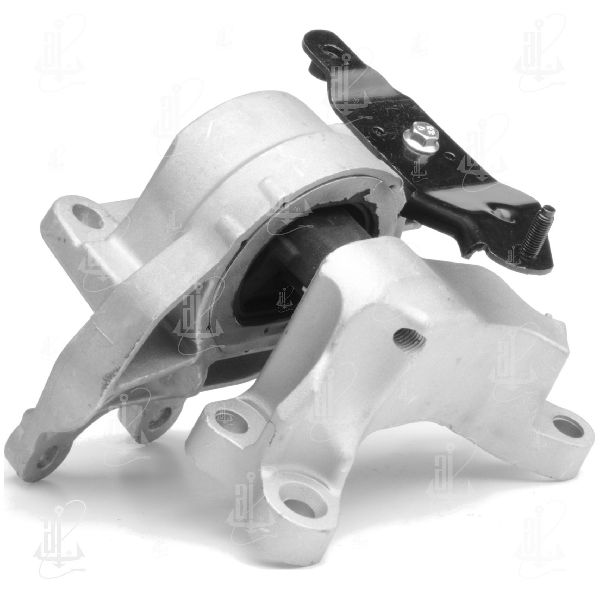
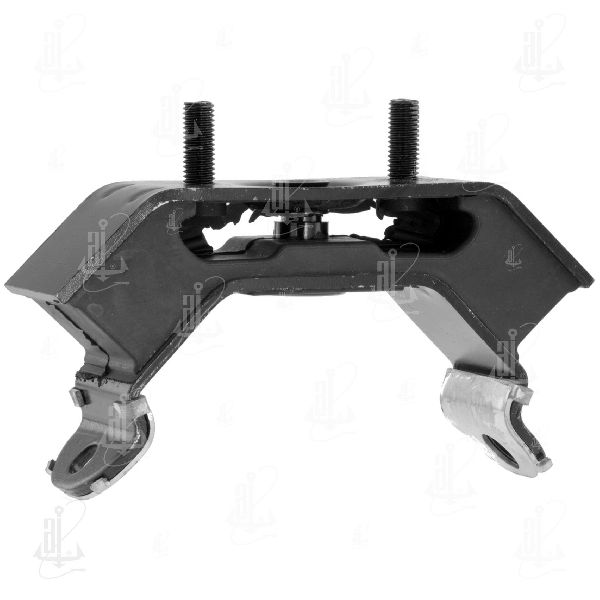
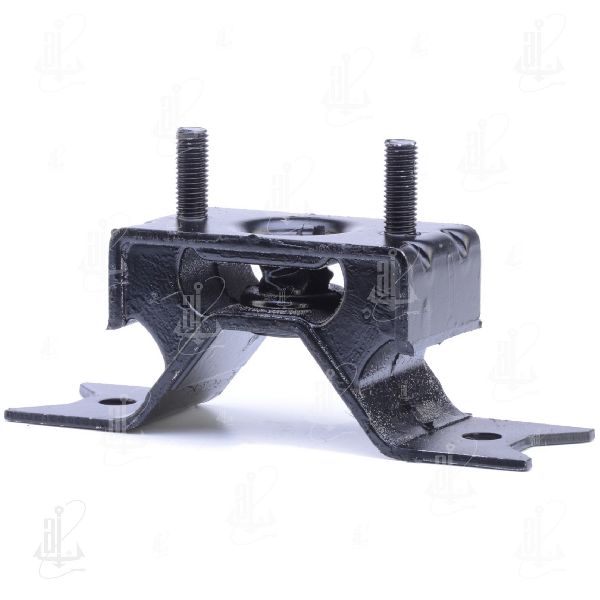
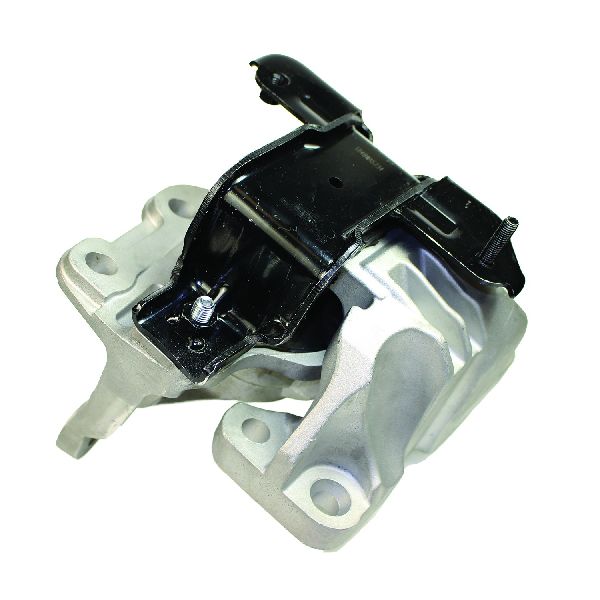
The mount consists of a metal frame that bolts to the transmission and the vehicle's crossmember, with a solid rubber insert to absorb vibration. It is designed for the automatic transmissions used in both 4.0L V6 and 4.6L V8 models of the 2007-2011 Ford Explorer.
We Have This Part in Stock


The information in this article is provided for general reference and educational purposes only. Vehicle specifications, procedures, and part compatibility can vary by production date, trim level, and region. Always consult your vehicle's factory service manual and verify part numbers before purchasing or performing repairs. Safety-critical components such as airbags, seat belts, and braking systems should be installed by a qualified professional.
- Ford Explorer: