

Honda Civic Automatic Transmission Control Solenoid Guide for 2007-2011 Models
If your Civic's transmission is shifting harshly or the 'D' light is flashing, a solenoid could be the culprit.
- A flashing 'D' light on the dashboard is the most common sign of a transmission solenoid problem on a 2007-2011 Civic.
- Diagnose the issue with an OBD-II scanner first; a specific code like P0756 can pinpoint the faulty solenoid.
- Many solenoids are externally mounted, making this a feasible DIY repair for those with basic tools and experience.
- Using a quality aftermarket brand like Standard Ignition can provide a reliable, cost-effective repair compared to OEM prices.
Is Your Civic Shifting Strangely? It Could Be a Solenoid.

A faulty automatic transmission control solenoid is a common problem on the 2007-2011 Honda Civic that can cause a range of shifting issues. These solenoids can fail due to electrical problems, contamination from old transmission fluid, or simple wear and tear over many miles and years of service. Recognizing the symptoms early is key to avoiding a more expensive transmission repair down the road.
Top Symptoms of a Failing Transmission Solenoid

When a solenoid starts to fail, it can't direct transmission fluid correctly. This can make your car's computer confused and its shifts erratic. Look out for these common signs:
- Flashing Green 'D' Light: This is the most common indicator. The 'D' on your dashboard will start blinking to let you know the transmission computer has detected a fault.
- Harsh or Delayed Shifting: You may feel a noticeable jerk, hesitation, or a bang when the transmission shifts gears.
- Stuck in Gear: The transmission might get stuck in second or third gear, a safety feature known as "limp mode." This is designed to protect the transmission from further damage while still allowing you to drive slowly to a repair shop.
- Check Engine Light: A failing solenoid will often trigger the Check Engine Light and store a diagnostic trouble code (DTC) in the computer's memory. Common codes for this issue include P0753, P0756, P0962, and P0966. 🎬 See this video to locate shift solenoids A, B, C, and D.
Don't Ignore a Flashing 'D' Light
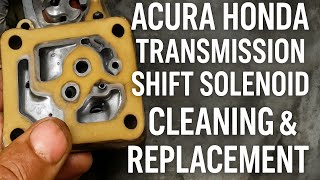
🎬 Watch: How to clean or replace solenoids to stop the blinking D light.A flashing 'D' indicator is your Civic's specific warning for a transmission problem. Continuing to drive with this light on can lead to severe internal transmission damage. Get the vehicle's codes read with an OBD-II scanner as soon as possible to diagnose the problem.
Choosing the Right Aftermarket Solenoid: OEM vs. Standard Ignition

When it's time to replace a solenoid, you have a choice between a Genuine Honda (OEM) part and an aftermarket option. For this component, the choice often comes down to cost and availability.
- Genuine Honda (OEM): OEM parts are identical to the ones your Civic was built with. They are a guaranteed fit and offer known quality and reliability. However, they are typically the most expensive option.
- Standard Ignition (Aftermarket): Standard Ignition (also sold as Standard Motor Products or SMP) is a well-regarded aftermarket brand that produces direct-fit replacement parts. Their solenoids are designed to match the original's performance, often incorporating quality materials like copper windings and stainless steel filter screens to ensure durability. For a vehicle of this age, a quality aftermarket part from a brand like Standard Ignition offers a reliable repair without the high cost of an OEM part.
Cost of Replacing a 2007-2011 Civic Transmission Solenoid

The total cost depends on whether you do the work yourself or use a repair shop. Many solenoids on this Civic are externally mounted, making them accessible for a confident DIYer.
| Part/Service | Estimated Cost |
|---|---|
| New OEM Solenoid | $175 - $300 |
| New Aftermarket Solenoid (Standard Ignition) | $169.43 - $630.84 |
| Shop Labor | $150 - $350 |
| Total (Shop Repair, Aftermarket Part) | $319 - $981 |
Note: Prices are estimates and can vary based on your location, the specific solenoid needed, and the repair shop's labor rates. The aftermarket price range reflects various available products, from single solenoids to more complex assemblies.
Check for TSBs and Known Issues
While there are no specific recalls for this part on the 2007-2011 Civic, Honda did issue a Technical Service Bulletin (TSB #SB-08-003) warning that repeatedly shifting between Reverse and Drive (like when stuck in snow) can cause transmission damage. This suggests the transmission is sensitive to this kind of stress. Always change your transmission fluid at recommended intervals to help prolong the life of the solenoids and internal components.
Frequently Asked Questions (FAQ)
Can I replace just one bad solenoid?
Yes, you can replace only the specific solenoid that has failed. A scanner can tell you which circuit has a problem (e.g., code P0756 points to shift solenoid 'B'). However, if the car has high mileage and the labor to access the part is significant, some mechanics may recommend replacing them as a set as a preventative measure.
Is replacing a transmission solenoid a DIY job?
For the 2007-2011 Civic, many of the solenoids are mounted on the outside of the transmission case and are accessible by removing the air filter box or the driver-side wheel and splash shield. This makes it a very feasible job for a DIY mechanic with basic tools. The job typically takes 1-3 hours.
🎬 Learn how to test a transmission solenoid on your 2008 Civic.Will a new solenoid guarantee my transmission is fixed?
Not always. While a faulty solenoid is a very common cause of these symptoms, the problem could also be caused by old and dirty transmission fluid, bad wiring, a failing Transmission Control Module (TCM), or internal mechanical wear. However, if you have a specific solenoid trouble code, replacing the part is the most logical and often successful repair.
Do I need to drain the transmission fluid to replace a solenoid?
It depends on the solenoid's location. For the externally mounted solenoids on the Civic, you will only lose a small amount of fluid when you remove the part. It's a good idea to have some Honda DW-1 or equivalent ATF on hand to top it off. If a solenoid is inside the transmission pan (less common for this model's typical failures), the fluid would need to be drained.
Helpful Videos


Technical Specifications
OEM Part Numbers: 28260-RPC-004 28250-RPC-003
This generation Civic uses several individual solenoids, often sold as single units or as a dual-linear solenoid assembly. The specific part number depends on which solenoid has failed (e.g., Shift Solenoid A, B, C, or pressure control).
We Have This Part in Stock


The information in this article is provided for general reference and educational purposes only. Vehicle specifications, procedures, and part compatibility can vary by production date, trim level, and region. Always consult your vehicle's factory service manual and verify part numbers before purchasing or performing repairs. Safety-critical components such as airbags, seat belts, and braking systems should be installed by a qualified professional.
- Honda Civic:
- 🎬 Helpful Videos
- 🛍️ Shop This Part
- Is Your Civic Shifting Strangely? It Could Be a Solenoid.
- Top Symptoms of a Failing Transmission Solenoid
- Don't Ignore a Flashing 'D' Light
- Choosing the Right Aftermarket Solenoid: OEM vs. Standard Ignition
- Cost of Replacing a 2007-2011 Civic Transmission Solenoid
- Check for TSBs and Known Issues
- Frequently Asked Questions (FAQ)
- 🎟️ Get 5% Off