

Honda Civic Power Steering Pump Replacement Guide (2007-2011)
Understand the common failure symptoms and replacement options for your Civic's power steering pump.
- Whining noises are a primary symptom, often caused by a cheap O-ring on the inlet hose allowing air into the system.
- Always use genuine Honda Power Steering Fluid; using incorrect fluid can damage the new pump.
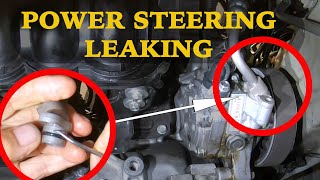
- A leaking power steering hose can cause the pump to fail from fluid starvation; inspect all hoses before replacing the pump.
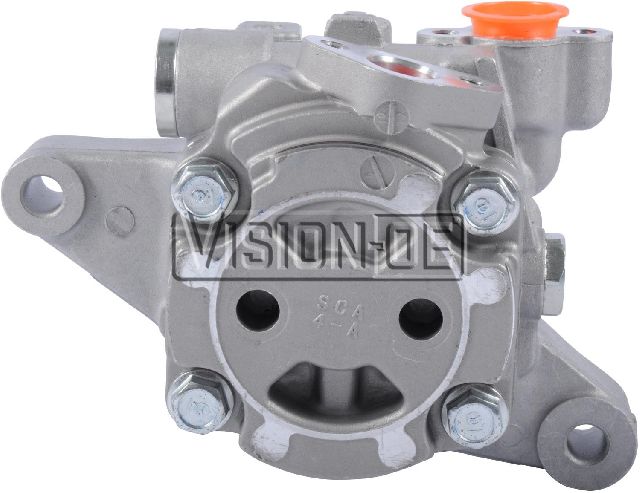
- Aftermarket pumps are a cost-effective option, but flushing the system thoroughly is critical for the new pump's longevity.
Is Your Power Steering Pump Failing?

A failing power steering pump on a 2007-2011 Honda Civic will give you clear warning signs. Ignoring them can make your car difficult and unsafe to drive. The most common issue is a loss of power assist, making the steering wheel very hard to turn. You may also hear a distinct whining or groaning noise that gets louder when you turn the wheel or as the engine RPMs increase. Check for reddish-brown fluid puddles under the front of your car, which indicates a leak from the pump or its hoses.
Known Issues: Check Your Hoses First
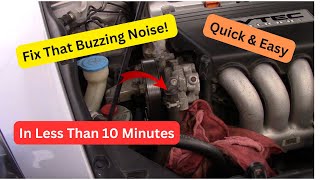
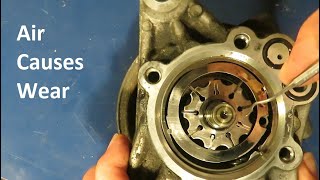
Many power steering pump failures on this generation of Civic are caused by leaking hoses. A common issue is a faulty O-ring on the pump's inlet joint 🎬 Watch: Step-by-step guide to fixing the common O-ring leak and whine., which allows air to enter the system. This creates bubbles in the fluid, causing a whining noise (especially when cold) and starving the pump of the lubrication it needs to function, leading to premature failure. Before replacing the pump, always inspect the high-pressure and low-pressure hoses for leaks, cracks, or hardened rubber. Replacing a simple O-ring or hose could save you from buying a whole new pump.
Choosing the Right Aftermarket Pump

When your original pump fails, you have a few options. An OEM pump from Honda offers guaranteed fit and quality but comes at a high price. New aftermarket pumps are a popular, cost-effective alternative. They are designed to meet or exceed original specifications and are a direct fit. Brands like BBB Industries and other "Replacement" tier parts offer a balance of affordability and function.
- BBB Industries: Often sold as remanufactured parts, they are rebuilt to OE specifications with new seals and O-rings and are fully tested. User reviews are mixed, with some having good experiences and others reporting early failures, highlighting the variability that can come with remanufactured parts.
- Replacement Brand: This category typically refers to new, budget-friendly aftermarket parts. They offer a significant cost saving over OEM and are a viable option for owners looking for a functional repair without the high dealer price tag. Quality can vary, but they often come with a warranty.
Pro Tip: When replacing the pump, it is critical to flush the entire power steering system and refill it with new, Honda-specific power steering fluid. Failure to do so can cause the new pump to fail quickly due to contamination from the old system.
Power Steering Pump Replacement Cost (2007-2011 Honda Civic)

| Part/Service | Estimated Cost |
|---|---|
| New OEM Pump | $600 - $900 |
| New Aftermarket Pump | $154 - $239 |
| Shop Labor | $242 - $356 |
| Total Professional Replacement (Aftermarket) | $396 - $595 |
Frequently Asked Questions

Is there a recall on the 2007-2011 Civic power steering pump?
No, there are no specific recalls for the hydraulic power steering pump on the 2007-2011 Honda Civic. However, there was a Technical Service Bulletin (TSB 07-086) related to a whining noise caused by a faulty O-ring on the pump's inlet hose, which could lead to pump damage if not addressed. Later Civic models with Electric Power Steering (EPS) have had recalls, but this does not apply to the hydraulic system in the 2007-2011 models.
Can I replace the power steering pump myself?
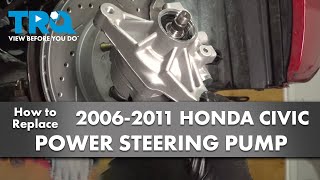
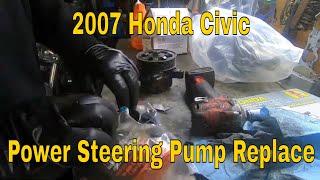
Yes, this is a feasible DIY project for someone with moderate mechanical skill and the right tools. The process involves draining the fluid, removing the serpentine belt, unbolting the pump, and disconnecting the hoses. 🎬 See this walkthrough for a complete power steering pump replacement. Access can be tight. It is critical to properly bleed the air out of the system after installation to avoid damaging the new pump.
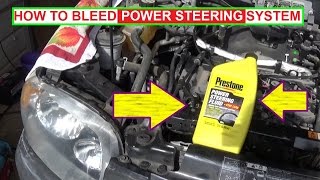
🎬 Watch: Best practices for bleeding air out of your Honda's steering.What fluid should I use for my Civic's power steering?
You must use fluid that is specifically designated for Honda and Acura vehicles. Using generic power steering fluid or transmission fluid can damage the seals and the pump. Always check your owner's manual, but genuine Honda Power Steering Fluid is the recommended choice.
Will a bad power steering pump make the car undrivable?
While the car will still technically run and drive, you will lose power steering assist. This will make the steering wheel extremely difficult to turn, especially at low speeds, which is a significant safety hazard. It is not recommended to drive the vehicle for an extended period with a failed pump.
Helpful Videos

Technical Specifications
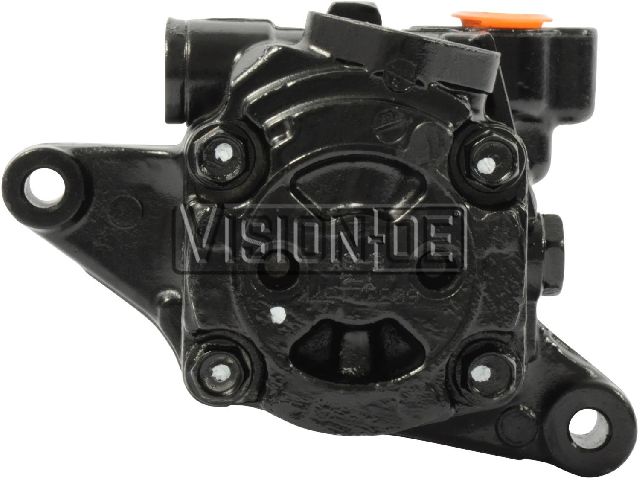
OEM Part Numbers: 56110-RNA-315 56110-RNA-305 56110-RNA-A02
Hydraulic pump, belt-driven. Requires Honda/Acura specific power steering fluid.
We Have This Part in Stock

The information in this article is provided for general reference and educational purposes only. Vehicle specifications, procedures, and part compatibility can vary by production date, trim level, and region. Always consult your vehicle's factory service manual and verify part numbers before purchasing or performing repairs. Safety-critical components such as airbags, seat belts, and braking systems should be installed by a qualified professional.
- Honda Civic: