

Toyota Camry Brake Light Switch Guide for 2007-2011 Models
Everything you need to know about diagnosing and replacing the brake light switch on your 2007-2011 Toyota Camry.
- A faulty brake light switch is a critical safety issue and should be replaced immediately.
- Symptoms are varied and include brake light failure, inability to shift from park, and cruise control problems.
- A recall was issued for some 2009 models for this exact issue, indicating a known problem for this generation.
- Replacement is simple, inexpensive, and can be done by most DIYers in under an hour with basic tools.
Is Your Camry's Brake Light Switch Failing?

A faulty brake light switch on a 2007-2011 Camry can cause several distinct symptoms. Because the switch is tied into multiple vehicle systems, you might notice problems that don't seem related to the brake lights at first. Being aware of these signs can save you from a misdiagnosis.
Common Failure Symptoms:
- Brake Lights Don't Work: The most obvious sign is when your brake lights fail to illuminate when you press the brake pedal. This is a major safety risk.
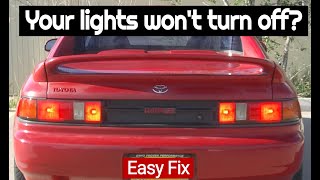
- Brake Lights Stay On: The switch can fail in the 'on' position, leaving your brake lights illuminated constantly, which can drain your battery. This can also be caused by a small, brittle plastic pad on the pedal arm that breaks off.
- Can't Shift Out of Park: Your Camry has a shift interlock that requires the brake pedal to be pressed before you can move the shifter. A bad switch won't send the signal to release the interlock.
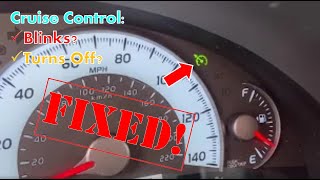
- Cruise Control Issues: The cruise control may not set, or it might turn off by itself while you're driving. A flashing cruise control light can also indicate a problem with the switch circuit. 🎬 See how a faulty switch causes cruise control blinking issues.
- Warning Lights on Dash: A failing brake light switch can sometimes trigger the ABS or Vehicle Stability Control (VSC) warning lights.
- Car Won't Start (Push-Button Ignition): If your Camry has a push-to-start system, it requires a signal from the brake light switch to start the engine. If the switch is bad, the car won't start.
Known Issue: 2009 Camry Stop Lamp Switch Recall
Toyota issued a recall for some 2009 Camry models due to an issue where silicone grease could contaminate the stop lamp switch during manufacturing. This could cause increased electrical resistance, leading to symptoms like the car not starting, being unable to shift from park, or the brake lights not working. While the recall was specific to the 2009 model year from a certain plant, it highlights a known potential weakness for this part in this generation.
Choosing the Right Aftermarket Brake Light Switch

When replacing the brake light switch, you don't have to buy from the dealer. Aftermarket parts offer a wide range of quality and price points. For a critical safety component like this, it's wise to choose a reputable brand.
- Premium Aftermarket (e.g., Beck Arnley, Standard Ignition): These brands have a strong reputation for quality and engineering that meets or exceeds original equipment (OE) specifications. Beck Arnley is known for sometimes repackaging the actual OE part without the dealer markup. These are a reliable choice for peace of mind.
- Standard Aftermarket (e.g., Rostra, Holstein, Facet): These brands offer a good balance of quality and value. Rostra highlights its OE and aftermarket production experience, while Holstein emphasizes quality materials. They are solid options for a daily driver.
- Economy Brands (e.g., Replacement, True Tech): These are typically the most affordable options. While they will get the job done, they may not have the same long-term durability or rigorous quality control as more established brands.
Expected Replacement Costs
The cost to replace a brake light switch is very reasonable, especially if you do it yourself. The part itself is inexpensive, and labor is minimal.
| Part/Service | Estimated Cost |
|---|---|
| New OEM Part | $45 - $90 |
| New Aftermarket Part | $20 - $72 |
| Shop Labor | $60 - $120 |
| Total Professional Replacement | $80 - $210 |
Frequently Asked Questions (FAQ)

Can I drive my Camry with a bad brake light switch?
No. If your brake lights are not working, it is illegal and extremely unsafe to drive. You risk being rear-ended. If the car is stuck in park or won't start, you won't be able to drive anyway. This repair should be done immediately.
Can I replace the brake light switch myself?
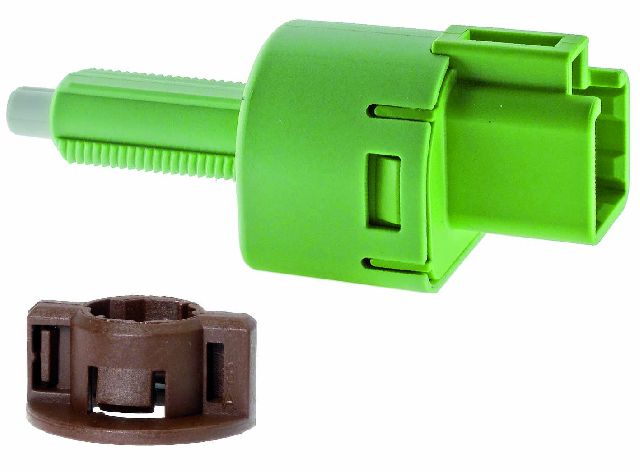
Yes, this is a very DIY-friendly job. The switch is located above the brake pedal. The main challenge is the uncomfortable position required to work under the dashboard. The process involves removing a small trim panel, unplugging the electrical connector, and twisting the switch to remove it. No special tools are required.
🎬 Watch this step-by-step guide to replacing the switch yourself.Why are my brake lights stuck on?
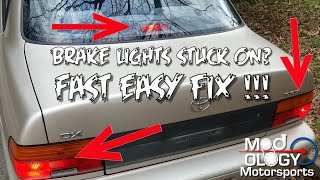
This usually happens for one of two reasons. The switch itself has failed internally, or a small plastic/rubber stopper on the brake pedal arm has broken and fallen out. Without the stopper, the switch's plunger remains extended as if the pedal were pressed. You can often find the broken plastic pieces on the driver's side floor mat.
🎬 Watch this quick fix for broken brake pedal stoppers.Does the new switch need to be adjusted?
Yes, proper adjustment is key. When you install the new switch, you need to make sure its plunger is depressed correctly when the brake pedal is released (lights off) and that it activates as soon as you begin to press the pedal (lights on). Most switches for this Camry install with a simple twist-to-lock motion that sets the depth automatically, but you should always confirm the brake lights work correctly before driving.
Helpful Videos


Technical Specifications
OEM Part Numbers: 84340-09070 84340-69075 84340-19026 84340-06010
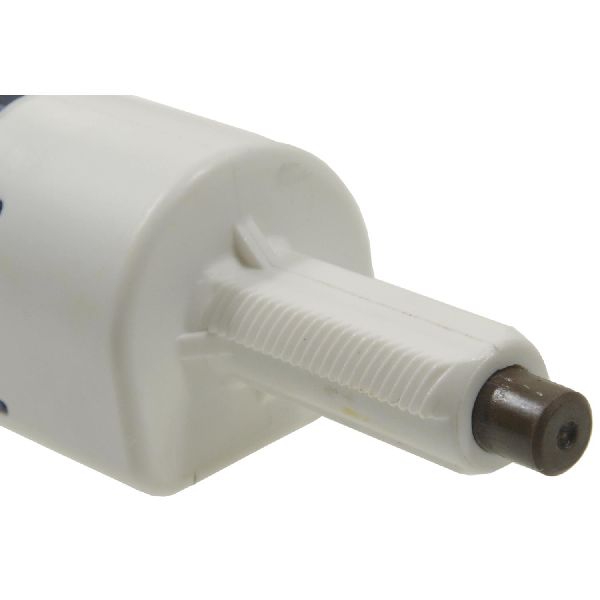
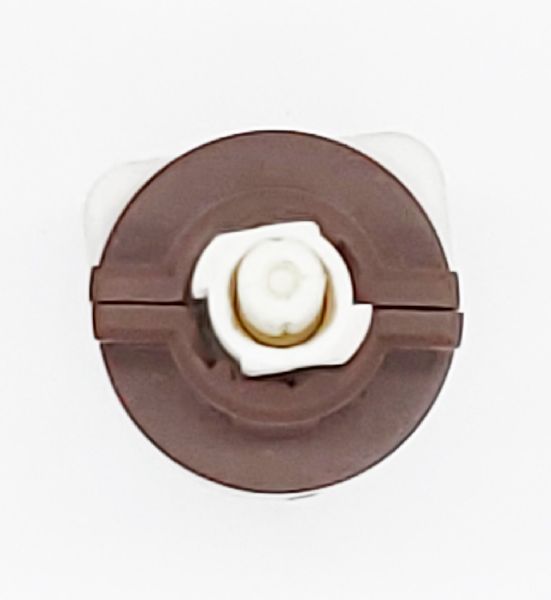
Located on the brake pedal bracket. Typically features a 4-pin rectangular connector and a self-adjusting plunger.
We Have This Part in Stock


The information in this article is provided for general reference and educational purposes only. Vehicle specifications, procedures, and part compatibility can vary by production date, trim level, and region. Always consult your vehicle's factory service manual and verify part numbers before purchasing or performing repairs. Safety-critical components such as airbags, seat belts, and braking systems should be installed by a qualified professional.
- Toyota Camry: