

Volkswagen Passat Intercooler Hose Guide for 2007-2011 Models
Losing boost on your Passat? Your intercooler hose is a likely suspect—here's what you need to know.
- A sudden loss of power accompanied by a hissing sound is the classic sign of a failed intercooler hose.
- The P0299 'Underboost' code is the most common fault code associated with a split intercooler hose.
- High-quality aftermarket hoses (especially silicone) can be more durable than the original OEM parts for this vehicle.
- Always inspect or replace hose clamps when changing the hose, as weak clamps can also cause leaks.
Is Your Passat Suddenly Sluggish? Check the Hoses.
If your Passat feels like it's lost a significant amount of power, especially when you expect the turbo to kick in, a split or leaking intercooler hose is a very common cause. These hoses handle hot, pressurized air and are exposed to oil vapor from the engine's crankcase ventilation system. Over time, the rubber can degrade, soften, crack, or split, causing a boost leak.
What is a Boost Leak?
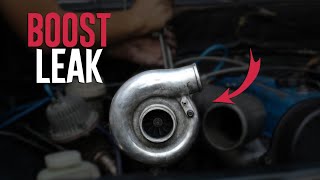
A boost leak is any unintended opening in the pressurized intake tract after the turbocharger. When a hose splits, the pressurized air (boost) escapes instead of going into the engine. This leads to a loss of power, poor fuel economy, and can trigger a Check Engine Light.
Symptoms of a Failing Intercooler Hose
A bad intercooler hose will make itself known. Here are the most common signs:
- Significant Loss of Power: The car will feel much slower, almost like the turbo isn't working at all.
- Check Engine Light: A common code is P0299 (Turbo/Supercharger Underboost), which directly points to a lack of boost pressure.
- Loud Hissing or "Whooshing" Sound: 🎬 See a demonstration of common boost leak symptoms and sounds. When you accelerate, you may hear a loud noise of air escaping from the engine bay.
- Black Smoke from Exhaust: A large boost leak can cause the engine to run rich (too much fuel, not enough air), resulting in black smoke.
- Poor Fuel Economy: Your engine has to work harder to produce power, burning more fuel in the process.
Choosing the Right Aftermarket Hose
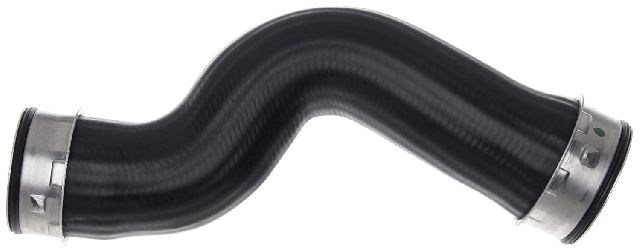
For the 2007-2011 Passat, the original equipment (OEM) hoses are known to fail. The plastic and rubber components degrade over time. Aftermarket parts offer a range of quality, from basic replacements to upgrades.
OEM vs. Aftermarket Quality:
For this part, a high-quality aftermarket hose is often as good as, or even better than, the original. The OEM quick-connect fittings can wear out, and the rubber can split. Many aftermarket brands use multi-layer silicone and stronger reinforcement materials that can better withstand heat and pressure.
Brand Tiers for Your Passat:
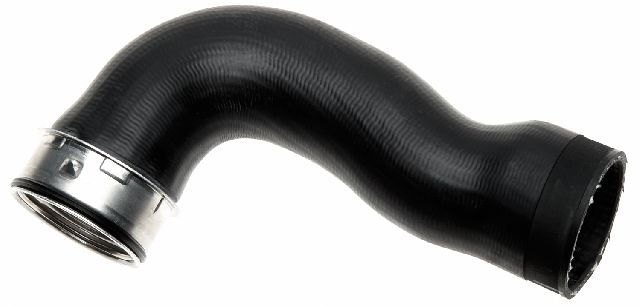
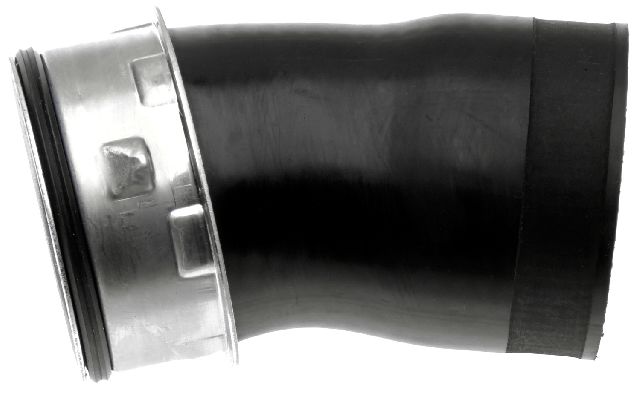
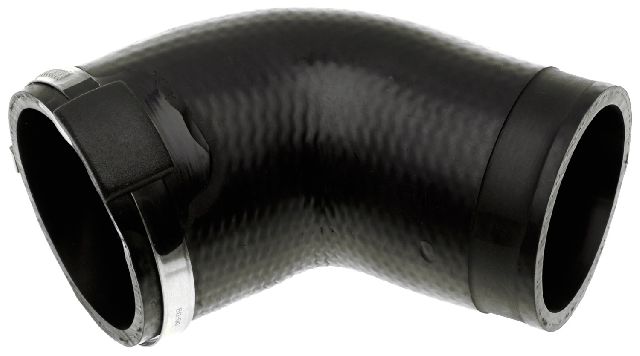
- Premium Aftermarket (e.g., Gates): Gates is a well-regarded brand for hoses and belts. Their intercooler hoses often feature multi-layer construction and materials designed to resist oil and high temperatures, making them a durable choice.
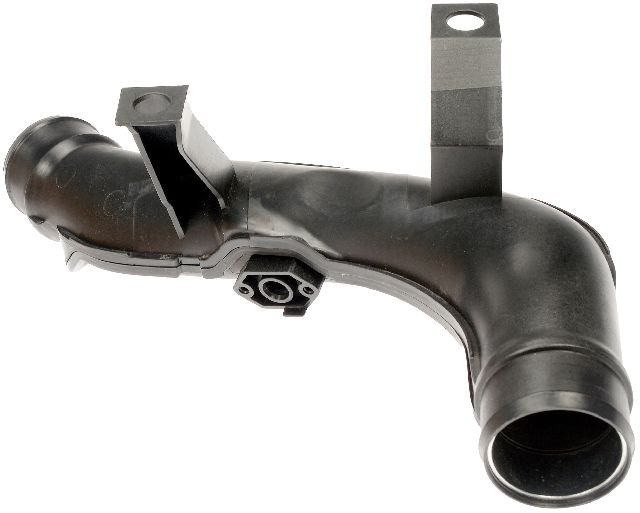
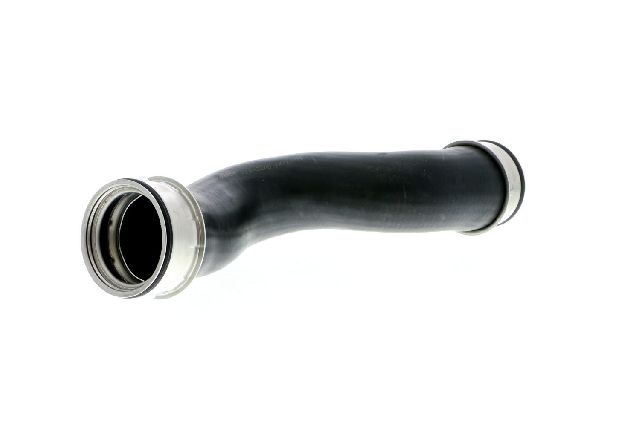
- Standard Aftermarket (e.g., Dorman, Vaico): These brands provide a direct replacement that meets original specifications. They are a cost-effective solution to get your car back on the road. While generally reliable, some users in forums report mixed experiences with the longevity of budget brands compared to premium options.
Pro Tip: When replacing the hose, it's a good idea to also get new clamps if they are not included. The original spring-style clamps can weaken over time. Also, inspect the plastic or metal connectors on the hose ends; corrosion or wear on these surfaces can prevent a good seal.
Known Issues, Recalls, and TSBs
While there are no direct recalls for the intercooler hose itself on the 2007-2011 Passat 2.0T gas models, a recall for 2012-2014 TDI diesel models (NHTSA 17V-309) noted that a failing upper boost hose could cause excessive soot and lead to other problems. This highlights how critical hose integrity is to the overall engine system. The most common issue reported by owners in forums is simply age-related failure, leading to splits and the P0299 underboost code.
Frequently Asked Questions (FAQ)
Can I replace the intercooler hose myself?
Yes, this is a DIY-friendly job for most home mechanics. Access usually requires removing the engine splash shield from underneath the car. The hoses are typically held on by spring clamps or Torx screws. The most difficult part is often reaching the clamp on the turbocharger side.
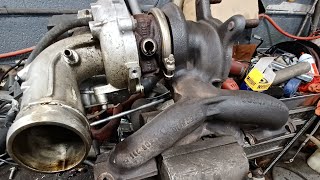
🎬 Watch: Pro tips for working around the 2.0T turbocharger.My mechanic found oil inside the old hose. Is my turbo bad?
A light coating of oil inside the intercooler piping is normal. The engine's crankcase ventilation system (PCV) routes oil vapors back into the intake, and this oil can collect in the hoses and intercooler over time. However, a large amount of liquid oil could indicate a more serious issue with the turbocharger seals.
What is a P0299 code and is it always the hose?
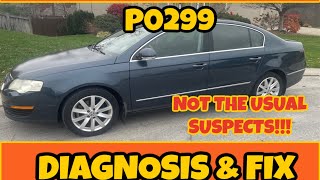
P0299 means the engine control module has detected a turbo underboost condition. A split intercooler hose is the most common cause. However, it can also be caused by a faulty diverter valve, a bad N75 boost control solenoid, a failing boost pressure sensor, or a worn-out turbocharger wastegate. Always start by inspecting the hoses, as they are the easiest and most common failure point.
🎬 Watch: How to diagnose and fix a P0299 underboost code.Should I buy a silicone hose instead of a rubber one?
Silicone hoses are generally considered an upgrade. They can handle higher temperatures and are more resistant to oil and fuel vapors than standard rubber. For a tuned or high-mileage Passat, a quality multi-ply silicone hose can be a worthwhile investment for long-term durability.
Helpful Videos
Technical Specifications
OEM Part Numbers: 1K0145838N 1K0145838C
This guide applies to the charge air hoses connecting the turbocharger, intercooler, and intake manifold for the 2.0T turbocharged gasoline engine found in the 2007-2011 (B6) Volkswagen Passat. Hoses are typically made of reinforced rubber or silicone.
We Have This Part in Stock

The information in this article is provided for general reference and educational purposes only. Vehicle specifications, procedures, and part compatibility can vary by production date, trim level, and region. Always consult your vehicle's factory service manual and verify part numbers before purchasing or performing repairs. Safety-critical components such as airbags, seat belts, and braking systems should be installed by a qualified professional.
- Volkswagen Passat: