

Audi S6 Low-Pressure Fuel Sensor Guide (2007-2012)
Solve stalling, limp mode, and check engine lights on your V10 S6 by understanding and replacing the right fuel pressure sensor.
- This guide is for the low-pressure sensor (G410), which is located under the intake manifold and is the common failure point.
- A known issue documented in Audi TSB #2015106/9 describes this sensor failing internally from fuel contamination.
- Replacement is labor-intensive due to the need to remove the intake manifold, so choosing a quality part is recommended.
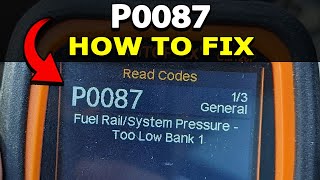
- The most common trouble code associated with this failure is P0087 (Fuel Rail/System Pressure - Too Low).
Is This the Right Sensor? High-Pressure vs. Low-Pressure
The 5.2L V10 FSI engine in your S6 has both a low-pressure fuel sensor (G410) and a high-pressure fuel sensor. This article is for the low-pressure sensor (G410). It is the most common one to fail and typically triggers a P0087 code along with other low-pressure system faults. The high-pressure sensor is located on the metal fuel rail on top of the engine, while this low-pressure sensor is located underneath the intake manifold.
Common Failure Symptoms
When the low-pressure fuel sensor begins to fail, it sends incorrect data to the engine's computer. This can cause a variety of noticeable problems:
- Check Engine Light: This is often the first sign. You will likely find codes like P0087 (Fuel Rail/System Pressure - Too Low) stored in the system. 🎬 Watch: Expert advice on diagnosing the P0087 engine code
- Limp Mode and Power Loss: The car may suddenly lose power and the EPC (Electronic Power Control) light may come on. The engine does this to protect itself from damage.
- Stalling or Rough Idle: The engine may stall when coming to a stop or run erratically at idle because it isn't receiving a consistent fuel supply.
- Hard Starting: The engine may take longer than usual to start because the system can't confirm there is enough initial fuel pressure.
Known Issue: Technical Service Bulletin (TSB 2015106/9)
Audi released a Technical Service Bulletin (TSB) for a known issue with the low-pressure fuel sensor (G410). The bulletin explains that fuel can leak inside the sensor itself, causing it to send false signals. This is a common reason for failure on the S6 and related V10 models. The only solution is to replace the sensor.
Choosing the Right Aftermarket Fuel Pressure Sensor
Since the OEM sensor has a known fault, a quality aftermarket replacement is a smart choice. Here’s a breakdown of the available brands, from highest quality to most budget-friendly.
- OEM-Equivalent (Bosch): Bosch is a primary OEM supplier for Audi. Choosing a Bosch sensor generally means you are getting the same quality as the original part, often with updated designs, without the dealership price tag.
- Premium Aftermarket (Standard Ignition, Vemo): Brands like Standard Motor Products (SMP) and Vemo specialize in vehicle electronics and are well-regarded in the industry. They design parts to meet or exceed OEM specifications and are a reliable choice for this repair.
- Value Aftermarket (URO Parts, Dorman): URO Parts and Dorman offer more affordable solutions. They are a good option if budget is the main concern. While many users have success with these brands for various components, some mechanics prefer to use OEM or premium brands for critical electronic sensors.
- Budget/Store Brands (Replacement): This tier represents the most basic, low-cost option available. It can get the job done, but longevity and precise calibration may not match higher-priced alternatives.
Pro Tip: Installation Requires Intake Manifold Removal
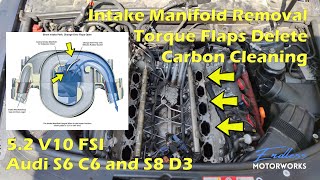
Replacing the G410 low-pressure sensor on the S6 V10 is more involved than on other cars. The sensor is located underneath the large intake manifold, which must be removed to access it. This increases labor time and cost significantly. Because of the effort involved, it is wise to invest in a quality sensor to avoid having to do the job twice.
🎬 See this detailed guide on removing the V10 intake manifoldCost of Replacing the Fuel Pressure Sensor
| Part Type | Estimated Cost |
|---|---|
| New OEM (Dealer) | $100 - $180 |
| New Aftermarket | $45 - $95 |
| Shop Labor | $300 - $600 |
Note: Labor costs are an estimate and can vary based on shop rates and location. The high labor cost is due to the need to remove the intake manifold.
Frequently Asked Questions (FAQ)
Was there a recall for the Audi S6 fuel sensor?
There was a recall for a fuel sensor issue on the 2020-2021 Audi S6, but it does not apply to the 2007-2012 models. That recall was for the fuel *level* sender in the tank causing an incorrect gas gauge reading, not the fuel *pressure* sensor.
Can I replace the low-pressure fuel sensor myself?
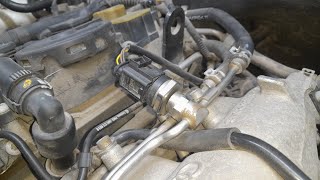
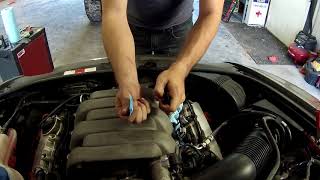
This is a challenging DIY job. Because the intake manifold must be removed to access the sensor, it is recommended for experienced mechanics only. 🎬 Watch: A walkthrough of the low pressure fuel sensor replacement If you are not comfortable with a job of that complexity, it is best to have it done by a professional shop.
What is the difference between the P0087 and P0088 codes?
P0087 means fuel pressure is too low, which is the most common code for a failing low-pressure sensor. P0088 means fuel pressure is too high. While less common for this specific sensor failure, erratic readings could potentially trigger it.
Do I need to do anything after replacing the sensor?
Yes. After the new sensor is installed, the diagnostic trouble codes (DTCs) must be cleared from the engine computer using an OBD-II scan tool. The engine may also need to run for a few minutes to relearn its fuel trims.
Helpful Videos

Technical Specifications
OEM Part Numbers: 06E906051K 06E906051E 06E906051A
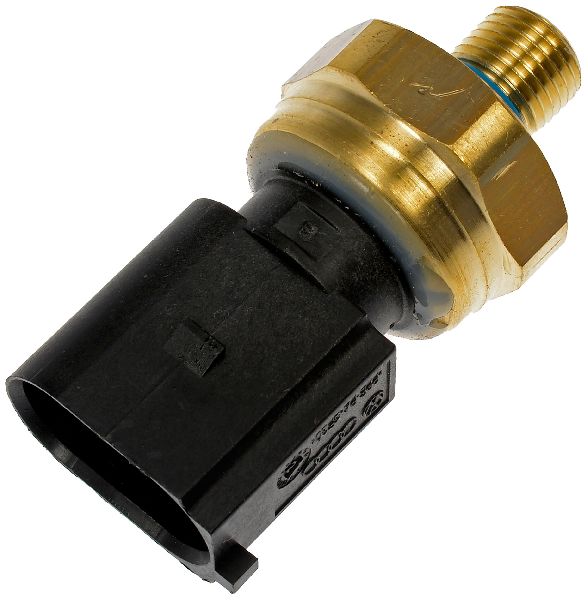
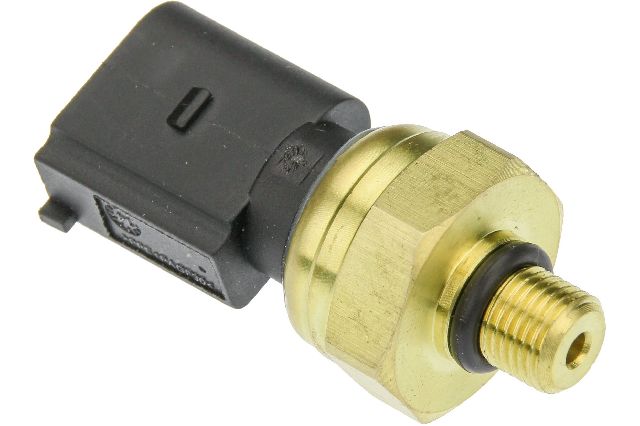
This is the low-pressure fuel sensor (G410), not to be confused with the high-pressure sensor on the fuel rail.
We Have This Part in Stock


The information in this article is provided for general reference and educational purposes only. Vehicle specifications, procedures, and part compatibility can vary by production date, trim level, and region. Always consult your vehicle's factory service manual and verify part numbers before purchasing or performing repairs. Safety-critical components such as airbags, seat belts, and braking systems should be installed by a qualified professional.
- Audi S6:
- 🎬 Helpful Videos
- 🛍️ Shop This Part
- Is This the Right Sensor? High-Pressure vs. Low-Pressure
- Common Failure Symptoms
- Known Issue: Technical Service Bulletin (TSB 2015106/9)
- Choosing the Right Aftermarket Fuel Pressure Sensor
- Pro Tip: Installation Requires Intake Manifold Removal
- Cost of Replacing the Fuel Pressure Sensor
- Frequently Asked Questions (FAQ)
- 🎟️ Get 5% Off