

2007-2012 BMW 320i Engine Coolant Temperature Sensor: A Complete Guide
Address poor performance, high-speed fan noise, and check engine lights related to your 320i's cooling system.
- A bad sensor forces your 320i into a fail-safe mode, causing high fan speeds and reduced power.
- The P0128 code can mean a bad sensor or a bad thermostat; diagnosis is key.
- Replacement is a simple DIY job that takes less than an hour with basic tools.
- Always bleed the cooling system after replacement to prevent air pockets and overheating.
Is Your BMW 320i Acting Strange? It Could Be The Coolant Sensor
A failing Engine Coolant Temperature Sensor in the 2007-2012 BMW 320i (E90 chassis) can cause a range of confusing symptoms. When the sensor fails, the engine computer (DME) no longer receives accurate temperature data. To protect the engine from potential overheating, it enters a fail-safe mode. This guide will help you understand the symptoms, choose the right replacement part, and know what to expect during the repair.
Common Failure Symptoms
When the coolant sensor fails, your 320i's computer plays it safe, assuming the worst-case scenario: that the engine is overheating. This triggers several distinct symptoms:
- Radiator Fan Runs at Full Speed: The most common sign is the radiator fan running on high, sounding like a jet engine, even when the engine is cold. This is the DME's attempt to prevent overheating.
- Check Engine Light: A fault in the sensor circuit will trigger the check engine light. Common diagnostic trouble codes include P0117, P0118, and 2EE0.
- Reduced Engine Power: In fail-safe mode, the DME will reduce engine power to lower stress and heat.
- Poor Fuel Economy and Black Smoke: The computer may enrich the fuel mixture, assuming the engine is cold and needs to warm up. This wastes fuel and can cause black smoke from the exhaust.
- Hard Starting and Rough Idle: An incorrect fuel mixture can make the engine difficult to start and cause it to run poorly at idle.
A Note on Code P0128
The trouble code P0128 (Coolant Temperature Below Thermostat Regulating Temperature) is common with this issue. However, this code can be caused by either a bad coolant sensor OR a faulty thermostat that is stuck open. A key difference is that a bad sensor often causes the fan to run on high immediately, while a stuck thermostat may only throw a code after a longer drive. Proper diagnosis is important to avoid replacing the wrong part.
Choosing the Right Aftermarket Sensor
For a critical sensor like the ECTS, quality matters. A cheap, inaccurate sensor can cause the same running issues as a failed one. Fortunately, several reputable aftermarket brands offer reliable options that meet or exceed OEM specifications.
- Top Tier (OEM-Equivalent): Brands like NGK (NTK) and Vemo are well-regarded for producing sensors that closely match original equipment performance and quality for European vehicles. They are known for using correct materials and ensuring accurate thermistor response.
- Quality Aftermarket: Brands like Standard Ignition (SMP) and Holstein are trusted names in the aftermarket. They provide a dependable and cost-effective solution that is a significant step up from no-name online parts.
Given the low cost of even top-tier aftermarket sensors, it is not worth saving a few dollars on a generic, unbranded part that could compromise your engine's performance and reliability.
Installation and Cost
Replacing the Engine Coolant Temperature Sensor on the 320i is a straightforward job suitable for a DIY mechanic.
Replacement Snapshot
| Part Location | On the cylinder head, often near the oil filter housing. |
| DIY Difficulty | 1 out of 5 (Easy) |
| Estimated Time | 0.5 hours |
| Tools Needed | Ratchet, deep socket (often 22mm), rags. |
Pro-Tip: Quick Swap
You can replace the sensor without draining the entire cooling system. Let the engine cool completely, then unscrew the old sensor and quickly install the new one. A small amount of coolant will spill, so have a rag and drain pan ready. Always top off the coolant and bleed the system afterward to remove any air pockets.
Frequently Asked Questions (FAQ)
Where is the coolant temperature sensor on a 2007-2012 BMW 320i?
The primary engine coolant temperature sensor is typically screwed into the cylinder head, near the oil filter housing. Do not confuse it with the radiator outlet temperature sensor, which is located on the lower radiator hose on some BMW models.
Can I replace the coolant sensor myself?
Yes, this is a very DIY-friendly repair. It requires basic hand tools and is easily accessible on top of the engine. The job can be completed in under an hour.
Why does my radiator fan run on high when the sensor is bad?
When the engine's computer (DME) loses the signal from the coolant sensor, it enters a fail-safe mode to prevent damage. It assumes the engine is overheating and runs the cooling fan at maximum speed as a precaution.
Is an aftermarket sensor okay for my BMW?
Yes, as long as you choose a reputable brand. Aftermarket sensors from brands like NGK, Vemo, or Standard Ignition are designed to meet or exceed OEM specifications and offer a reliable, cost-effective alternative to the dealer part.
Technical Specifications
OEM Part Numbers: 13621433076
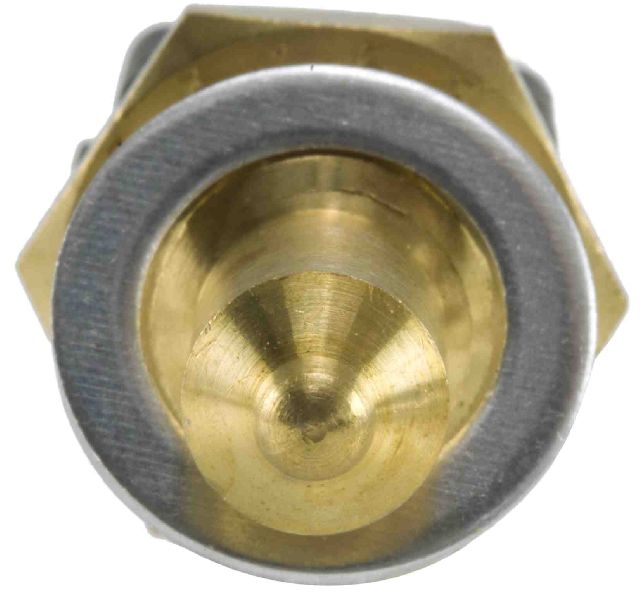
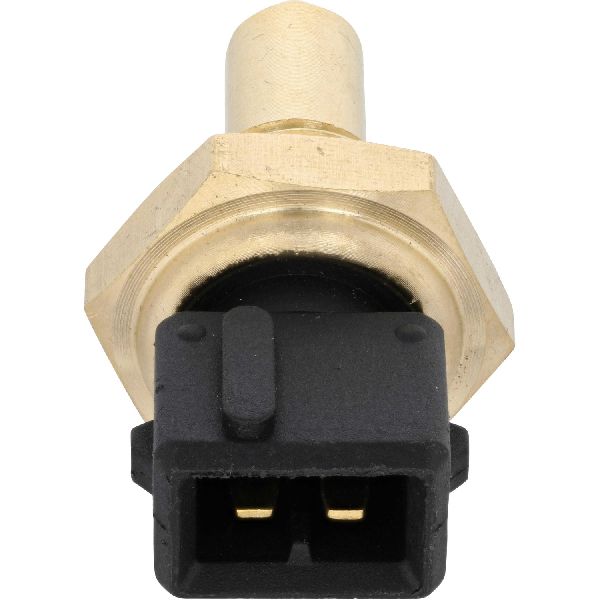
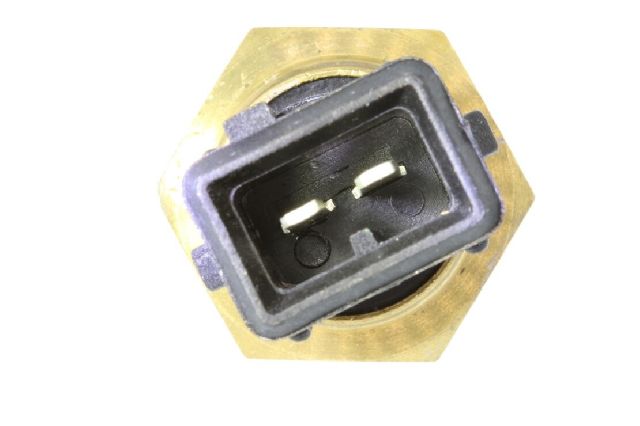
Threaded sensor with a 2-pin electrical connector. Located on the cylinder head.
We Have This Part in Stock


The information in this article is provided for general reference and educational purposes only. Vehicle specifications, procedures, and part compatibility can vary by production date, trim level, and region. Always consult your vehicle's factory service manual and verify part numbers before purchasing or performing repairs. Safety-critical components such as airbags, seat belts, and braking systems should be installed by a qualified professional.
- BMW 320i: