

A Guide to Aftermarket Brake Pads for the 2007-2012 Ford Mustang
Get the right stopping power for your S197 Mustang, from daily driving to spirited performance.
- You must identify your Mustang's specific brake system (V6, GT, or Brembo) before buying pads, as they are not interchangeable.
- Match the pad compound to your driving style; daily drivers benefit from quiet, low-dust ceramic pads, while performance driving requires pads that handle more heat.
- Performance pads often create more noise and dust as a trade-off for increased stopping power.
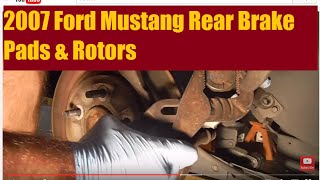
- When replacing rear pads, a special tool is required to retract the caliper piston; a standard C-clamp will not work.
Signs of Worn Brake Pads
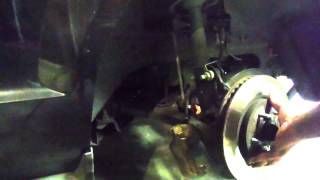
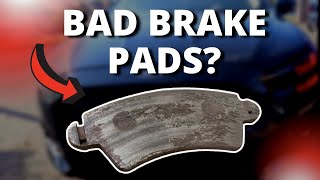
Your Mustang will give you clear warnings when it's time for new brake pads. 🎬 Watch: A visual guide to common bad brake pad symptoms. Ignoring these signs can lead to more expensive repairs, like needing to replace the brake rotors or calipers.
- Squealing or Screeching: A high-pitched noise when you apply the brakes is usually the first sign. This sound comes from a small metal wear indicator tab that contacts the rotor when the pad material is low.
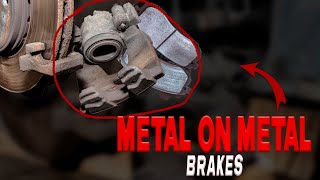
- Grinding Noise: A loud, harsh grinding sound means the pads are completely worn out. This is metal-on-metal contact between the pad's backing plate and the rotor, which causes serious damage and reduces stopping power.
- Vibrating Brake Pedal: If you feel a pulsation in the brake pedal or steering wheel when you stop, your brake rotors might be warped. This often happens from overheating, which can be made worse by worn pads.
- Car Pulls to One Side: If your Mustang pulls to the left or right when braking, it could mean the pads are wearing unevenly or a brake caliper is sticking.
Know Your Brakes Before You Buy
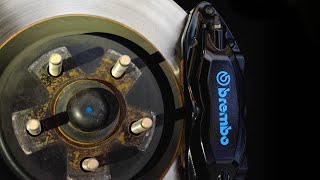
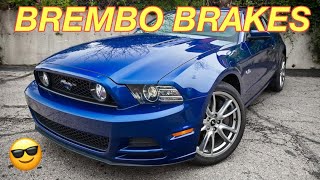
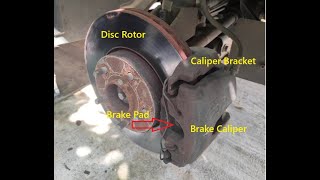
The 2007-2012 Mustang was available with several different brake systems. The V6 and standard GT models have different size brakes. Starting in 2011, GT models could be optioned with a Brembo Brake Package, which uses larger 4-piston front calipers and 14-inch rotors. Shelby GT500 models also came standard with Brembo brakes. It is critical to confirm which brake package your car has before ordering parts, as the pads are not interchangeable.
🎬 See how to change pads on 4-piston Brembo calipers.Choosing the Right Aftermarket Brake Pads
Aftermarket pads offer a wide range of options compared to the original Motorcraft pads. Your choice should depend on your driving style and budget.
Tier 1: Daily Driver & OEM-Equivalent
These pads are for the average driver who wants quiet, reliable stopping power with low brake dust. They are similar in performance to the original factory pads.
- Motorcraft: This is Ford's factory brand. If you were happy with the stock performance, Motorcraft pads are a safe and reliable choice.
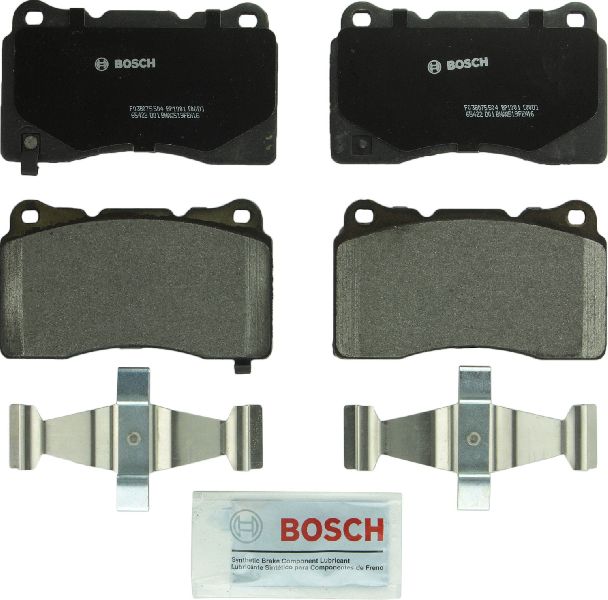
- Bosch, Wagner, Raybestos: These are well-known brands that offer quality ceramic and semi-metallic pads that meet or exceed factory specifications for quiet, everyday use.
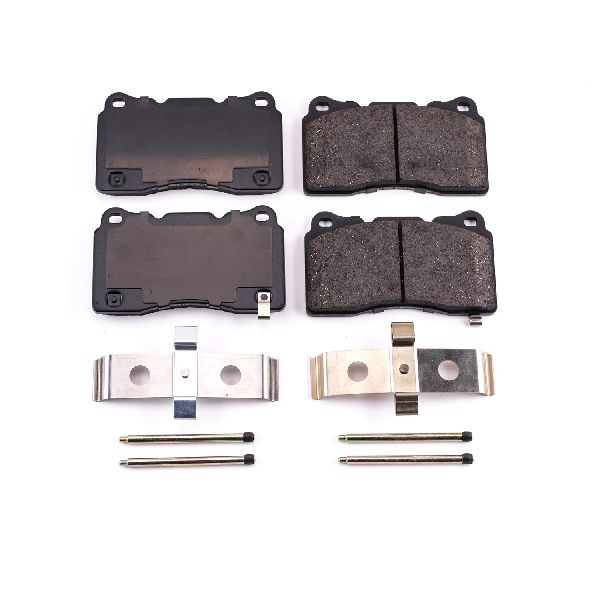
- PowerStop Z17 & Z23: The Z17 is a stock replacement ceramic pad, while the Z23 is a carbon-fiber ceramic option. Both are popular for being very quiet and producing low dust.
Tier 2: Performance Street
For spirited street driving and occasional autocross, these pads provide a noticeable increase in stopping power and resistance to brake fade at higher temperatures. Expect more brake dust and potentially more noise than daily driver pads.
- Hawk Performance HPS / HPS 5.0: A very popular choice among Mustang owners. They offer a significant step up in stopping power over stock pads with manageable dust and noise for the street.
- PowerStop Z26: A step up from the Z23, these carbon-fiber ceramic pads offer a stronger initial bite and better performance in high heat, making them a good balance for aggressive street use.
- EBC Redstuff / Yellowstuff: Redstuff pads are designed for higher horsepower street cars, offering strong performance with less dust than many performance pads. Yellowstuff pads are suitable for aggressive street driving and light track use but may wear quickly under heavy track conditions.
Tier 3: Track & Autocross
These pads are designed for the extreme heat of track days. They are often noisy, create a lot of dust, and may not have great stopping power when cold, making them unsuitable for most daily drivers.
- Hawk Performance HP Plus / DTC Series: HP Plus is a common entry-level track pad that can be driven on the street. The DTC series (DTC-60, DTC-70) are dedicated racing compounds for cars that see extreme temperatures on the track.
- Brembo / Pagid / Performance Friction: These brands offer high-performance and racing compounds designed for repeated, heavy braking on a road course.
Ceramic vs. Semi-Metallic
Ceramic pads are known for being quiet, producing very little fine, light-colored dust, and offering a long life for both the pad and the rotor. They are great for daily driving. Semi-metallic pads contain steel fibers that help dissipate heat and provide a stronger bite, but they are often noisier, produce more dust, and can wear rotors faster.
Known Issues, TSBs, and Recalls
No major recalls or Technical Service Bulletins (TSBs) specifically for brake pads were found for the 2007-2012 Ford Mustang. Searches for recalls on the NHTSA website for this generation primarily show issues unrelated to brake pad failure, such as a brake fluid level sensor issue on much newer 2020-2023 models. Some owners of S197 platform Mustangs (2005-2014) have reported issues with sticking rear calipers, which can cause premature and uneven pad wear. This is often caused by corrosion on the caliper guide pins and should be checked during a brake job.
Cost of Aftermarket vs. OEM Brake Pads
| Pad Type | Estimated Price Range (Front or Rear Set) |
|---|---|
| Aftermarket Economy/Daily Driver | $30 - $85 |
| OEM (Motorcraft) | $60 - $120 |
| Aftermarket Performance Street | $90 - $200 |
| Aftermarket Track/Race | $180 - $500+ |
Note: Prices are estimates and can vary based on brand, model (V6/GT/Brembo), and retailer.
Frequently Asked Questions
Do I need to replace my rotors when I replace my pads?
It is highly recommended. For the best performance and safety, installing new pads on a fresh, flat rotor surface is ideal. If your current rotors are vibrating, have deep grooves, or are worn below the minimum thickness stamped on the rotor hub, they must be replaced.
What is brake pad "bedding-in"?
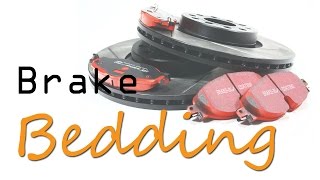
Bedding-in, or break-in, is the process of transferring a thin, even layer of friction material from the new pads onto the rotors. This is crucial for performance pads. It involves a series of controlled stops from moderate speeds to heat up the brakes without coming to a complete stop. Always follow the specific bedding-in procedure provided by the pad manufacturer.
🎬 Watch this video to learn how to bed-in your brakes.Will performance brake pads be noisy?
They can be. Performance and especially track-focused pads are designed for high-heat friction, and this can cause squealing at low speeds. While street performance pads like the Hawk HPS are designed to be quiet, some noise is a common trade-off for increased stopping power.
Is it hard to change Mustang brake pads myself?
For someone with basic mechanical skills and the right tools, changing front brake pads is a straightforward job. The rear pads on a 2007-2012 Mustang require a special tool to twist and compress the caliper piston simultaneously; simply using a C-clamp will not work and can damage the caliper.
Helpful Videos

Technical Specifications
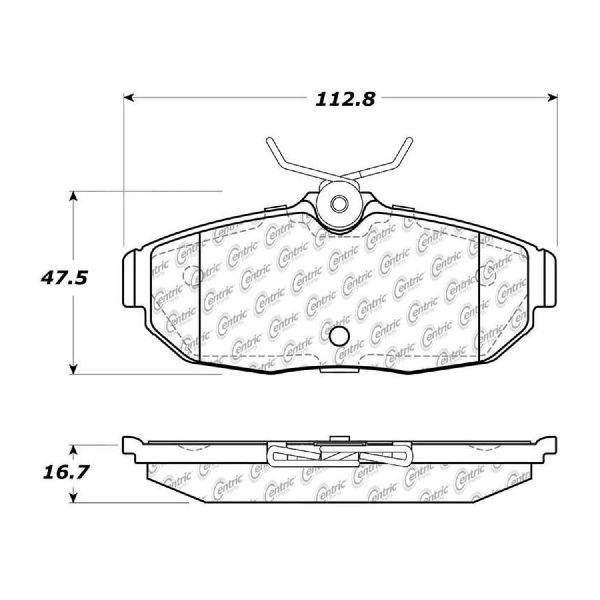
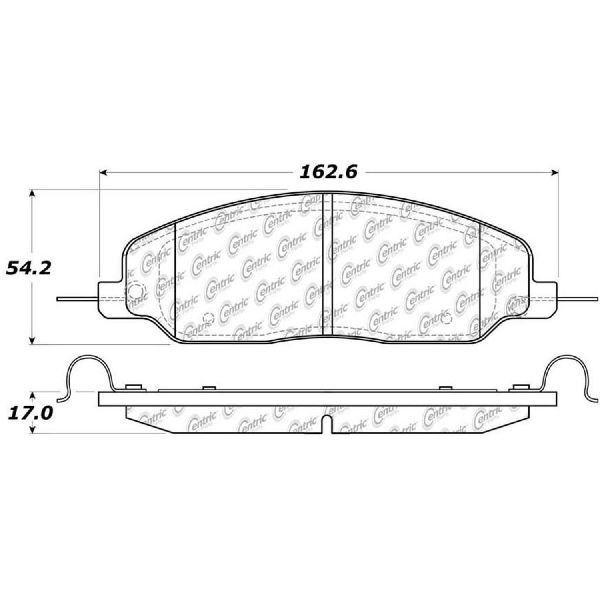
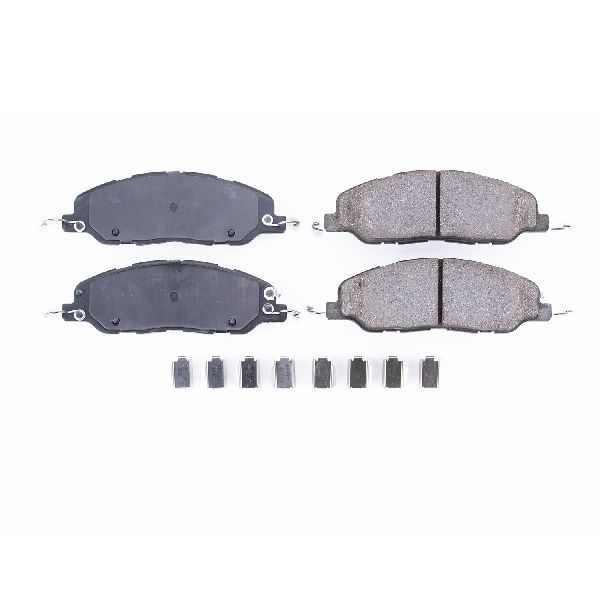
OEM Part Numbers: BRF1460 BRF1030 BRF1458 BR1293 BR785
Brake systems vary by submodel. Standard V6 and GT models use single or dual-piston sliding calipers. Optional Brembo packages (standard on GT500, optional on 2011-2012 GT) use 4-piston fixed front calipers requiring a different pad shape. Pad materials include semi-metallic, ceramic, and carbon-fiber ceramic compounds.
We Have This Part in Stock


The information in this article is provided for general reference and educational purposes only. Vehicle specifications, procedures, and part compatibility can vary by production date, trim level, and region. Always consult your vehicle's factory service manual and verify part numbers before purchasing or performing repairs. Safety-critical components such as airbags, seat belts, and braking systems should be installed by a qualified professional.
- Ford Mustang:
- 🎬 Helpful Videos
- 🛍️ Shop This Part
- Signs of Worn Brake Pads
- Know Your Brakes Before You Buy
- Choosing the Right Aftermarket Brake Pads
- Tier 1: Daily Driver & OEM-Equivalent
- Tier 2: Performance Street
- Tier 3: Track & Autocross
- Ceramic vs. Semi-Metallic
- Known Issues, TSBs, and Recalls
- Cost of Aftermarket vs. OEM Brake Pads
- Frequently Asked Questions
- 🎟️ Get 5% Off