

Mazda CX-7 (2007-2012) 2.3L Turbo Fuel Injector Replacement Guide
Having rough running or misfire problems with your 2.3L turbo CX-7? Your direct fuel injectors could be the cause.
- Only replace injectors; Mazda advises against cleaning for the 2.3L DISI engine.
- Confirm you have the 2.3L Turbo engine, as parts for the 2.5L non-turbo are different and not compatible.
- Due to the high labor cost and difficulty, it is highly recommended to replace all four injectors at once.
- This is a complex job requiring intake manifold removal; professional installation is recommended for most owners.
Understanding Fuel Injector Issues in the 2.3L DISI Turbo Engine

The fuel injectors in the 2.3L turbocharged engine of the Mazda CX-7 are high-precision components that operate under extreme pressure and heat. Over time, they can become clogged with carbon deposits or fail electrically. When one or more injectors start to fail, it disrupts the engine's balance, leading to a variety of noticeable symptoms. Unlike some parts, Mazda has issued a Technical Service Bulletin (TSB) stating that injector malfunctions should be resolved by replacement, not cleaning. This indicates the precision required for these parts to function correctly.
Common Ordering Mistake: 2.3L Turbo vs. 2.5L Engine
The 2007-2012 CX-7 was available with two different engines: the common 2.3L Turbo and a less common 2.5L non-turbo (in later years). These engines use completely different fuel injection systems and parts. The 2.3L uses high-pressure direct injectors, while the 2.5L uses standard port injectors. Parts are NOT interchangeable. Always verify your engine size before ordering.
Signs of a Failing Fuel Injector

A bad fuel injector will give you clear warning signs. The most common issues reported by CX-7 owners include:
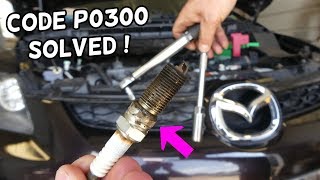
- Engine Misfires: The car may shudder or jerk during acceleration. You will likely get a Check Engine Light with misfire codes like P0300, P0301, 🎬 See how to diagnose and fix random P0300 misfire codes. P0302, etc.
- Rough Idle: The engine may idle erratically or feel shaky when you're stopped.
- Poor Fuel Economy: A leaking or clogged injector can cause the engine to use more fuel than necessary.
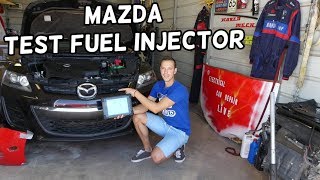
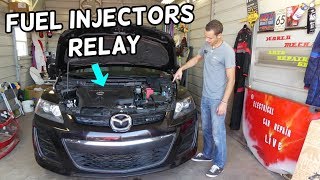
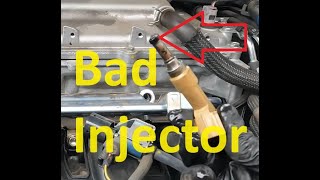
- Hesitation or Stalling: The vehicle may hesitate when you press the gas pedal or even stall completely due to an incorrect fuel supply. 🎬 Watch: Common symptoms of bad injectors and how to test them.
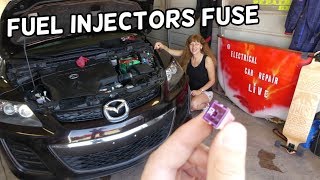
- Check Engine Light: Besides misfire codes, you might see specific injector circuit codes like P0201, P0202, P0203, or P0204.
Choosing the Right Aftermarket Fuel Injector

For a complex part like a direct injector, quality matters. While OEM is an option, high-quality aftermarket brands offer a reliable alternative. Here’s how the available brands generally stack up for this specific vehicle:
- Tier 1: OEM & Premium Aftermarket (Bosch, Standard Ignition): Bosch is a major OEM supplier for many car brands and is known for its engineering and reliability. While a specific Bosch part for the 2.3L Turbo isn't commonly listed, if available, it's a top choice. Standard Motor Products (SMP) offers a new direct injector for the 2.3L engine and is a well-regarded aftermarket manufacturer. These brands aim to meet or exceed original specifications.
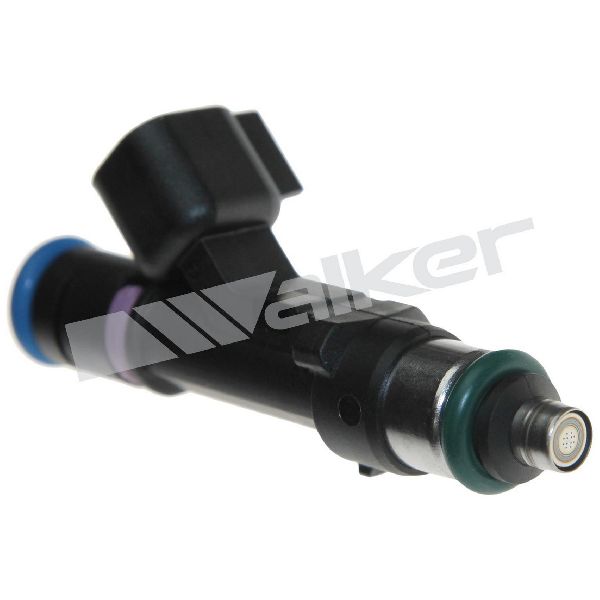
- Tier 2: Quality Aftermarket (Beck Arnley, Walker Products): These brands are known for providing quality replacement parts. Beck Arnley sources parts from various manufacturers, often including original equipment suppliers, to match the OEM part. Walker Products is another established aftermarket name. These can be a good balance of price and quality.
Pro Tip: Replace Injectors as a Set
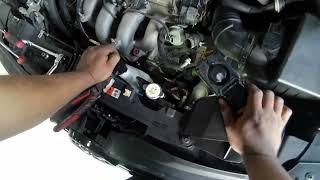
The labor to replace even one injector is significant because the intake manifold must be removed. 🎬 Watch this walkthrough of the 2.3L turbo injector replacement process. If one injector has failed due to age or mileage, the others are likely not far behind. To ensure balanced fuel delivery and avoid repeating the costly labor, it is highly recommended to replace all four injectors at the same time. Also, always replace the injector seals and O-rings, which are crucial for preventing fuel and pressure leaks.
Frequently Asked Questions (FAQ)

Can I clean my CX-7's fuel injectors instead of replacing them?
No. Mazda issued a Technical Service Bulletin specifically advising against cleaning direct injectors. Due to their complex design and high-pressure operation, cleaning is often ineffective. The official recommendation for any malfunction is replacement to ensure proper performance and reliability.
Is replacing the fuel injectors a DIY job?
This is an advanced repair. The job requires removing the intake manifold and working with the high-pressure fuel system. It requires special care to avoid damaging the new injectors or causing fuel leaks. For most owners, this job is best left to a professional mechanic with experience on Mazda's DISI engines.
Are there any recalls for the 2007-2012 Mazda CX-7 fuel injectors?
No. While there are active recalls for the CX-7 concerning Takata airbags and front suspension components, there are no specific NHTSA recalls for fuel injector failure.
Should I replace just the one bad injector or all four?
It is strongly recommended to replace all four injectors at once. The labor cost is the largest part of the expense, and injectors tend to fail around the same time. Replacing them as a set ensures each cylinder gets the same amount of fuel, leading to a smoother running engine and preventing you from having to pay for the same difficult repair again in the near future.
Helpful Videos
Technical Specifications
OEM Part Numbers: L3K9-13-250A L3K9-13-250
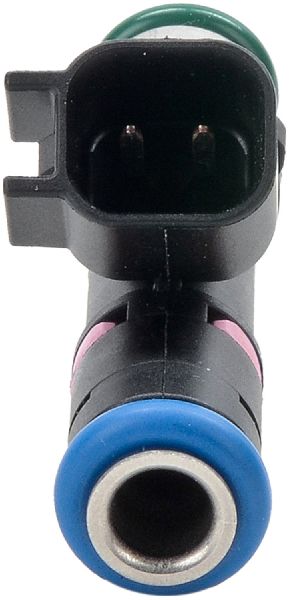
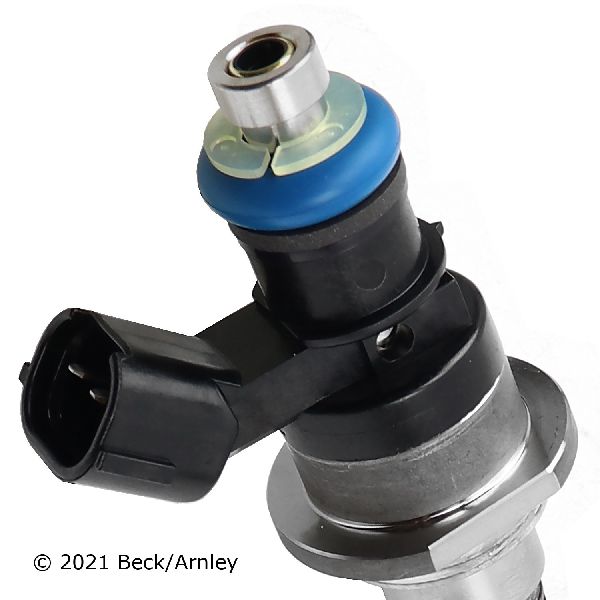
This is a high-pressure direct fuel injector for the 2.3L L3-VDT DISI turbocharged engine. It is not compatible with the 2.5L engine.
We Have This Part in Stock


The information in this article is provided for general reference and educational purposes only. Vehicle specifications, procedures, and part compatibility can vary by production date, trim level, and region. Always consult your vehicle's factory service manual and verify part numbers before purchasing or performing repairs. Safety-critical components such as airbags, seat belts, and braking systems should be installed by a qualified professional.
- Mazda CX-7:
- 🎬 Helpful Videos
- 🛍️ Shop This Part
- Understanding Fuel Injector Issues in the 2.3L DISI Turbo Engine
- Common Ordering Mistake: 2.3L Turbo vs. 2.5L Engine
- Signs of a Failing Fuel Injector
- Choosing the Right Aftermarket Fuel Injector
- Pro Tip: Replace Injectors as a Set
- Frequently Asked Questions (FAQ)
- 🎟️ Get 5% Off