

A Guide to the Serpentine Belt for the 2007-2012 Mazda CX-7
Keep your CX-7's engine running smoothly by understanding its most important belt.
- The serpentine belt powers the alternator, water pump, power steering, and A/C. A failure will cause a breakdown.
- Loud squealing, visible cracks, and accessory problems are key signs the belt needs replacement.
- It is highly recommended to replace the belt tensioner and idler pulleys at the same time as the belt.
- Top aftermarket brands like Gates, Continental, and Dayco are reliable and cost-effective alternatives to OEM.
Symptoms of a Failing Serpentine Belt

A failing serpentine belt gives clear warning signs. Ignoring them can lead to a sudden breakdown. Look out for these symptoms in your Mazda CX-7:
- Squealing or Chirping Noises: A high-pitched squeal from the engine bay, especially on startup or when the A/C is on, is the most common sign. This noise means the belt is slipping because it's old, worn, or not tight enough.
- Visible Wear and Tear: Look at the belt. If you see cracks, fraying, missing pieces, or a glazed, shiny appearance, it's time for a replacement.
- Accessory Failure: If your power steering becomes heavy, the A/C blows warm air, or the battery warning light comes on, the belt may be failing to power those components properly.
- Engine Overheating: The serpentine belt drives the water pump. If the belt breaks, the engine will overheat quickly, which can cause severe engine damage.
A Note on the Belt Tensioner
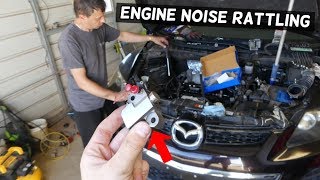
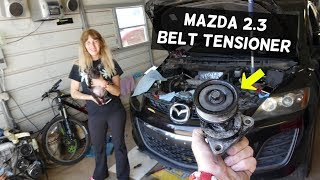
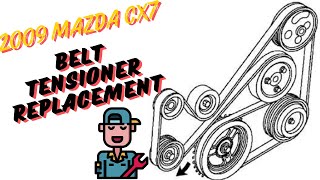
Often, the symptoms of a bad belt are actually caused by a failing belt tensioner. The tensioner is a spring-loaded pulley that keeps the belt tight. If the tensioner is weak, it can't hold the belt securely, leading to slipping and noise. It is highly recommended to replace the belt tensioner and any idler pulleys at the same time as the serpentine belt. This ensures the new belt operates under the correct tension and lasts longer.
Choosing the Right Aftermarket Serpentine Belt

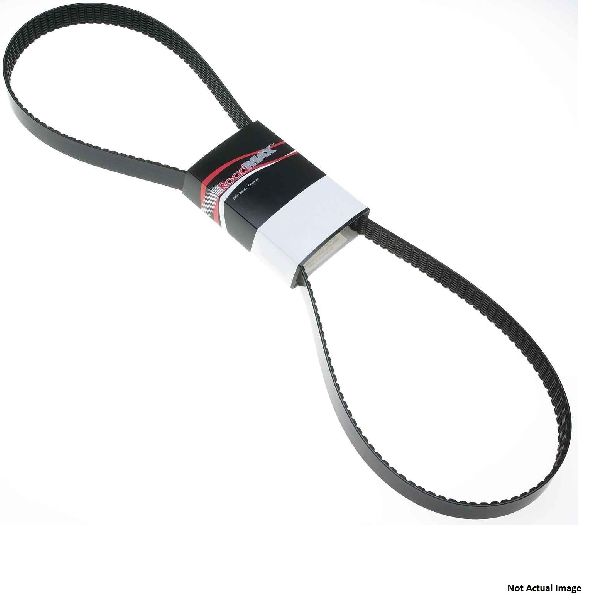
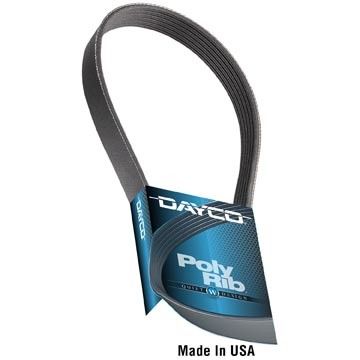
For the 2007-2012 Mazda CX-7, the original equipment (OEM) belt is a quality part, but top-tier aftermarket brands offer comparable or even superior performance, often at a better price. Brands like Gates, Continental, and Dayco are well-regarded manufacturers that often supply the original parts to automakers.
- Gates: Often considered a top choice by professional mechanics and DIYers, Gates belts are known for their durability and precise fit. They are a reliable option for the CX-7.
- Continental: Another premium brand, Continental belts are praised for their quiet operation and long life. They are an excellent alternative to the OEM belt.
- Dayco: Dayco provides a good balance of quality and value. They are a solid choice for a dependable replacement without the premium price tag.
When shopping, you'll find that these aftermarket brands are trusted in the industry and will perform reliably on your Mazda. There is no significant quality drop-off compared to the OEM part for this component, and you can be confident in your purchase.
| Part/Service | Estimated Cost |
|---|---|
| New OEM Belt | $40 - $80 |
| New Aftermarket Belt (Continental, Dayco, Gates) | $26 - $82 |
| Shop Labor for Replacement | $100 - $250 |
Frequently Asked Questions (FAQ)

When should I replace my CX-7's serpentine belt?
There is no strict mileage interval, but it's recommended to inspect the belt every 15,000 miles and plan for replacement around 60,000 miles or if you notice any signs of wear like cracking, fraying, or squealing.
Should I replace the tensioner and pulleys with the belt?
Yes, it is strongly recommended. The tensioner and idler pulleys wear out over time. Replacing them with the belt is a cost-effective way to prevent the new belt from failing prematurely due to a bad pulley.
What happens if my serpentine belt breaks while driving?
You will immediately lose power steering, making the wheel very hard to turn. Your battery will stop charging, and the engine will begin to overheat rapidly because the water pump will stop working. You should pull over safely and shut off the engine as soon as possible to prevent catastrophic engine damage.
Is replacing the serpentine belt a DIY job on the CX-7?
It can be, but it is challenging. The space in the engine bay of the 2.3L turbo model is very tight, making it difficult to access the tensioner and route the new belt. Some owners have reported needing to remove a motor mount to get enough clearance. While possible for an experienced DIYer with the right tools (like a long serpentine belt tool), a novice may find it frustrating.
Helpful Videos


Technical Specifications
OEM Part Numbers: L3K9-15-909 L3K9-15-909A L3B6-15-909 L3BR-15-909 L373-15-9099U L3B6159099U
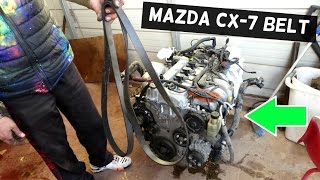
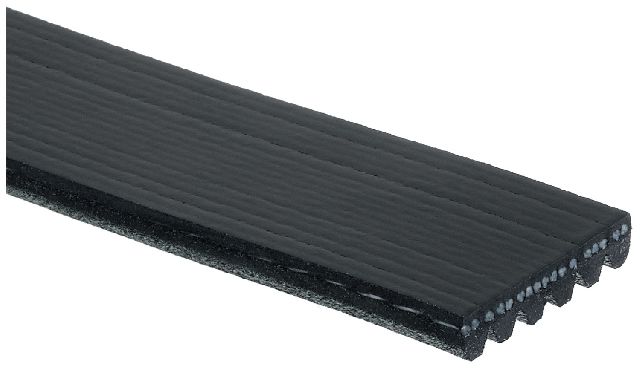
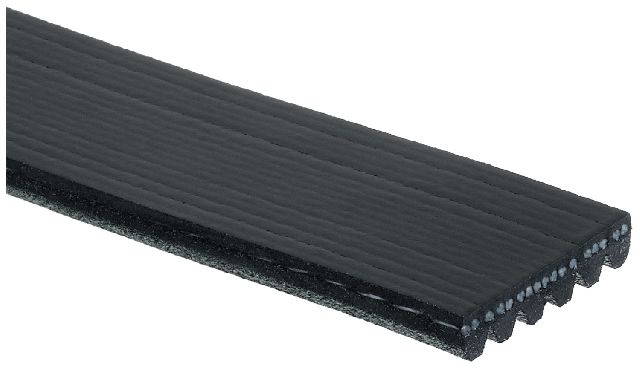
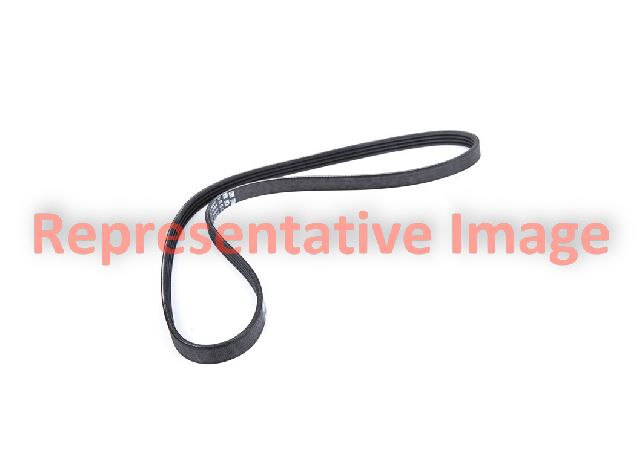
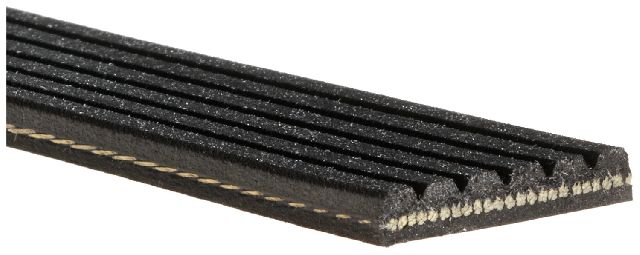
The 2007-2012 Mazda CX-7 with the 2.3L Turbo engine uses a single multi-rib (poly-v) serpentine belt. There are slight variations in length depending on the production date, so it is crucial to verify the correct part number for your specific vehicle. Early models (to 05/2008) and later models (from 05/2008) may use different length belts.
We Have This Part in Stock

The information in this article is provided for general reference and educational purposes only. Vehicle specifications, procedures, and part compatibility can vary by production date, trim level, and region. Always consult your vehicle's factory service manual and verify part numbers before purchasing or performing repairs. Safety-critical components such as airbags, seat belts, and braking systems should be installed by a qualified professional.
- Mazda CX-7: