

Engine Camshaft Position Sensor for the 2007-2012 Mitsubishi Eclipse
Understanding the signs of a failing camshaft position sensor and how to choose the right replacement for your Eclipse.
- A bad camshaft sensor will cause a Check Engine Light, starting problems, rough running, and can lead to stalling.
- For critical sensors, choosing a top-tier aftermarket brand like Delphi, Standard Ignition, or Hella is recommended over budget options.
- This is an easy and inexpensive DIY repair that most owners can do in under 30 minutes with basic tools.
- Before replacing the sensor, check for oil leaks from the valve cover gasket, as oil can damage the new part.
Is Your Eclipse Running Rough? It Could Be the Camshaft Position Sensor
If your 2007-2012 Mitsubishi Eclipse is suddenly hard to start, idling poorly, or has a Check Engine Light on, a failing camshaft position sensor is a likely culprit. This sensor is vital for engine timing, and when it starts to go bad, it can cause a range of noticeable problems. Ignoring these symptoms can lead to your car stalling while driving or not starting at all.
Symptoms of a Bad Camshaft Position Sensor
- Check Engine Light: This is often the first and most obvious sign. The code stored in the computer is typically in the P0340 to P0349 range.
- Difficulty Starting: The engine may crank for much longer than usual before it starts, or it may fail to start completely.
- Rough Idle and Stalling: Your car may shake or vibrate at a stop, and in some cases, the engine may stall unexpectedly.
- Poor Acceleration: You might notice the car feels sluggish, hesitates, or lacks power when you press the gas pedal.
- Reduced Fuel Economy: When the sensor sends bad data, the engine's computer can't time fuel delivery correctly, causing you to use more gas.
V6 vs. 4-Cylinder Engines
The 2007-2012 Eclipse was available with a 2.4L 4-cylinder engine or a 3.8L V6 engine. The V6 engine has two banks of cylinders and two camshafts, meaning it may have more than one camshaft position sensor. Be sure to identify which sensor has failed if you have the V6 model.
Choosing the Right Aftermarket Sensor: Brand Quality Tiers
When it comes to critical electronic sensors, not all aftermarket brands are created equal. For a part like this, using a low-quality sensor can mean you'll be doing the job again sooner than you'd like. Here’s an honest breakdown of the brands available.
Tier 1: OEM-Equivalent Quality
These brands are widely regarded by mechanics as having quality that is very close to, or the same as, the Original Equipment (OE) part. They are a safe bet for reliability.
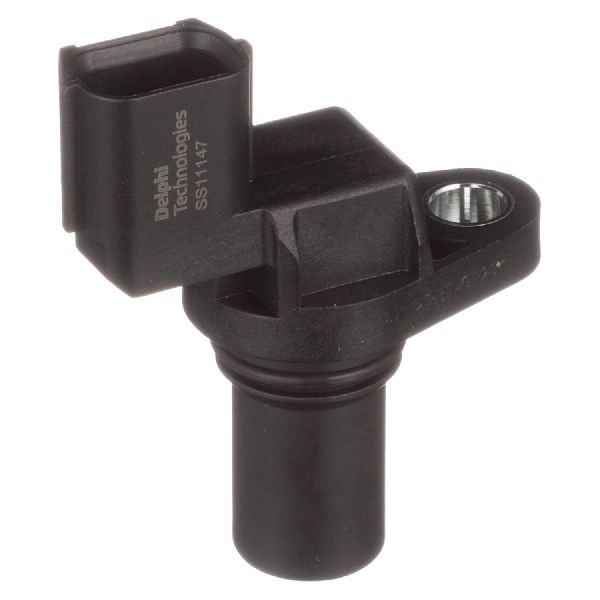
- Delphi: As a former part of GM, Delphi has a strong reputation for producing high-quality electronic components that meet factory specifications. They are often a top choice for sensor replacements.
- Standard Ignition (SMP): A well-respected name in the aftermarket that produces reliable sensors.
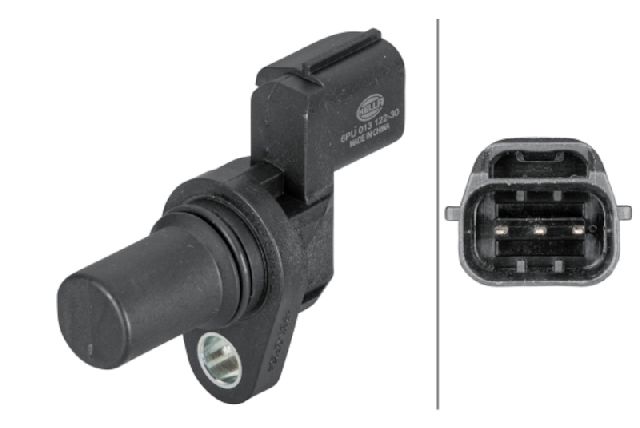
- Hella: A German company known for being an OEM supplier to many European car brands, indicating a high standard of quality.
Tier 2: Reputable Aftermarket
These brands offer a good balance of quality and value. They are generally reliable for daily driving.
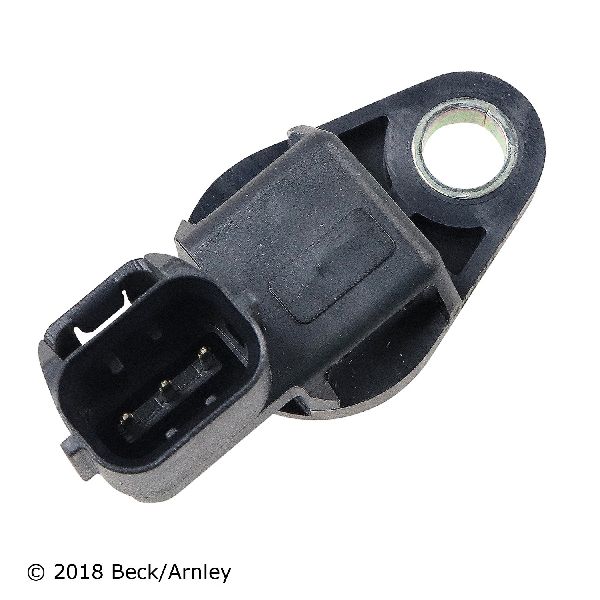
- Beck Arnley: Traditionally known for re-boxing actual OE parts from various manufacturers, making them a strong choice. However, some opinions suggest checking the country of origin, as their sourcing has become more varied.
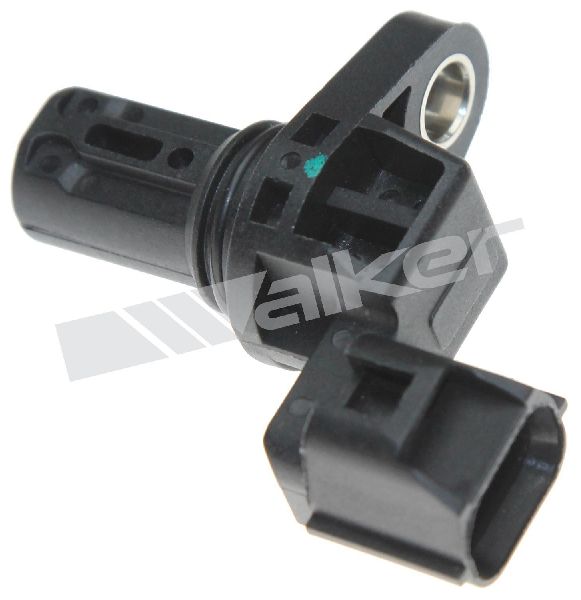
- Walker Products: With a long history in engine management parts, Walker is known for making sensors that perform well, especially in modern engines.
- Holstein: This brand offers direct-fit parts and is a solid mid-tier option for your Eclipse.
Tier 3: Value-Oriented
These brands focus on providing the lowest-cost option. While tempting, they have a higher reported failure rate for electronic sensors according to forum discussions.
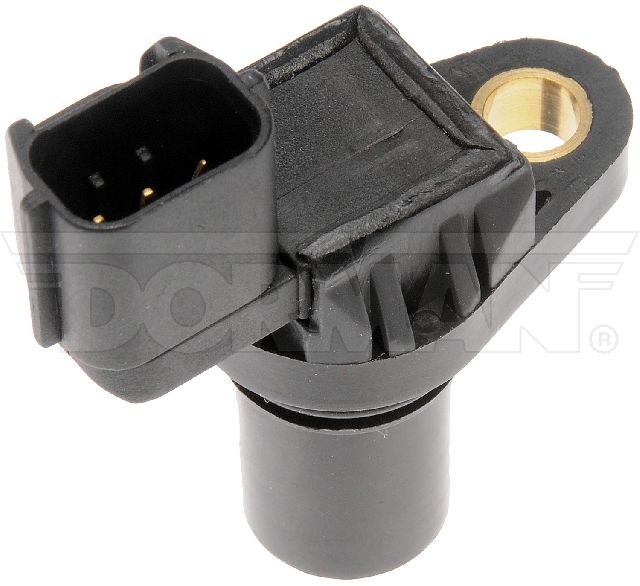
- Dorman: While Dorman makes a huge variety of parts, their electronic sensors are often cited by mechanics as having a short lifespan. Consider this a budget-focused, and potentially temporary, solution.
- Global Parts (GPD): Primarily known for A/C components, their sensors fall into the budget category.
A Note on Oil Leaks
Before installing a new sensor, check the area for any oil leaks, particularly from the valve cover gasket. Oil contamination is a common cause of sensor failure. If you see oil, fix the leak first to protect your new part.
Cost of Replacing the Camshaft Position Sensor
The cost to replace this sensor is relatively low, especially if you do it yourself. The part itself is affordable, and the labor is minimal.
| Part/Service | Estimated Cost |
|---|---|
| New Aftermarket Part | $19 - $84 |
| New OEM Part | $70 - $161 |
| Shop Labor | $51 - $75 |
| Total Professional Replacement | $122 - $236 |
Frequently Asked Questions
Is this a difficult repair to do myself?
No, this is a very DIY-friendly job. It typically requires only basic hand tools, like a socket or wrench. The sensor is usually held in by a single bolt and is easy to access on the top or side of the engine.
Where is the camshaft position sensor located on my Eclipse?
The location varies slightly between the 2.4L and 3.8L engines, but it is generally found on the cylinder head, near the top of the engine, often close to the timing belt cover. A quick search for your specific engine will show its exact position.
Are there any recalls for this part?
No. While there have been recalls for the 2007-2012 Mitsubishi Eclipse for issues like the ABS unit and fuel tank straps, none of them are related to the camshaft position sensor.
What happens if I don't replace it?
Ignoring a failing camshaft position sensor can leave you stranded. The engine may eventually refuse to start, or it could stall while you are driving, which is a serious safety risk.
Technical Specifications
OEM Part Numbers: MR578768
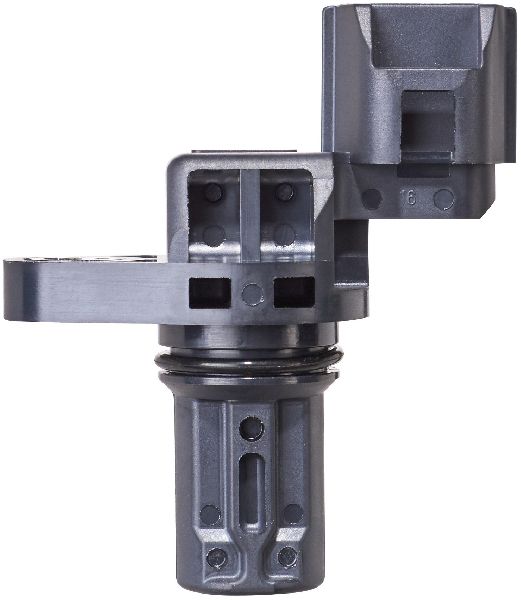
This sensor is a Hall Effect sensor that reads the position of the camshaft. It typically has a 3-pin oval connector. The 3.8L V6 engine may use more than one sensor.
We Have This Part in Stock

The information in this article is provided for general reference and educational purposes only. Vehicle specifications, procedures, and part compatibility can vary by production date, trim level, and region. Always consult your vehicle's factory service manual and verify part numbers before purchasing or performing repairs. Safety-critical components such as airbags, seat belts, and braking systems should be installed by a qualified professional.
- Mitsubishi Eclipse:
- 🛍️ Shop This Part
- Is Your Eclipse Running Rough? It Could Be the Camshaft Position Sensor
- Symptoms of a Bad Camshaft Position Sensor
- V6 vs. 4-Cylinder Engines
- Choosing the Right Aftermarket Sensor: Brand Quality Tiers
- Tier 1: OEM-Equivalent Quality
- Tier 2: Reputable Aftermarket
- Tier 3: Value-Oriented
- A Note on Oil Leaks
- Cost of Replacing the Camshaft Position Sensor
- Frequently Asked Questions
- 🎟️ Get 5% Off