

A Comprehensive Guide to the 2007-2013 Audi Q7 A/C System O-Ring and Gasket Kit
Losing cold air in your first-generation Q7? The small seals in your A/C system could be the culprit.
- A/C blowing warm air is the primary symptom of leaking o-rings.
- A professional diagnosis with UV dye is crucial, as leaks can also come from the condenser or a known issue with the rear evaporator.
- Replacing A/C seals is not a DIY job; it requires special tools to handle refrigerant legally and safely.
- A vehicle-specific aftermarket kit from a brand like Four Seasons is a cost-effective and reliable option for this repair.
Is Your Q7's A/C Blowing Warm?
If the air conditioning in your 2007-2013 Audi Q7 isn't blowing as cold as it used to, you likely have a leak in the system. Over time, the rubber o-rings and gaskets that seal the A/C lines become hard and brittle from constant heat cycles and vibration. This is a common issue in many vehicles, including the Q7. The result is a slow leak of refrigerant, which eventually leads to poor cooling performance. In some cases, if the system pressure drops too low, a safety switch will prevent the A/C compressor from turning on at all to prevent expensive damage.
It Might Not Be Just an O-Ring
While o-rings are a common failure point, refrigerant leaks on the first-generation Q7 can also come from other components. Forum members frequently report leaks from corroded A/C lines near the front of the vehicle and, most notably, from the rear evaporator core, which is a more involved repair. A proper diagnosis with UV dye is essential before buying parts.
Choosing the Right Aftermarket A/C Seal Kit
When you've confirmed a leak at a connection point, you'll need to replace the seal. You have a choice between original equipment (OEM) seals from Audi and aftermarket kits.
- OEM: Individual seals can be purchased from an Audi dealer. This is a safe bet for perfect fitment but is often the most expensive and inconvenient way to gather all the seals you might need for a job.
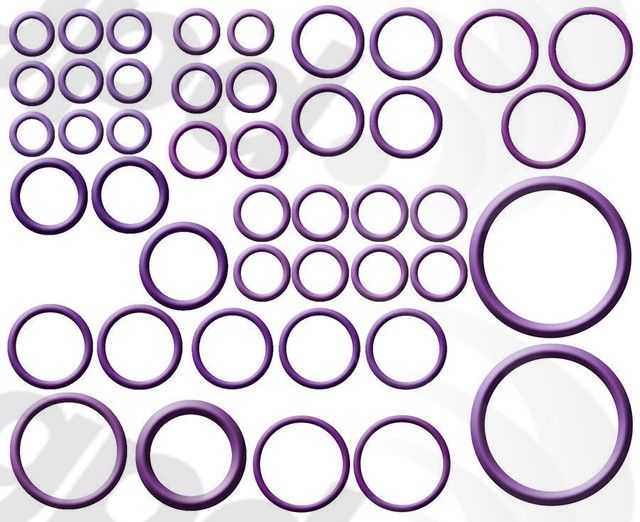
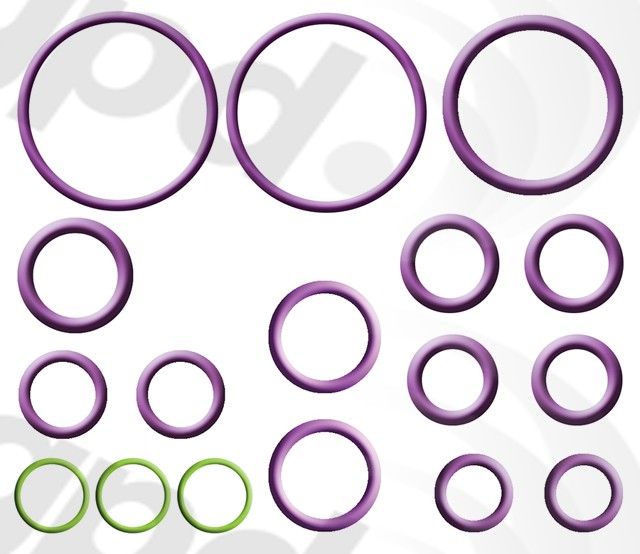
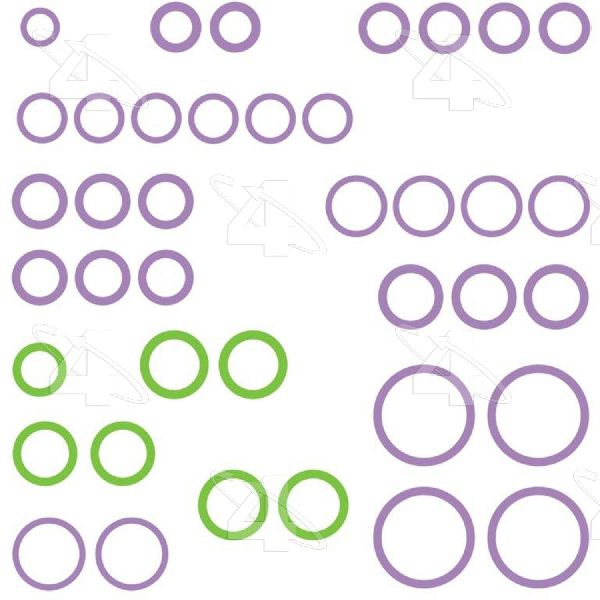
- Aftermarket Kits: Brands like Four Seasons and Global Parts offer complete, vehicle-specific kits. These are much more affordable and convenient. For a part like an o-ring, the quality difference is often minimal as long as you use a kit made specifically for your Q7. Generic, universal o-ring assortments are not recommended, as some users report they can be slightly different in thickness, leading to an improper seal.
Between the available aftermarket brands, Four Seasons is a well-known name in A/C components with generally positive feedback for value. There is less owner feedback available for Global Parts A/C components. For this application, a vehicle-specific kit from Four Seasons is a reliable and cost-effective choice.
Pro Tip: Replace Seals Anytime You Disconnect a Line
Whenever an A/C line is disconnected for any repair (like replacing a compressor or condenser), the o-rings at that connection should always be replaced. They are designed for one-time use and are likely to leak if reused. Also, make sure to lubricate new o-rings with the correct A/C oil (PAG oil) before installation to ensure a good seal and prevent tearing.
Cost of Replacing A/C O-Rings on a 2007-2013 Audi Q7
The cost consists of the parts and the labor, which includes specialized A/C service equipment.
| Part/Service | Estimated Cost |
|---|---|
| New Aftermarket A/C O-Ring Kit | $18 - $28 |
| New OEM O-Rings (purchased individually) | $50 - $80 |
| Shop Labor (Diagnosis, Evacuate & Recharge, Seal Replacement) | $250 - $500 |
Note: Labor costs can increase significantly if the leak is in a hard-to-reach location like the rear evaporator.
Frequently Asked Questions
Can I replace A/C o-rings myself?
This is not recommended for beginners. Replacing A/C system components requires specialized and expensive equipment, including a refrigerant recovery machine, a vacuum pump, and manifold gauges. It is illegal to release R-134a refrigerant into the atmosphere. This job is best left to a qualified mechanic.
Why is my A/C still not working after fixing a leak?
There could be another leak, or the issue could be electrical. On these Audi models, a faulty A/C pressure switch is another common problem that can prevent the system from turning on. A full system diagnosis is key.
My mechanic says the leak is from the condenser. Will this kit help?
This kit only contains the seals for connection points. If the condenser, compressor, or an A/C line itself is leaking, that component must be replaced. However, this o-ring kit would be used to seal the connections when the new part is installed.
Is there a recall on the A/C system for my Q7?
No, there are no specific recalls or Technical Service Bulletins (TSBs) from Audi for leaking A/C o-rings on the 2007-2013 Q7. Recalls for this vehicle exist for other issues like airbags and fuel system components.
Technical Specifications
OEM Part Numbers: 4E0260749A 8E0260749 3D0260749C 7H0820896
Kit contains multiple HNBR (Hydrogenated Nitrile Butadiene Rubber) o-rings and gaskets designed for use with R-134a refrigerant. Seals vary in size to fit specific connection points on the 2007-2013 Audi Q7 A/C system.
We Have This Part in Stock

The information in this article is provided for general reference and educational purposes only. Vehicle specifications, procedures, and part compatibility can vary by production date, trim level, and region. Always consult your vehicle's factory service manual and verify part numbers before purchasing or performing repairs. Safety-critical components such as airbags, seat belts, and braking systems should be installed by a qualified professional.
- Audi Q7: