

A Guide to the Automatic Transmission Mount for the 2007-2013 Chevrolet Avalanche
Stop the clunks and vibrations by understanding and choosing the right transmission mount for your truck.
- A loud 'clunk' when shifting into gear is the most common symptom of a failed transmission mount.
- Replacement is a DIY-friendly task, typically taking 1-2 hours with basic tools.
- Budget aftermarket brands (Anchor, DEA, Westar) are affordable but may not last as long as OEM or premium aftermarket options.
- Always inspect the two engine mounts when replacing the transmission mount, as they wear at a similar rate.
Symptoms of a Failing Transmission Mount
The transmission mount is a simple rubber and metal part, but when it fails, the symptoms are hard to ignore. Because it's responsible for holding the back of the powertrain steady, a worn-out mount allows for excessive movement that you can both hear and feel. Here are the most common signs that your Avalanche's transmission mount needs to be replaced:
- Clunking or Banging Noises: A loud "clunk" when you shift from Park into Drive or Reverse is a classic symptom. You might also hear banging sounds when you accelerate hard or brake suddenly. This noise is the sound of the transmission moving and hitting other components.
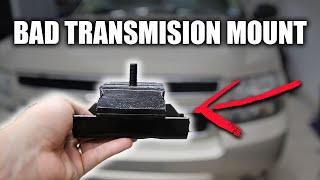
- Excessive Vibrations: A new mount absorbs vibrations, but a failed one lets them pass right into the truck's frame and cabin. You may feel these vibrations through the floor, seats, or steering wheel, especially when idling in gear or accelerating. 🎬 Learn more about the common signs of a bad mount.
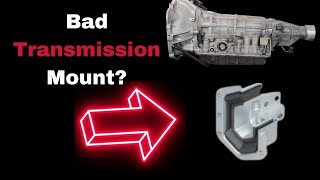
- Visible Movement: A mechanic can easily check for a bad mount by using a pry bar to check for excessive play. 🎬 Watch this guide to help diagnose your failing transmission mount. You might also see the engine and transmission assembly rock significantly if a helper briefly applies the throttle while the truck is in gear with the brakes held firmly.
Don't Ignore a Bad Mount
While you can drive with a failing transmission mount, it's not recommended for long. Continued driving can put extra stress on other parts like the engine mounts, driveshaft, U-joints, and exhaust system, leading to more expensive repairs down the road.
Choosing the Right Aftermarket Transmission Mount
For the 2007-2013 Avalanche, you have a choice between original equipment (OEM) and several aftermarket brands. While an OEM part is always a safe bet for fit and quality, aftermarket options can offer significant savings. However, quality can vary between brands.
OEM vs. Aftermarket Quality
The original GM mount is designed for a perfect balance of durability and vibration absorption. Aftermarket mounts aim to replicate this but sometimes use harder rubber compounds or have minor differences in manufacturing. For a daily driver, a quality aftermarket mount is often sufficient. However, many forum users note that budget brands may not last as long as the original part.
Aftermarket Brand Tiers
- Good (Economy): Brands like Anchor, DEA, and Westar are widely available and very affordable. They are a popular choice for budget-conscious repairs. Reviews are often mixed; some users find them adequate, while others report a shorter lifespan or slight increases in vibration compared to OEM. These are functional replacements but may not match the longevity of the original part.
- Better (Standard): Brands like Pioneer often receive positive mentions for being close to OEM quality and fit without the high price tag. They are generally considered a solid middle-ground option.
- Best (Premium Aftermarket/Upgrade): For those who want enhanced durability, polyurethane mounts from brands like Energy Suspension are an option. Polyurethane is much tougher than rubber and is not affected by vehicle fluids, but it will transmit more vibration into the cabin. This is often a choice for performance-oriented builds rather than daily comfort.
Pro Tip: When replacing the transmission mount, it's a good idea to inspect your two engine mounts as well. These three mounts work together, and if one has failed, the others may be worn and nearing the end of their service life. The driver-side engine mount on these trucks is a known failure point.
Cost of Replacing an Avalanche Transmission Mount
| Part Type | Estimated Cost |
|---|---|
| New Aftermarket Part | $12 - $63 |
| New OEM Part | $70 - $100+ |
| Shop Labor | $61 - $90 |
| Total Professional Replacement | $131 - $159+ |
Frequently Asked Questions (FAQ)
Is there a recall on the 2007-2013 Avalanche transmission mount?
No, there are no specific recalls from the NHTSA for the transmission mount on the 2007-2013 Chevrolet Avalanche. Failures are generally considered normal wear and tear.
Can I replace the transmission mount myself?
Yes, this is a DIY-feasible job for someone with basic mechanical skills and tools. The process involves supporting the transmission with a jack, removing the crossmember bolts, and then unbolting the mount itself. The job typically takes about 1-2 hours.
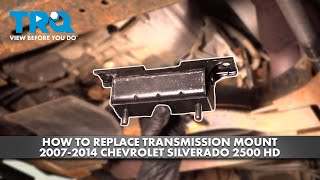
🎬 See how to replace the transmission mount on your truck.Should I replace engine and transmission mounts at the same time?
It is highly recommended to at least inspect all mounts during replacement. Mounts wear at a similar rate, and replacing a single failed mount can put extra stress on the remaining old ones. If your budget allows, replacing them as a set ensures a balanced and long-lasting repair.
What's the difference between a rubber and polyurethane mount?
Standard rubber mounts, like the original, are soft and excellent at absorbing vibration for a comfortable ride. Polyurethane is a much harder and more durable plastic material that offers less flex, which can improve throttle response but will noticeably increase the amount of vibration you feel inside the truck.
Helpful Videos
Technical Specifications
OEM Part Numbers: 15854745
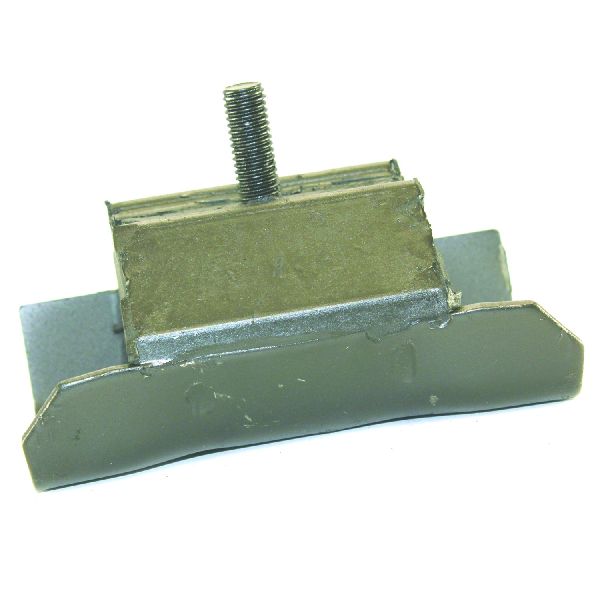
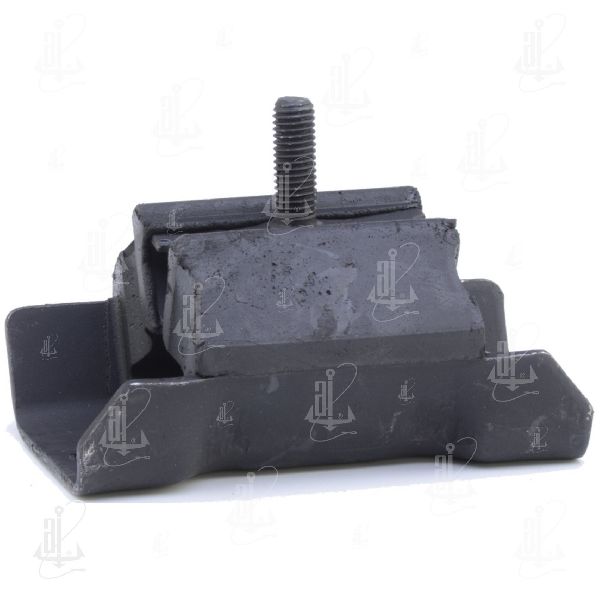
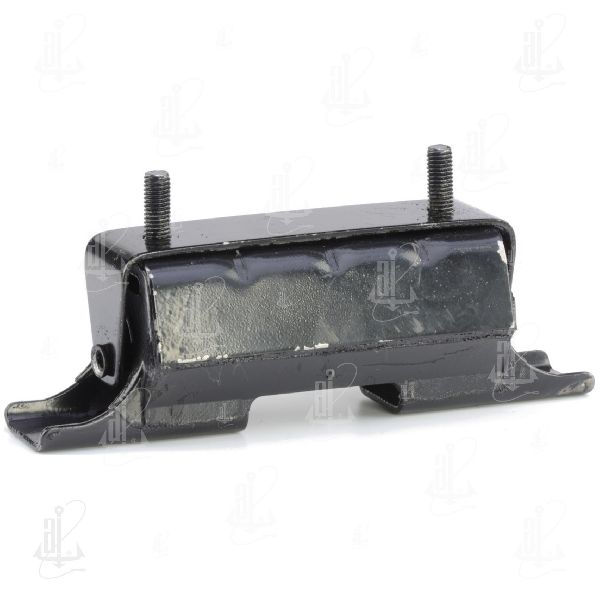
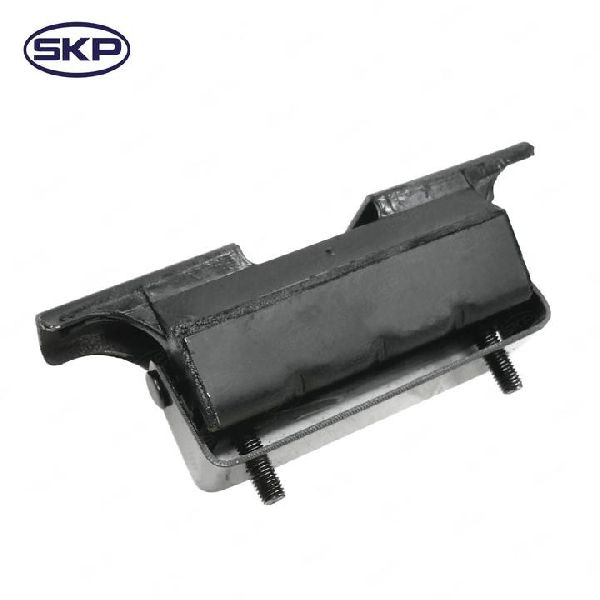
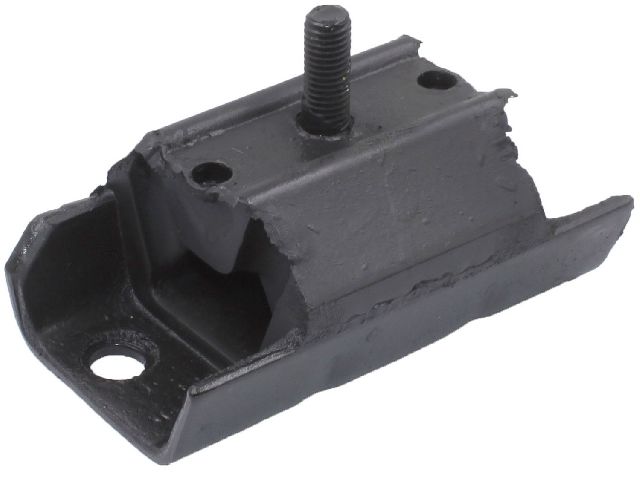
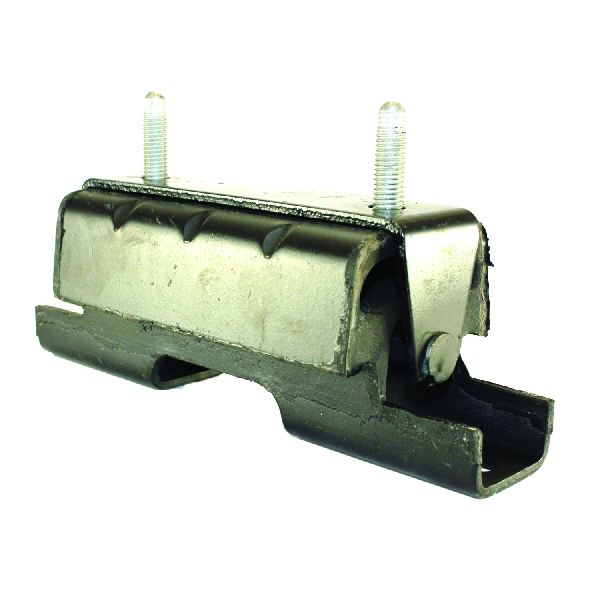
The mount consists of a steel or aluminum housing bonded to a rubber block. It secures the rear of the transmission to the vehicle's crossmember. The 2007-2013 Avalanche uses a single automatic transmission mount for both 2WD and 4WD models.
We Have This Part in Stock

The information in this article is provided for general reference and educational purposes only. Vehicle specifications, procedures, and part compatibility can vary by production date, trim level, and region. Always consult your vehicle's factory service manual and verify part numbers before purchasing or performing repairs. Safety-critical components such as airbags, seat belts, and braking systems should be installed by a qualified professional.
- Chevrolet Avalanche: