

Chevrolet Avalanche Engine Camshaft Position Sensor: A Guide for 2007-2013 Owners
If your Avalanche is stalling, running rough, or won't start, a bad camshaft position sensor could be the reason.
- A failing camshaft sensor will almost always trigger the Check Engine Light with codes P0340 or P0341.
- Key symptoms include hard starting, stalling, and rough running; stalling is a critical safety issue that should be addressed immediately.
- Replacement is a simple DIY job for most owners, requiring only basic hand tools and about an hour of time.
- For best results, choose a quality aftermarket brand like Delphi, NGK, or Standard Ignition, which offer reliability close to OEM parts.
Why Camshaft Position Sensors Fail
The camshaft position sensor on the 2007-2013 Avalanche lives in a harsh environment on the front of the engine. Over time, constant exposure to high heat and potential oil leaks can cause the sensor's internal electronics to break down. It's a common wear-and-tear item, and failure is not unusual as a vehicle ages. There are no specific recalls or widespread factory defects for this sensor on the 2007-2013 Avalanche models; failures are typically due to age and operating conditions.
Symptoms of a Bad Camshaft Sensor
When the camshaft sensor starts to fail, it sends incorrect data or no data at all to the engine's computer. This can cause a variety of noticeable problems:
- Check Engine Light: This is often the first and most common sign. The computer will log a trouble code, usually P0340 or P0341. 🎬 Watch: Diagnosing P0340 codes on your Chevy truck
- Engine Won't Start: The engine may crank but refuse to start because the computer doesn't know when to fire the spark plugs and fuel injectors.
- Stalling: The engine might suddenly shut off while you're driving or idling at a stoplight, which can be a serious safety risk.
- Rough Running: You may feel a rough idle, engine shaking, misfires, or hesitation when you press the gas pedal.
- Poor Fuel Economy: With the engine timing off, your truck may start using more gasoline than usual.
Don't Ignore the Signs
While you might be able to drive with a failing sensor, it's not a good idea. The risk of the engine stalling in traffic is a major safety concern. Continuing to drive can also lead to poor performance and potentially harm other engine components over the long run.
Choosing the Right Aftermarket Sensor
You don't need to buy the most expensive part from a dealership to get your Avalanche running right. Several aftermarket brands offer excellent quality, sometimes from the same factory that made the original part.
- Top Tier (OEM Quality): Delphi was an original parts supplier for General Motors for many years. Choosing a Delphi sensor is often the closest you can get to the original factory part without the dealer price tag. Many professional mechanics trust Delphi for its reliability in GM vehicles. ACDelco is GM's official parts brand and offers both Original Equipment (OE) and high-quality aftermarket lines.
- Trusted Aftermarket: Brands like NGK (NTK), Standard Ignition (SMP), and Hitachi have a strong reputation for producing reliable sensors that meet or exceed original specifications. They are a solid choice for a balance of price and quality.
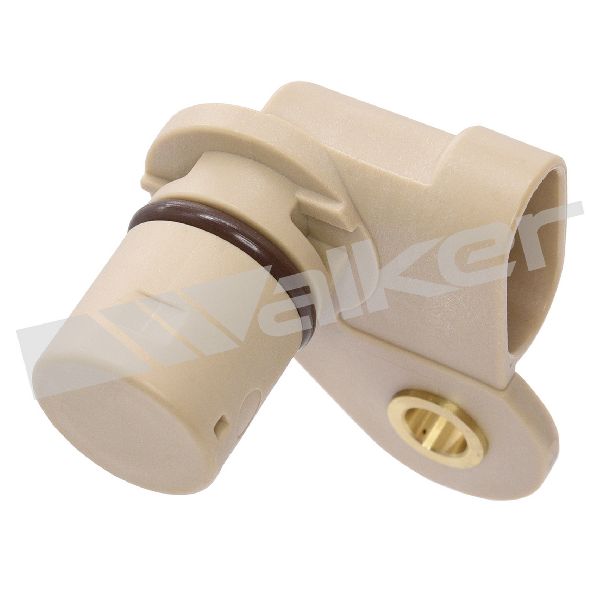
- Economy Options: Brands like Dorman, Walker Products, and others offer a direct-fit replacement at a very affordable price. These are designed to match the function of the original part and can be a good budget-friendly solution for many owners.
Pro Tip: Check for Oil Leaks
When you replace the sensor, take a moment to inspect the area for any oil or coolant leaks. A leak can damage the new sensor over time. Fixing a small leak now can prevent you from having to do this job again.
Cost to Replace the Camshaft Position Sensor
| Part Type | Estimated Part Cost | Notes |
|---|---|---|
| New Aftermarket | $27 - $57 | This is the typical price range for quality aftermarket brands. |
| New OEM (ACDelco) | $70 - $85 | Original equipment part from a GM dealer or certified reseller. |
| Shop Labor | $80 - $150 | Most shops will charge for 0.5 to 1.0 hour of labor for this repair. |
Frequently Asked Questions (FAQ)
Where is the camshaft position sensor located on the 2007-2013 Avalanche?
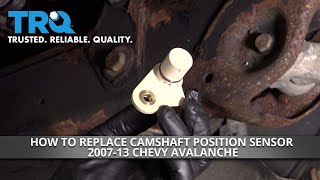
The sensor is located on the front of the engine, on the timing cover, just above the crankshaft pulley. 🎬 See this walkthrough for locating and replacing the sensor It is held in place by a single 10mm bolt.
Can I replace this sensor myself?
Yes, this is a very DIY-friendly repair for most people with basic tools. The job involves removing a plastic cover, disconnecting the electrical connector, and removing one 10mm bolt. The only common problem is that the old sensor can sometimes get stuck in the engine block and may require some gentle twisting with pliers to remove. Always clean the mounting hole and apply a little clean engine oil to the O-ring of the new sensor before installation.
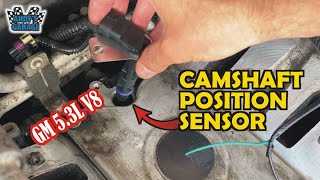
🎬 Watch: Step-by-step guide for replacing the sensor on a 5.3L V8Is there a recall on the camshaft position sensor for my Avalanche?
No, there are no active recalls from the NHTSA for the camshaft position sensor on the 2007-2013 Chevrolet Avalanche. There was a recall for a *crankshaft* sensor on some much older GM trucks, but it does not apply to this vehicle.
What's the difference between a P0340 and P0341 code?
Both codes point to a problem with the camshaft sensor. A P0340 code generally means there is a complete loss of signal (a circuit malfunction), which could be the sensor itself or a wiring problem. A P0341 code means the signal is present but is out of the expected range or not performing correctly, which often points directly to a failing sensor.
Helpful Videos
Technical Specifications
OEM Part Numbers: 12684186 12615371 213-3826
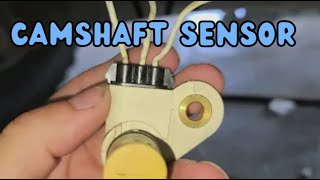
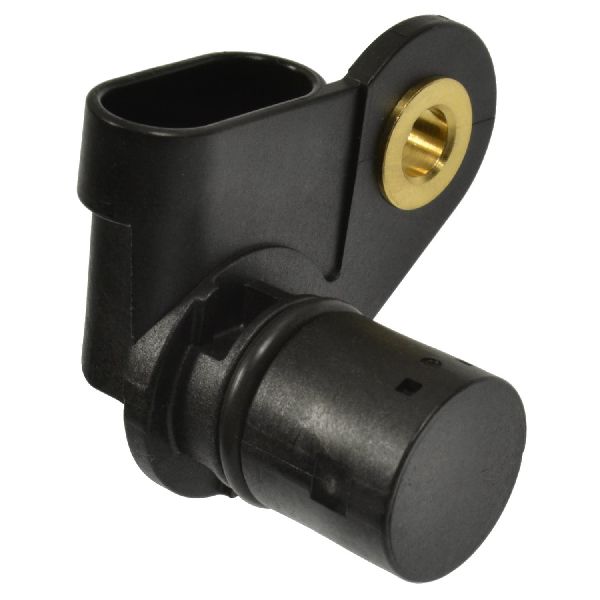
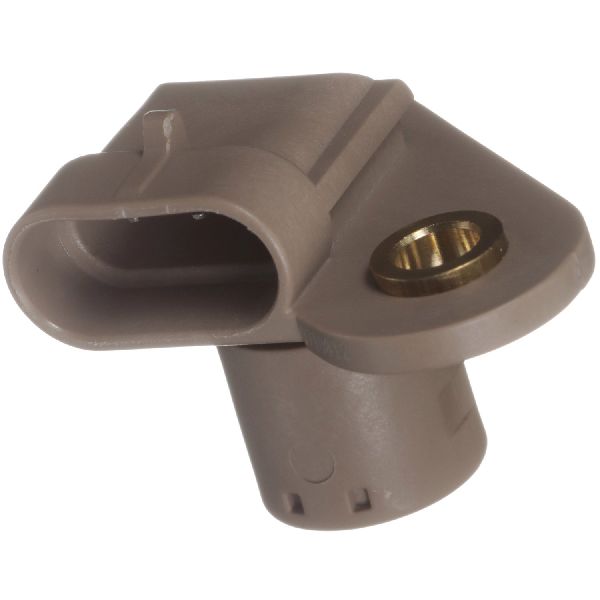
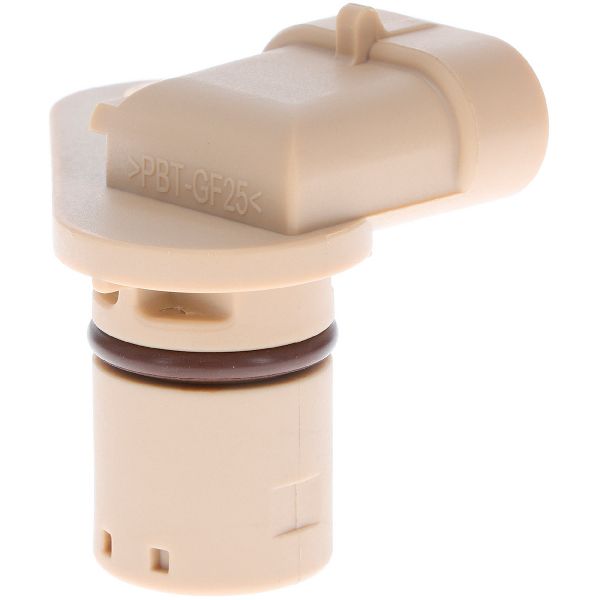
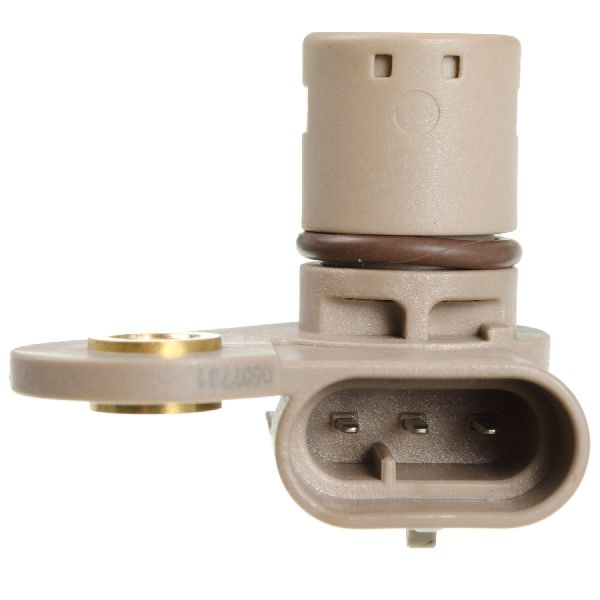
The sensor is a 3-pin Hall effect sensor that reads the camshaft's position via a reluctor wheel on the camshaft sprocket. It is held in place by a single bolt and sealed with an O-ring.
We Have This Part in Stock


The information in this article is provided for general reference and educational purposes only. Vehicle specifications, procedures, and part compatibility can vary by production date, trim level, and region. Always consult your vehicle's factory service manual and verify part numbers before purchasing or performing repairs. Safety-critical components such as airbags, seat belts, and braking systems should be installed by a qualified professional.
- Chevrolet Avalanche: