

Guide to the 2007-2013 Chevrolet Avalanche Engine Coolant Temperature Sensor
Understanding the signs of a failing coolant temperature sensor can save your Avalanche's engine from serious damage.
- A bad ECT sensor can cause poor fuel economy, an inaccurate temperature gauge, and a check engine light with codes like P0117, P0118, or P0128.
- The sensor is located on the driver's side cylinder head and is an easy, low-cost DIY replacement for most owners.
- For best results, choose an OEM-equivalent brand like Delphi or ACDelco, as they were original suppliers to GM.
- Always check if your issue might be a stuck-open thermostat, especially if you only have a P0128 code.
Is Your Avalanche's Engine Coolant Temp Sensor Failing?
A bad Engine Coolant Temperature (ECT) sensor can cause a variety of confusing problems. Because the sensor's reading affects so many engine functions, a false signal—either too hot or too cold—can make your truck behave poorly. You might notice the temperature gauge on your dash giving strange readings, or not moving at all. Another common sign is if your engine's cooling fans seem to run all the time, even when the engine is cold, or don't turn on when the engine gets hot.
Don't Ignore the Check Engine Light
A check engine light is one of the most common symptoms of a bad ECT sensor. Specific trouble codes like P0117 (circuit low), P0118 (circuit high), or P0128 (coolant temperature below thermostat regulating temperature) point directly to a problem in the cooling system. While P0128 is often caused by a faulty thermostat, it can also be triggered by a bad sensor.
Choosing the Right Aftermarket ECT Sensor
When replacing the ECT sensor on your 2007-2013 Avalanche, you have several aftermarket options. The quality can vary, so it's important to choose wisely.
- OEM-Equivalent Brands (Best Quality): Delphi is a well-known original equipment manufacturer (OEM) for General Motors. Choosing a Delphi sensor is often the closest you can get to the original part without paying dealership prices. ACDelco is GM's official parts brand, and their professional-grade parts are also a top-tier choice, often made by Delphi or another OEM supplier.
- Reputable Aftermarket Brands (Good Quality): Brands like NGK, Standard Ignition (SMP), and Hella are trusted names in the aftermarket. They produce reliable sensors that meet or exceed OEM specifications and offer a good balance of quality and price.
- Value-Oriented Brands (Standard Quality): Brands like Four Seasons, Walker Products, and others offer a budget-friendly solution. While they may not have the same long-standing OEM reputation, they can be a practical choice for a reliable repair, especially if you're on a tight budget.
Pro Tip: Check the Connector
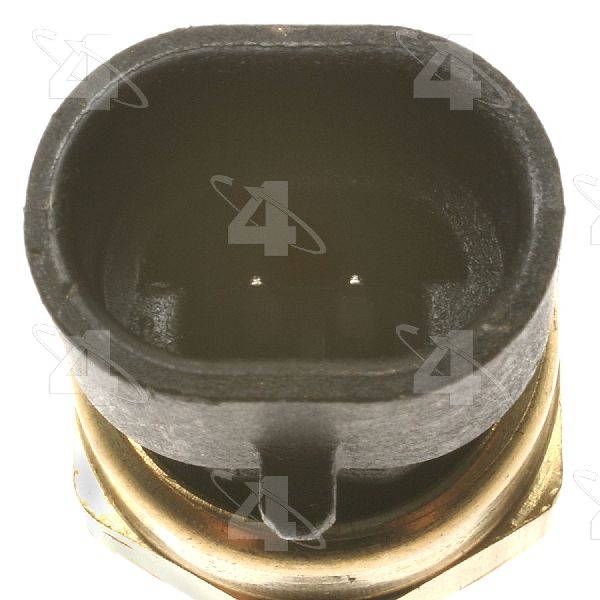
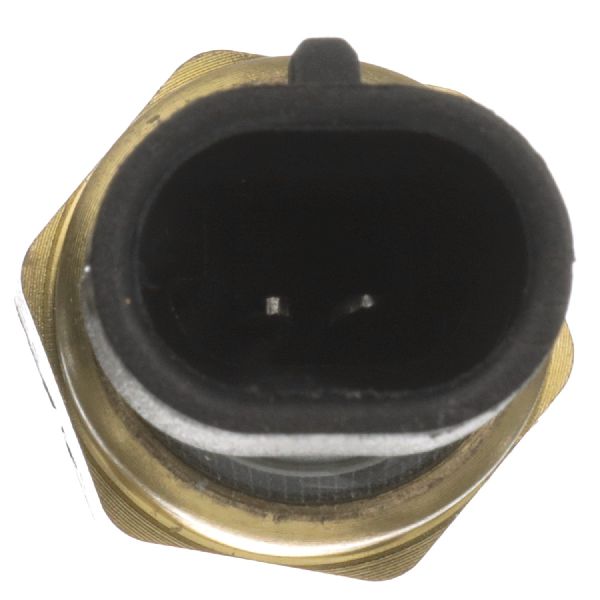
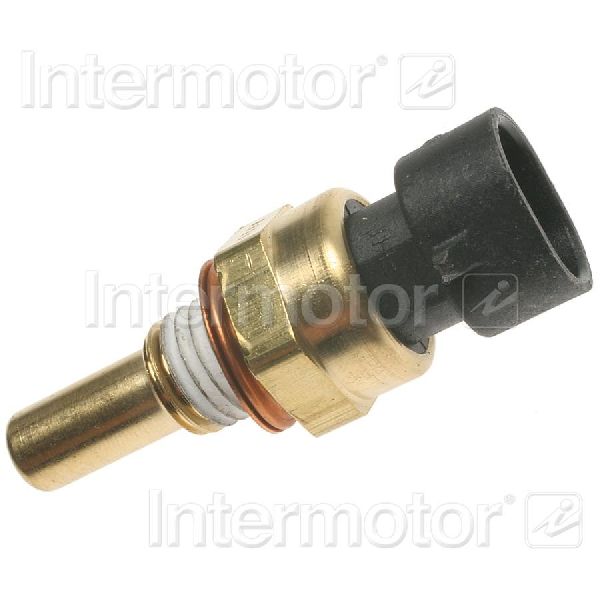
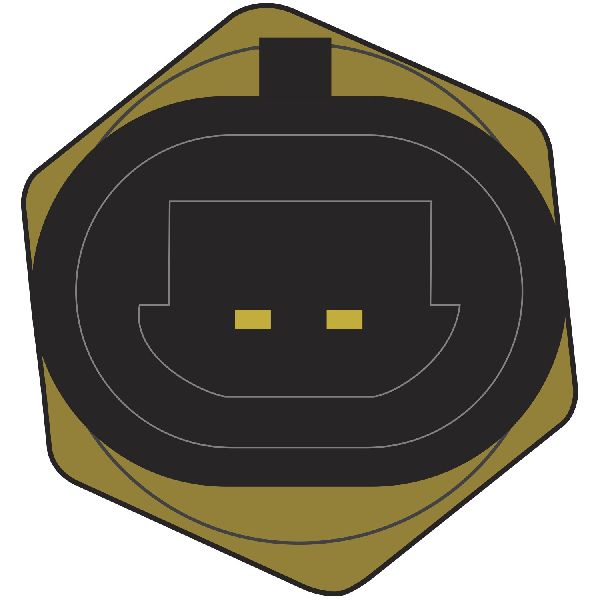
Before you buy, it's a good idea to look at the old sensor on your truck. Check the shape of the electrical connector and the number of pins to ensure the new part is an exact match. Also, inspect the wiring harness connector for any signs of corrosion or damage, as this can cause the same symptoms as a bad sensor. A new connector pigtail is an inexpensive part that can prevent future issues.
Cost to Replace a Chevrolet Avalanche ECT Sensor
Replacing the ECT sensor is one of the more affordable repairs you can perform. The part itself is inexpensive, and labor is minimal because the sensor is usually easy to access.
| Item | Estimated Cost |
|---|---|
| New Aftermarket Sensor | $16 - $42 |
| Shop Labor | $60 - $120 |
| Total Estimated Cost (DIY) | $16 - $42 |
| Total Estimated Cost (Shop) | $76 - $162 |
Note: The shop labor cost estimates from some national chains can be unusually high and may include extensive diagnostic time or other bundled services. The actual labor for a straightforward sensor swap should be around 0.5 to 1.0 hours.
Frequently Asked Questions
Where is the ECT sensor on a 2007-2013 Avalanche?
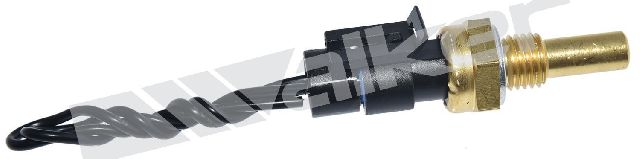
The engine coolant temperature sensor is typically located on the driver's side of the engine, screwed into the cylinder head, near the front-most spark plug. You can often find it by following the upper radiator hose back to the engine. It's a small sensor with a two-wire electrical connector.
What happens if I don't replace a bad ECT sensor?
Ignoring a faulty ECT sensor can lead to several problems. Your engine may run rich, causing poor fuel economy, black smoke from the exhaust, and increased engine wear. Conversely, if the sensor fails to report an overheating condition, the cooling fans may not turn on, leading to severe engine damage.
Is an aftermarket sensor as good as the OEM part for my Avalanche?
It depends on the brand. A high-quality aftermarket brand like Delphi (which was an original GM supplier) or ACDelco Professional will perform just like the original part. Other reputable aftermarket brands are also very reliable. For a critical but inexpensive sensor like the ECT, it's generally recommended to choose a well-known brand over the cheapest option available.
Could my problem be the thermostat instead of the sensor?
Yes, absolutely. A thermostat that is stuck open is a very common cause for the P0128 trouble code. This makes the engine warm up very slowly, and the computer flags it as a fault. If your main symptom is a P0128 code and the engine never seems to reach full operating temperature (around 210°F), the thermostat is the most likely culprit.
Technical Specifications
OEM Part Numbers: 12608814 15326386 213-4514 213-928
Typically a 2-pin sensor with M12x1.5 threads.
We Have This Part in Stock


The information in this article is provided for general reference and educational purposes only. Vehicle specifications, procedures, and part compatibility can vary by production date, trim level, and region. Always consult your vehicle's factory service manual and verify part numbers before purchasing or performing repairs. Safety-critical components such as airbags, seat belts, and braking systems should be installed by a qualified professional.
- Chevrolet Avalanche: