

Choosing the Right Spark Plugs for Your 2007-2013 Chevrolet Avalanche
Keep your Avalanche's V8 engine running strong by understanding your spark plug options and avoiding common issues.
- Stick with Iridium spark plugs from ACDelco or NGK for the best performance and longevity, matching the original equipment.
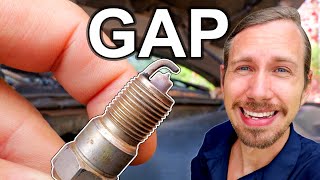
- Always verify the spark plug gap is 0.040 inches before installation, even if the plugs are advertised as pre-gapped.
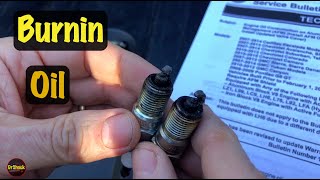
- Due to potential oil fouling from the AFM system, inspect plugs in cylinders 1 and 7 more frequently than the 100,000-mile interval.
- Consider replacing spark plug wires at the same time to prevent issues with loose connections, which can cause misfires.
Signs of Failing Spark Plugs

When your spark plugs are wearing out, your Avalanche will usually let you know. You might notice one or more of these symptoms:
- Rough Idling: The engine may shake or vibrate more than usual when you're stopped.
- Engine Misfires: You might feel a stutter or hesitation from the engine, especially when accelerating. This can trigger a flashing Check Engine Light.
- Reduced Fuel Economy: If you're filling up the tank more often than you used to, failing plugs could be the cause.
- Poor Acceleration: The truck may feel sluggish or slow to respond when you press the gas pedal.
- Check Engine Light: A steady or flashing Check Engine Light is a common sign. Misfire codes like P0300 (random misfire) or P0301-P0308 (specific cylinder misfire) often point to spark plug issues.
A Note on Active Fuel Management (AFM)
The 5.3L and 6.0L V8 engines in this generation of Avalanche use Active Fuel Management (AFM), which deactivates cylinders to save fuel. This system can sometimes cause increased oil consumption, which leads to spark plugs in specific cylinders (often #1 and #7) becoming fouled with oil and failing prematurely. 🎬 Watch how AFM causes oil fouling on specific spark plugs. This was the subject of GM Technical Service Bulletins and even a class-action lawsuit. If you have recurring misfires on AFM cylinders, you may need to inspect your plugs more frequently than the recommended 100,000-mile interval.
Choosing the Right Aftermarket Spark Plugs

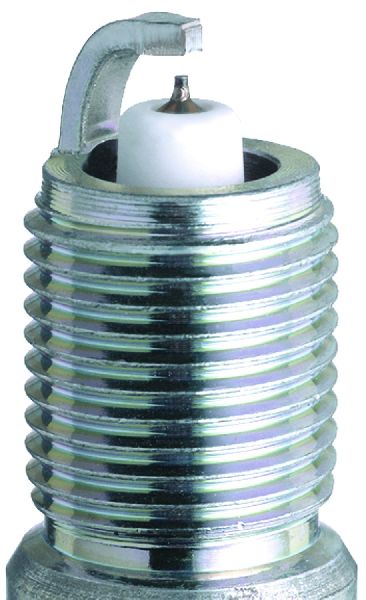
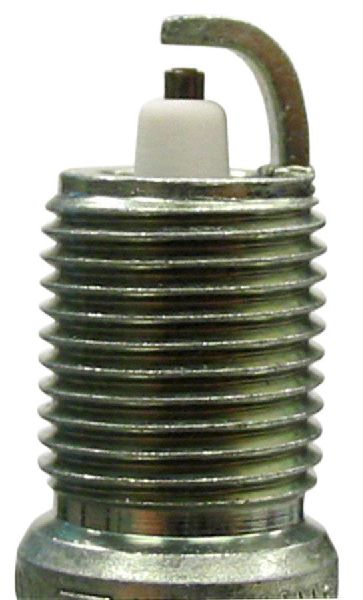
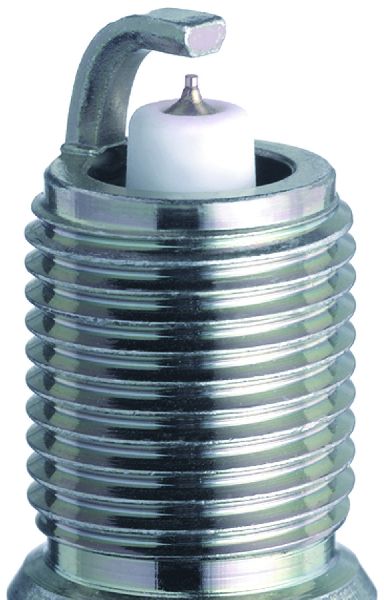
When it comes to spark plugs for your Avalanche, the material makes a big difference in performance and lifespan. The original factory plugs were typically Iridium. While cheaper copper plugs are available, sticking with Iridium or Platinum is highly recommended for these engines.
Brand Quality Tiers
- Top Tier (OEM Equivalent): ACDelco and NGK are the top choices. ACDelco is the original equipment manufacturer (OEM) brand, and many owners report that NGK actually manufactures the plugs for ACDelco. You can't go wrong with either ACDelco Professional Iridium or NGK Laser Iridium/Laser Platinum plugs for factory-level performance and longevity.
- Quality Aftermarket: Brands like Denso and Bosch offer excellent Iridium and Platinum plugs that are a reliable alternative to OEM. They are engineered for long life and consistent performance.
- Standard/Economy: Brands like Autolite and Champion offer more budget-friendly options, including copper plugs. While functional, they will not last as long as Iridium or Platinum plugs and may need to be changed much more frequently, sometimes as often as every 30,000 miles.
Check the Gap!
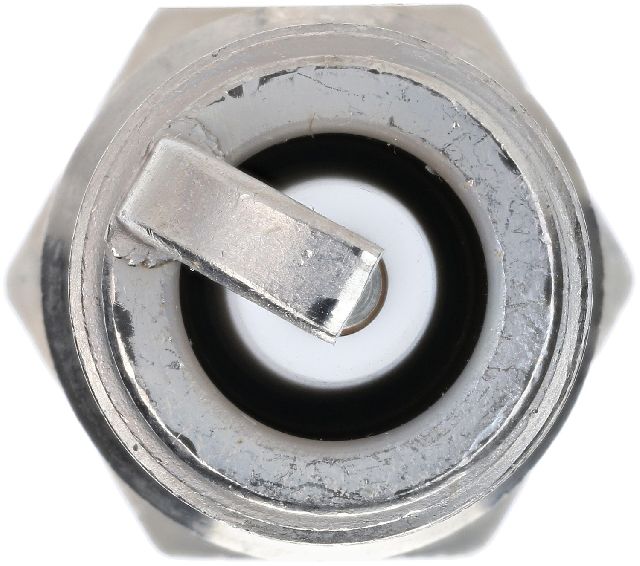
Most modern Iridium and Platinum plugs come pre-gapped. However, it's always a good idea to double-check the gap before installation. The correct gap for the 2007-2013 Avalanche is 0.040 inches. An incorrect gap can lead to misfires and poor performance.
Cost of Spark Plug Replacement
The cost can vary depending on the plugs you choose and whether you do the job yourself or hire a professional.
| Item | Estimated Cost |
|---|---|
| New Aftermarket Spark Plugs (Set of 8) | $32 - $165 |
| Shop Labor | $211 - $310 |
| Total Professional Replacement | $322 - $422+ |
Frequently Asked Questions

How often should I replace the spark plugs on my Avalanche?
For Iridium or Platinum plugs, the recommended interval is typically every 100,000 miles. However, due to potential oil consumption issues from the AFM system, it's wise to inspect them every 30,000-40,000 miles, especially if you notice any performance issues. Copper plugs need to be replaced much more frequently.
Is replacing the spark plugs a DIY job?
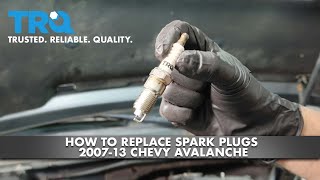
Yes, for many owners this is a manageable DIY task. You will need a 5/8" spark plug socket, a ratchet with extensions, and a torque wrench. The front plugs are easy to access, but the rear plugs, especially on the passenger side, can be more challenging due to tight clearance. Always work on a cold engine and clean the area around the plug before removing it to prevent debris from falling into the cylinder.
Should I use anti-seize on the new spark plugs?
Many modern spark plugs from brands like NGK and Bosch have a special nickel plating that prevents seizing, and they recommend NOT using anti-seize compound. Applying it can alter the torque reading and lead to over-tightening, which can damage the plug or the engine's cylinder head. Always check the plug manufacturer's instructions.
What are the torque specs for the spark plugs?
The recommended torque for spark plugs on these engines is 11 ft-lbs. It is important to use a torque wrench to tighten them correctly. Over-tightening can damage the threads in the aluminum cylinder heads, leading to a very expensive repair.
Should I replace the spark plug wires at the same time?
It's a good practice to replace the spark plug wires when you replace the plugs, especially on a higher-mileage vehicle. Wires can degrade over time, leading to weak spark and misfires. A GM Technical Service Bulletin (TSB) noted that loose-fitting wires at the coil pack could cause misfire codes (P0300-P0308). Using a quality set of wires like those from ACDelco is recommended.
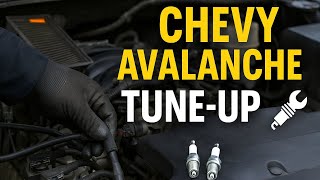
🎬 Follow this step-by-step guide for a full tune-up and wire replacement.Helpful Videos
Technical Specifications
OEM Part Numbers: ACDelco 41-110 ACDelco 41-962 ACDelco 41-162 GM 12621258 GM 19299585
Socket Size: 5/8 inch Gap: 0.040 inches Recommended Material: Iridium Torque Spec: 11 ft-lbs
We Have This Part in Stock


The information in this article is provided for general reference and educational purposes only. Vehicle specifications, procedures, and part compatibility can vary by production date, trim level, and region. Always consult your vehicle's factory service manual and verify part numbers before purchasing or performing repairs. Safety-critical components such as airbags, seat belts, and braking systems should be installed by a qualified professional.
- Chevrolet Avalanche: