

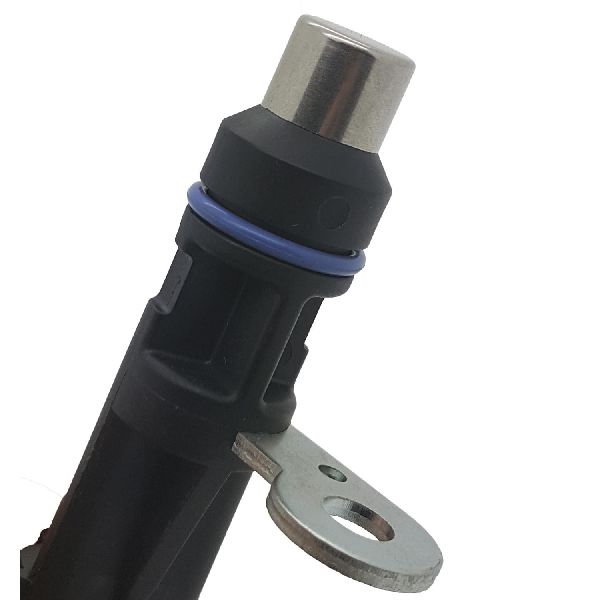
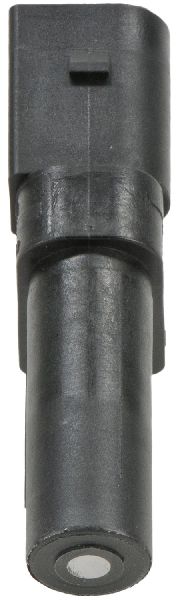
Jeep Grand Cherokee (2007-2013) Engine Crankshaft Position Sensor Guide
Having trouble with stalling or starting your WK Grand Cherokee? Your crankshaft position sensor might be the culprit.
- Symptoms like stalling and no-start are classic signs of a bad crankshaft sensor on a WK Grand Cherokee.
- Don't cheap out on this part. Stick with Mopar, NGK/NTK, Bosch, or Delphi to avoid replacing it again soon.
- The replacement can be a frustrating DIY job due to tight access, but it is possible with the right tools and patience.
- Rule out a faulty TIPM, especially on 2011-2013 models, as it can cause similar symptoms.
Is Your Grand Cherokee Stalling or Not Starting?
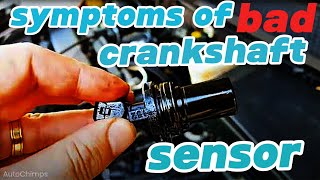
One of the most common and frustrating issues for 2007-2013 Jeep Grand Cherokee owners is sudden engine stalling or a no-start condition. Often, the cause is a failing engine crankshaft position sensor (also called a CKP sensor). This small sensor plays a huge role in how your engine runs, and when it starts to fail, it can cause major headaches. 🎬 Watch: 7 common symptoms of a bad crankshaft sensor Symptoms often appear when the engine gets hot and may disappear after it cools down, only to return later.
A Related Known Issue: The TIPM
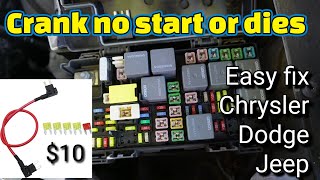
It's important to know that many symptoms of a bad crankshaft sensor—like stalling, cranking but not starting, and other electrical problems—are also symptoms of a faulty Totally Integrated Power Module (TIPM). The 2011-2013 Grand Cherokee models, in particular, were known for TIPM issues. Before replacing your crank sensor, it's wise to rule out a TIPM problem, as it was the subject of recalls 🎬 See how to fix a crank-no-start issue easily and numerous owner complaints.
Choosing the Right Aftermarket Sensor
When it comes to critical sensors like the crankshaft position sensor, not all aftermarket parts are created equal. For Jeeps, using a low-quality sensor can cause more problems than it solves, with many failing right out of the box or within a few weeks. Owners and mechanics strongly recommend sticking to OEM or high-quality aftermarket brands to avoid doing the job twice.
Brand Quality Tiers
- Tier 1: OEM & Premium Aftermarket (Recommended): These are your best bet for reliability. Mopar is the original factory part. NGK/NTK is widely reported to be the original manufacturer for Mopar, making it an excellent and often more affordable choice. Brands like Bosch and Delphi are also trusted OEM suppliers with a strong reputation.
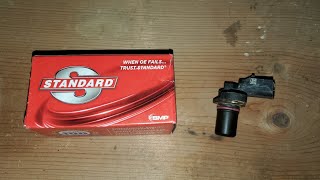
- Tier 2: Reputable Aftermarket: Brands like Standard Motor Products (SMP) and NAPA's Echlin line are generally considered reliable mid-tier options that many people have used successfully.
- Tier 3: Budget Brands: While the low price is tempting, ultra-cheap, unbranded sensors found online are a significant gamble. They are known for high failure rates, incorrect readings leading to poor performance, and are generally not recommended for a part this critical and difficult to access.
Pro Tip: Many Jeep owners recommend replacing the camshaft position sensor at the same time as the crankshaft sensor. Since they work together and are of the same age, it can be preventative maintenance to replace both.
How Much Does a Replacement Cost?
The cost can vary depending on the part brand and labor rates in your area. The part itself is relatively inexpensive, but the labor can be significant due to the sensor's difficult location on many engines.
| Item | Estimated Cost |
|---|---|
| New Aftermarket Sensor | $17 - $126 |
| New OEM (Mopar) Sensor | $57 - $108 |
| Shop Labor | $78 - $140 |
| Total Professional Replacement | $135 - $248+ |
Frequently Asked Questions
Where is the crankshaft position sensor located?
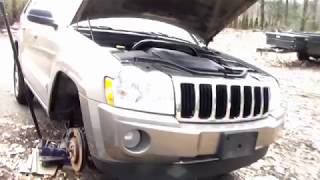
The location varies by engine. On the 3.6L V6, it's on the lower passenger side of the engine, accessible from behind the wheel well. On the 5.7L HEMI, it's also on the passenger side, near the rear of the engine block above the oil pan. 🎬 Watch this step-by-step 5.7 Hemi sensor replacement walkthrough For the 3.0L Diesel, it's on the back of the engine. Access is often tight and may require removing other components like skid plates or the starter.
Can I replace this sensor myself?
Yes, this is a DIY-feasible job for someone with mechanical experience. However, it can be very frustrating due to the tight location. You will likely need a ratchet with several long extensions and a swivel socket to reach the bolt. On some models, you may need to remove the starter to gain access. Patience is key.
What happens if I don't replace a failing sensor?
You will continue to experience symptoms that will likely get worse. This includes random stalling, which can be dangerous in traffic, and eventually, a no-start condition that will leave you stranded. It can also lead to reduced fuel economy and rough engine performance.
Are there any recalls for this part?
While there isn't a widespread recall for the sensor itself on all 2007-2013 models, there was a recall (NHTSA 20V-475, expanded by 66A/23V411000) for the crankshaft position sensor *tone wheel* on some 2014-2020 models with the 3.0L Diesel engine, which can cause identical stalling symptoms. It's always best to check for recalls using your vehicle's VIN on the NHTSA website.
Helpful Videos
Technical Specifications
The crankshaft position sensor for the Jeep Grand Cherokee is a Hall-effect sensor that generates a digital square wave signal for the powertrain control module (PCM). The PCM uses this signal to determine crankshaft speed and position for ignition timing and fuel injection control.
We Have This Part in Stock


The information in this article is provided for general reference and educational purposes only. Vehicle specifications, procedures, and part compatibility can vary by production date, trim level, and region. Always consult your vehicle's factory service manual and verify part numbers before purchasing or performing repairs. Safety-critical components such as airbags, seat belts, and braking systems should be installed by a qualified professional.
- Jeep Grand Cherokee: