

Ignition Knock Sensor Guide for the 2007-2014 Chevrolet Express 1500
Keep your Express van's V6 or V8 engine running safely and efficiently by understanding and replacing a faulty knock sensor.
- On V8 models, knock sensors are under the intake manifold, making replacement a labor-intensive job.
- Always replace both knock sensors and the wiring harness at the same time due to the difficult access.
- Use high-quality brands like ACDelco or Delphi to avoid premature failure and having to do the job again.
- Water intrusion causing corrosion is the most common cause of failure; consider adding RTV silicone to prevent it from happening again.
Is Your Express Van Trying to Tell You Something?

A failing knock sensor on your 2007-2014 Chevrolet Express 1500 can cause more than just a Check Engine Light. You might notice the engine feels sluggish, your fuel economy gets worse, or you may hear a pinging or knocking sound, especially when the engine is working hard. These symptoms are your engine's way of telling you it can't properly protect itself from harmful detonation.
A Common and Difficult-to-Access Problem
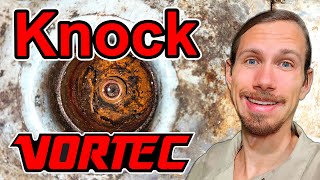
On the V8 engines common in these vans (4.8L, 5.3L, 6.0L), the two knock sensors are located in a very inconvenient spot: under the intake manifold, in the valley of the engine block. This location makes them prone to a common failure where water and debris collect in the sensor cavities, causing the sensors and the wiring harness to corrode. Because of this, the replacement job is more complex than for many other sensors.
Choosing the Right Aftermarket Knock Sensor

Because replacing these sensors requires significant labor to remove the intake manifold, choosing a high-quality, reliable part is extremely important to avoid doing the job twice. While many brands are available, they generally fall into a few quality tiers.
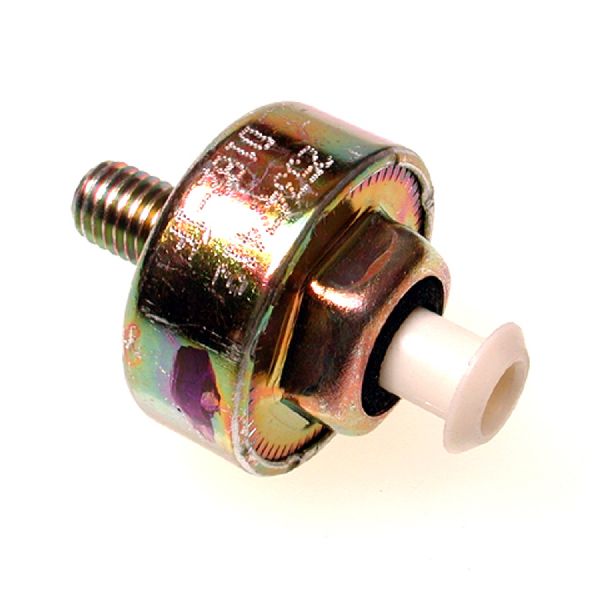
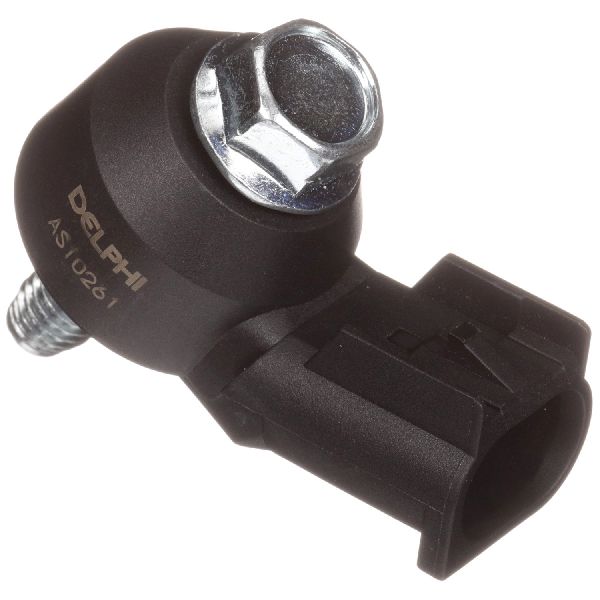
- Top Tier (OEM & OEM-Equivalent): ACDelco is the original equipment manufacturer (OEM) for GM, and Delphi is also a major OEM supplier that often makes the same part. These are widely considered the most reliable choices. Choosing one of these brands provides the greatest peace of mind that the part will perform correctly.
- Trusted Aftermarket Brands: Brands like NGK/NTK, Standard Motor Products (SMP), and Walker Products have a solid reputation for producing quality sensors. These can be a good alternative to OEM parts.
- Economy Brands: While more affordable, budget-friendly brands can be a gamble in terms of quality and longevity. Given the difficulty of this specific repair, saving a few dollars on the part itself could lead to much higher costs if it fails prematurely and the job has to be redone.
Pro Tip: Always replace the knock sensor wiring harness at the same time as the sensors. The harness is inexpensive and is exposed to the same heat and moisture that causes the sensors to fail. Many owners also create a silicone (RTV) dam around the sensor holes after installation to help prevent future water intrusion.
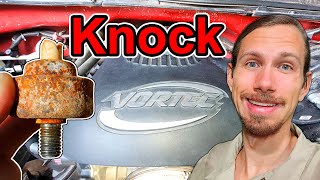
🎬 Watch these essential tips for a successful knock sensor replacement.How Much Does a Knock Sensor Replacement Cost?
The cost can vary, but the main expense is labor due to the location of the sensors.
| Part/Service | Estimated Cost |
|---|---|
| New Aftermarket Sensors (Set of 2) | $30 - $170 |
| New Aftermarket Harness | $20 - $60 |
| Shop Labor | $127 - $260+ |
| Total Estimated Cost | $177 - $490+ |
Frequently Asked Questions
Where are the knock sensors located on the Express 1500?
For the V8 engines (4.8L, 5.3L, 6.0L), there are two sensors located under the intake manifold. For the 4.3L V6, the sensor is typically on the side of the engine block. This guide focuses on the more common and problematic V8 setup.
Can I replace the knock sensors myself?
If you have a V8, this is a challenging DIY job. It requires removing the fuel lines, wiring, and the entire intake manifold to gain access. It is feasible for an experienced home mechanic, but it is time-consuming and requires careful work. The sensors must also be torqued to a specific value (typically 15 ft-lbs) to function correctly.
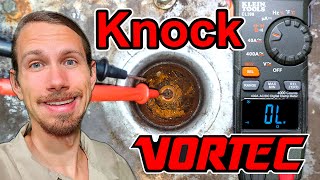
🎬 See how to test your sensors before finishing the job.What happens if I ignore a bad knock sensor?
Ignoring a bad knock sensor will cause the Check Engine Light to stay on, leading to a failed emissions test. Your van will also have reduced power and poor fuel economy because the computer will default to a "safe" mode with retarded ignition timing. Most importantly, the engine will have no protection against damaging detonation.
Do I need to replace both sensors if only one has a code?
Yes. Because of the significant labor involved in accessing the sensors, it is highly recommended to replace both sensors and the wiring harness at the same time. The second sensor has been exposed to the same conditions and is likely to fail soon.
Are there any recalls or TSBs for this issue?
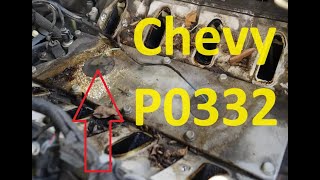
Searches did not find any specific recalls for knock sensors on the 2007-2014 Express 1500. However, GM has issued Technical Service Bulletins (TSBs) for similar vehicles with the same engines that experience issues with water intrusion causing corrosion and DTCs P0327 and P0332. 🎬 Learn how to diagnose and fix the P0332 trouble code. Other TSBs mention software anomalies or wiring issues that can trigger knock sensor codes.
Helpful Videos
Technical Specifications
OEM Part Numbers: 12589867 12623744 10456603
For V8 models, two sensors are required. They are located under the intake manifold and must be torqued to 15 ft-lbs. The associated wiring harness runs through the engine valley and connects both sensors to a single plug at the rear of the manifold.
We Have This Part in Stock


The information in this article is provided for general reference and educational purposes only. Vehicle specifications, procedures, and part compatibility can vary by production date, trim level, and region. Always consult your vehicle's factory service manual and verify part numbers before purchasing or performing repairs. Safety-critical components such as airbags, seat belts, and braking systems should be installed by a qualified professional.
- Chevrolet Express 1500: