

A Guide to Replacing Oxygen Sensors on Your 2007-2014 Chevrolet Express 1500
Keep your work van running strong by learning how to spot a bad O2 sensor and choose the right aftermarket replacement.
- Your Express 1500 has four O2 sensors; use a code scanner to identify the specific one that failed before buying a replacement.
- For reliability, choose premium aftermarket brands like ACDelco, Denso, or NGK/NTK, which are often identical to the original factory part.
- Upstream and downstream sensors are not the same; ensure you purchase the correct part for the specific location (e.g., Bank 1, Sensor 2).
- A special O2 sensor socket and penetrating oil are highly recommended to make the replacement job much easier.
Is Your Express 1500 Showing Signs of a Bad Oxygen Sensor?

A failing oxygen sensor won't leave you stranded, but it will cause problems that you'll notice. The most common symptom is the Check Engine Light appearing on your dashboard. Other signs include noticeably worse fuel mileage, a rough or shaky idle, and hesitation when you accelerate. In some cases, you might smell rotten eggs from the exhaust. Ignoring these symptoms can eventually lead to damage to your catalytic converters, which is a much more expensive repair.
Voluntary Emissions Recall for 2011-2013 Models
General Motors issued a voluntary emissions recall for some 2011-2013 Chevrolet Express models. On these vans, condensation from the catalytic converter could enter the Bank 2 oxygen sensors and cause them to fracture, triggering the check engine light. The official fix from dealers was to replace both Bank 2 sensors and reprogram the engine's computer. If you own a van from this period, it's worth checking if this repair was performed.
Choosing the Right Aftermarket O2 Sensor

When it comes to electronic parts like oxygen sensors, the brand you choose matters. For the Chevrolet Express, sticking with brands that are known OEM (Original Equipment Manufacturer) suppliers is your best bet for reliability and performance.
- Premium Brands (OEM Equivalent): ACDelco is the genuine GM parts brand and a guaranteed fit. Denso and NGK (NTK) are often the actual manufacturers for GM's factory sensors. Choosing one of these brands is highly recommended for a long-lasting, trouble-free repair. Many professional mechanics and experienced owners in forums stand by these brands for their reliability.
- Quality Aftermarket Brands: Bosch invented the modern O2 sensor and is a trusted name, though some forum users have reported mixed results on GM trucks. Delphi and Walker Products are also established aftermarket brands that offer a good balance of quality and price.
- Budget-Friendly Brands: Brands like DriveWire and other less-known names are more affordable. However, they may not have the same durability or precision as premium brands, potentially leading to a shorter service life. 🎬 Check out this buying guide for the best oxygen sensor reviews.
Important: Upstream vs. Downstream
Upstream (Bank 1, Sensor 1 and Bank 2, Sensor 1) and downstream (Bank 1, Sensor 2 and Bank 2, Sensor 2) sensors are physically different and have different wire lengths. They are not interchangeable. Always use a code scanner to identify which specific sensor has failed and purchase the correct part for that exact location.
DIY Replacement: Tips for Success

Replacing an O2 sensor is a manageable job for a DIY mechanic. The biggest challenge is often removing the old sensor, which can be seized in the exhaust pipe from years of heat and rust.
- Use the Right Tools: An O2 sensor socket is essential. It's a special socket with a slot cut out for the wire.
- Soak it First: Liberally spray the threads of the old sensor with penetrating oil and let it soak. Doing the replacement when the exhaust is warm (not hot) can also help loosen it.
- Anti-Seize is Your Friend: Your new sensor should come with a small packet of anti-seize compound. Apply it to the threads (but not the sensor tip!) to make future removal much easier. 🎬 Watch this video for expert tips on diagnosing and replacing sensors.
Frequently Asked Questions

How many oxygen sensors does my 2007-2014 Express 1500 have?
Your van has four oxygen sensors. There are two upstream sensors (before the catalytic converters) and two downstream sensors (after the catalytic converters).
Should I replace all four O2 sensors at once?
It's not usually necessary. Oxygen sensors are wear items, but they don't always fail at the same time. It is most cost-effective to use an OBD-II scanner to identify the specific faulty sensor and replace only that one. However, if the sensors are very old and one fails, others may not be far behind.
Can I clean an old oxygen sensor?
Cleaning an O2 sensor is not a recommended or reliable fix. The sensing element becomes contaminated and degraded internally over time. The only way to ensure proper performance and turn off the check engine light for good is to install a new sensor.
What do the different check engine codes for O2 sensors mean?
Codes like P0135 or P0155 point to a failure in the heater circuit of the sensor. Codes like P0131 (low voltage) or P0138 (high voltage) indicate a problem with the sensor's signal. The code will also specify the location, such as "Bank 1, Sensor 1" (upstream, driver's side) or "Bank 2, Sensor 2" (downstream, passenger's side).
🎬 Learn how to diagnose and fix O2 sensor trouble codes.Helpful Videos
Technical Specifications
OEM Part Numbers: 12637297 12656071 12612571
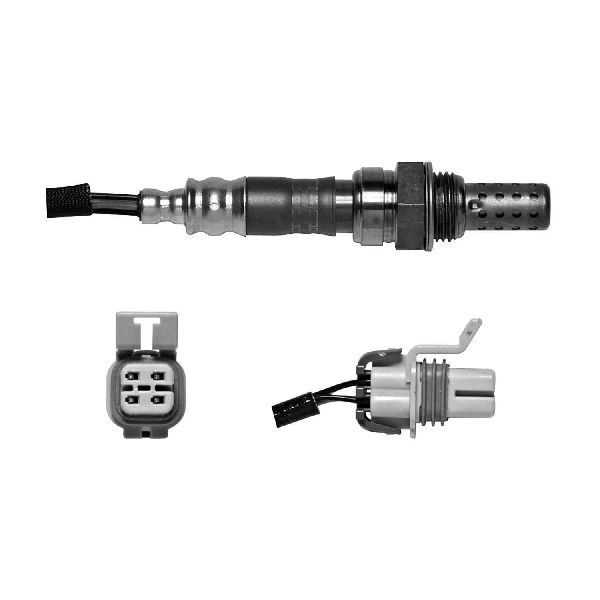
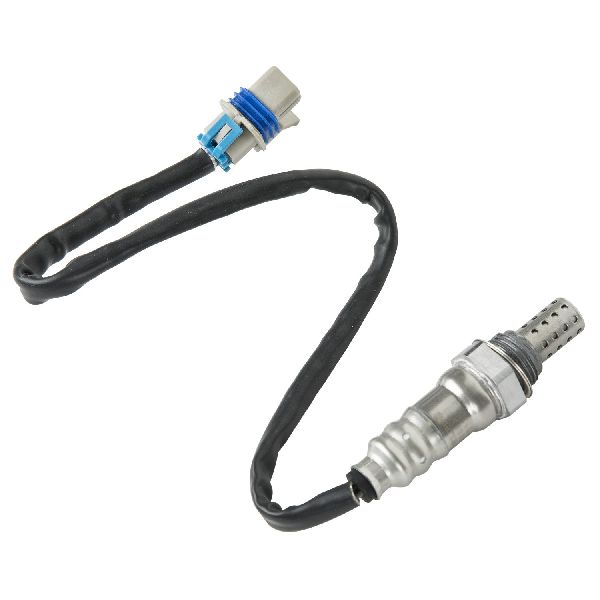
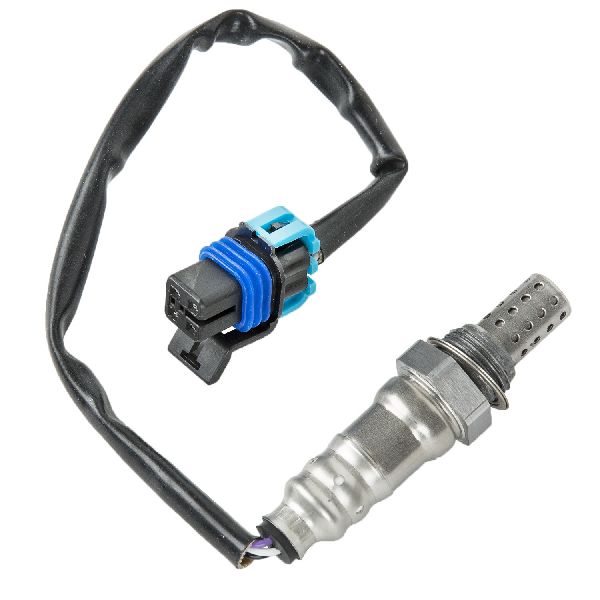
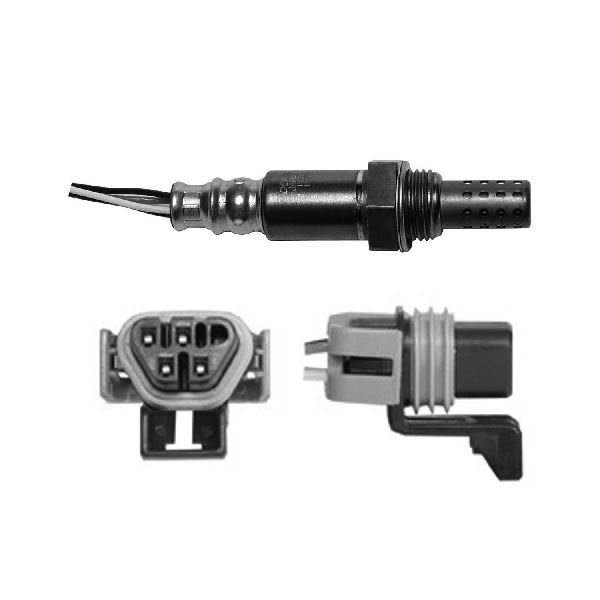
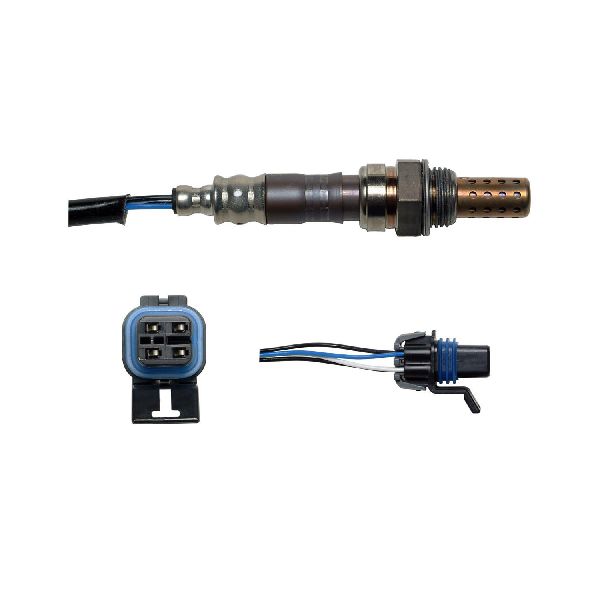
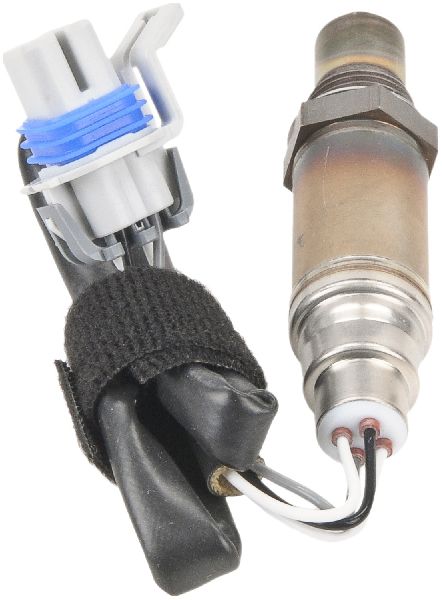
Most sensors for this application are of the heated, 4-wire type. The wire harness length and connector style are specific to each of the four locations. The thread size is typically M18x1.5.
We Have This Part in Stock

The information in this article is provided for general reference and educational purposes only. Vehicle specifications, procedures, and part compatibility can vary by production date, trim level, and region. Always consult your vehicle's factory service manual and verify part numbers before purchasing or performing repairs. Safety-critical components such as airbags, seat belts, and braking systems should be installed by a qualified professional.
- Chevrolet Express 1500: