

A Guide to the 2007-2014 Dodge Avenger Catalytic Converter
Experiencing a check engine light or power loss? Your catalytic converter may be the reason.
- If you own a 2011-2014 Avenger with a 2.0L or 2.4L engine, check if your car is eligible for the free catalytic converter replacement under Emissions Recall U67.
- A P0420 or P0430 code is the most common sign of failure, but always diagnose O2 sensors and exhaust leaks first to avoid a misdiagnosis.
- V6 engines have two converters; the rear one (Bank 1) is significantly more difficult and costly to replace than the front one.
- Cheaper aftermarket converters can save money but may not have enough precious metals to satisfy the Avenger's computer, potentially causing the check engine light to return.
Is Your Avenger's Catalytic Converter Failing?
A failing catalytic converter can cause frustrating problems, from a constant check engine light to poor engine performance. The most common sign is the check engine light illuminating with a P0420 (Bank 1) or P0430 (Bank 2) trouble code. Bank 1 on V6 models refers to the converter on the firewall side of the engine, while Bank 2 is on the radiator side. 4-cylinder models only have Bank 1.
Other common symptoms include:
- Sluggish Acceleration: The car may feel weak or hesitant when you press the gas pedal. This happens when the inside of the converter breaks apart and clogs the exhaust flow.
- Rotten Egg Smell: A strong sulfur or rotten egg smell from the exhaust is a sign that the converter is not properly processing the gases.
- Rattling Noises: You might hear a rattling sound from under the car, especially on startup or when accelerating. This is caused by the ceramic honeycomb inside the converter breaking into pieces.
- Reduced Fuel Economy: A clogged converter makes your engine work harder, causing it to use more fuel.
IMPORTANT: Check for Emissions Recall U67
Chrysler issued a recall (NHTSA ID: U67) for some 2011-2014 Dodge Avenger models with the 2.0L and 2.4L front-wheel-drive engines. The original converters on these cars could fail early. The recall provides for a free replacement of the catalytic converter and a software update. Before buying a new part, contact a Dodge dealer with your Vehicle Identification Number (VIN) to see if your car is covered and if the repair was already performed.
Choosing the Right Aftermarket Converter
When replacing the converter, you have a choice between OEM (Original Equipment Manufacturer) and various aftermarket brands. Dodge vehicles can be sensitive, and choosing the wrong part can mean the check engine light comes back on.
OEM vs. Aftermarket Quality
OEM Mopar converters are expensive but are designed specifically for your Avenger's emissions system. They have the right amount of precious metals to work correctly and are the surest way to keep the check engine light off.
Premium Aftermarket Brands (e.g., MagnaFlow, Walker): These brands are well-known and often build high-quality parts that meet EPA standards. They are a good middle ground, offering reliable performance for less than an OEM part. Walker is a known OEM supplier, but some users have reported mixed long-term durability.
Standard/Economy Aftermarket Brands (e.g., Davico, Eastern Catalytic, AP Exhaust, Evan Fischer): These brands offer significant cost savings. However, the fit can sometimes be imperfect, requiring minor adjustments during installation. More importantly, some lower-cost converters may contain fewer precious metals, which can be insufficient for the Avenger's sensitive computer, potentially causing the P0420 code to return. These are often a viable option for getting a car to pass an emissions test on a budget, but may not be a lifetime solution.
Cost of Replacing a Dodge Avenger Catalytic Converter
The total cost depends heavily on your engine and the parts you choose. V6 models are more expensive as they have two converters, and the rear one (Bank 1) is much harder to access, increasing labor time.
| Part / Service | Estimated Cost (2.4L I4) | Estimated Cost (V6 Models, Per Converter) |
|---|---|---|
| New OEM (Mopar) Part | $350 - $500 | $1,300 - $1,500 |
| New Aftermarket Part | $140 - $550 | $200 - $800 |
| Shop Labor | $150 - $300 (1-2 hours) | $200 - $600+ (2-4+ hours) |
| Estimated Total (Aftermarket) | $290 - $850 | $400 - $1,400+ (per converter) |
Costs are estimates and can vary by location and the specific parts chosen. The rear (Bank 1) converter on V6 models will be at the high end of the labor cost range due to difficulty.
Frequently Asked Questions
Can I just clean my catalytic converter?
Some fuel-additive products claim to clean converters, and they might help with very minor buildup. However, they cannot repair a converter that is physically broken inside (rattling) or one that is melted and clogged from an engine problem. In most cases where symptoms are present, replacement is the only real solution.
What's the difference between EPA and CARB-compliant converters?
CARB (California Air Resources Board) converters are built to a higher standard and are required for vehicles registered in California, New York, and other states that have adopted CARB emissions laws. EPA (Federal) converters are for all other states. Installing a non-CARB part in a CARB state will cause you to fail your emissions inspection. Always check your state's requirements before buying.
Why did my original converter fail?
Besides the potential defect covered by Recall U67, converters usually fail because of an engine problem. Issues like engine misfires, leaking fuel injectors, or burning oil can send unburned fuel into the exhaust, which superheats and melts the inside of the converter. It is critical to fix the root cause of the failure, or your new converter will likely fail as well.
How hard is it to replace the converter myself?
For the 2.4L engine, the converter is a direct-fit manifold that is relatively accessible. On V6 models, the front converter (Bank 2) is also manageable for a DIYer with good tools. However, the rear converter (Bank 1) is very difficult to access and may require removing other components. For most people, replacing the rear converter is a job best left to a professional.
Technical Specifications
OEM Part Numbers: 68036151AM 68036150AL CEZGU673AA
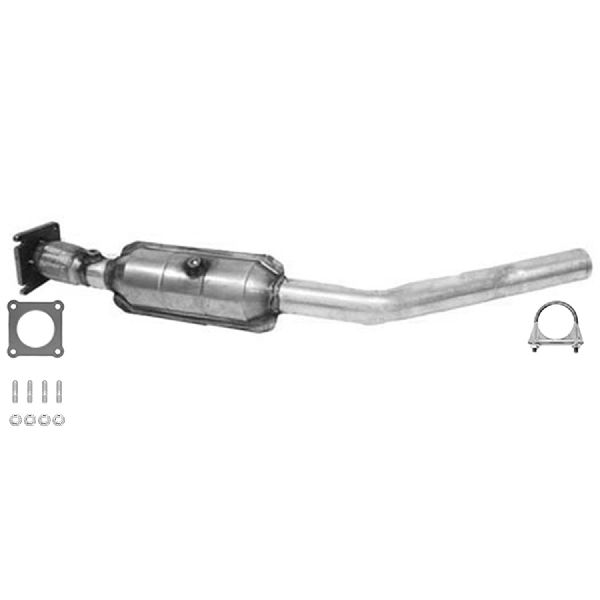
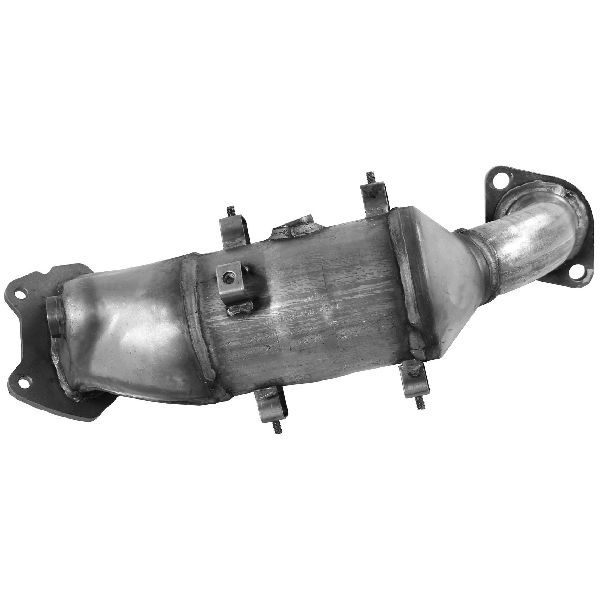
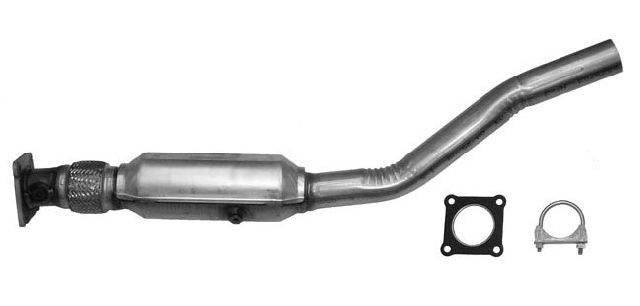
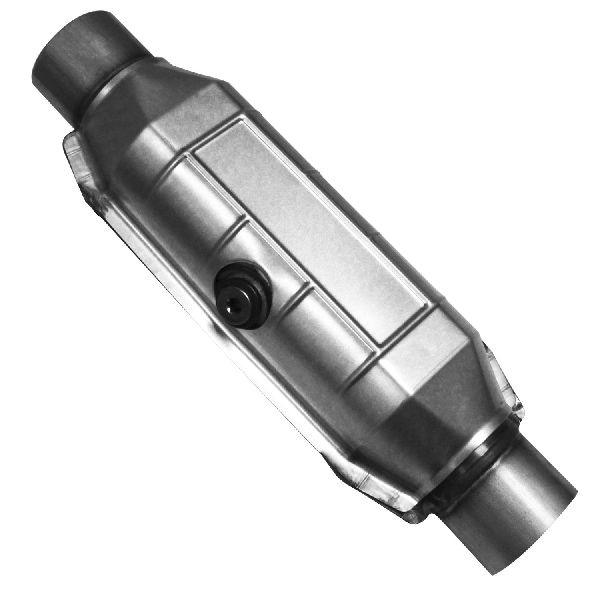
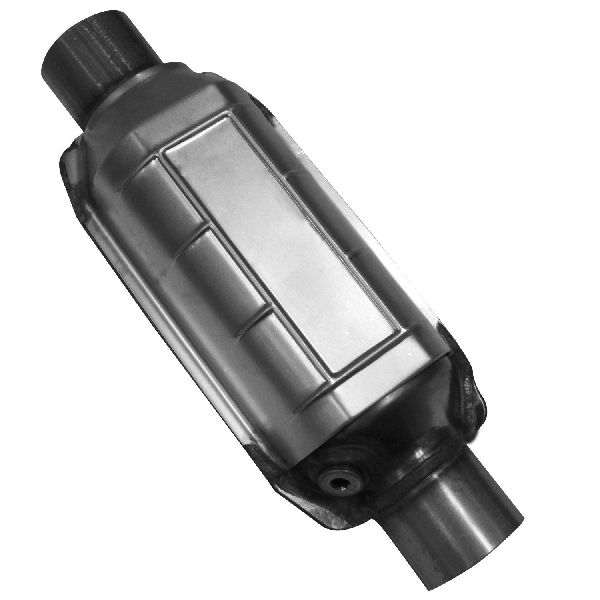
The 2007-2014 Dodge Avenger uses a manifold-style catalytic converter. 4-cylinder engines (2.0L, 2.4L) use a single converter. V6 engines (2.7L, 3.5L, 3.6L) use two converters, one for each cylinder bank (Bank 1/Rear and Bank 2/Front). All are direct-fit, bolt-on units with ports for two oxygen sensors.
We Have This Part in Stock

The information in this article is provided for general reference and educational purposes only. Vehicle specifications, procedures, and part compatibility can vary by production date, trim level, and region. Always consult your vehicle's factory service manual and verify part numbers before purchasing or performing repairs. Safety-critical components such as airbags, seat belts, and braking systems should be installed by a qualified professional.
- Dodge Avenger: