

Dodge Avenger Engine Coolant Temperature Sensor: A Complete Guide (2007-2014)
Is your Avenger's temperature gauge acting up or is it running rough? Your coolant sensor might be the problem.
- A failing ECT sensor on an Avenger can cause overheating, poor fuel economy, and a check engine light.
- For critical sensors, choosing an OEM (Mopar) or OEM-equivalent brand like Delphi or NTK is highly recommended for reliability.
- Replacement is a simple DIY task for most engines, taking less than 30 minutes with basic tools.
- The sensor's location varies depending on which engine your Avenger has (2.4L, 2.7L, 3.5L, or 3.6L).
Signs of a Failing Coolant Temperature Sensor in a Dodge Avenger
When the ECT sensor starts to fail, it can send wrong information to your car's computer, causing a range of problems. You might notice one or more of these symptoms:
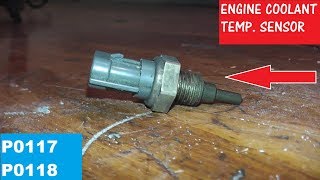
- Check Engine Light: This is often the first sign. The computer will log a fault code, such as P0117 (signal low) or P0118 (signal high), when it detects a problem with the sensor's signal. 🎬 Watch: How to test and replace a sensor with these codes.
- Inaccurate Temperature Gauge: The gauge on your dashboard might swing wildly, read very high right after starting, or not move at all.
- Engine Overheating: A faulty sensor might not tell the cooling fans to turn on when needed, leading to the engine getting too hot.
- Poor Fuel Economy: If the sensor incorrectly tells the computer the engine is cold, the computer will enrich the fuel mixture, wasting gas.
- Rough Idling and Poor Performance: The wrong fuel mixture can cause the engine to idle poorly, hesitate, or feel sluggish.
- Black Smoke from Exhaust: A very rich fuel mixture, caused by a bad sensor reading, can result in black smoke from the tailpipe.
- Hard Starting: Especially when the engine is warm, a bad sensor can make the car difficult to start.
Don't Ignore Overheating
If your temperature gauge goes into the red or you get an overheating warning, pull over as soon as it's safe and turn off the engine. Driving an overheating engine can cause severe and expensive damage.
Choosing the Right Aftermarket Sensor for Your Avenger
When it comes to engine sensors, quality matters. While saving money is tempting, a cheap, unreliable sensor can cause more headaches and might fail quickly. Here’s a breakdown of your options, from the best to the most budget-conscious.
Tier 1: OEM and OEM-Equivalent Brands
These are your best bet for reliability and a perfect fit. They are manufactured to the same standards as the original part that came with your Avenger.
- Mopar: This is the official OEM parts brand for Dodge. It's the benchmark for quality and is guaranteed to be compatible. You can't go wrong with Mopar, but it's usually the most expensive option.
- Delphi: Delphi is a major OEM supplier for many car manufacturers. Their aftermarket parts are known to be high quality and often identical to the OEM part, just in a different box.
- NGK / NTK: Known for spark plugs, NTK (the sensor brand of NGK) is also a trusted OEM supplier. Forum users often recommend them as a reliable alternative to Mopar.
Tier 2: Reputable Aftermarket Brands
These brands have a long history of making quality replacement parts and are a solid choice for a balance of price and performance.
- Standard Motor Products (SMP) / Standard Ignition: A very common and generally trusted brand in the aftermarket. They offer parts that meet or exceed OE specifications and are a reliable choice.
- Beck Arnley: This brand specializes in sourcing parts that match the original's form and function, often from the same manufacturers that supply the carmakers.
- Holstein: Known for producing sensors that are direct-fit replacements and undergo testing for performance and durability.
Tier 3: Budget-Friendly Options
These brands offer the lowest prices, which can be helpful for a quick fix on a budget. However, quality can be more variable. They may not last as long or provide the same precise readings as higher-tier brands.
- Dorman: A popular budget-friendly brand that makes a huge variety of parts. While some of their products are innovative, sensors are not their strongest area according to some mechanics and forum posts.
- Four Seasons: Primarily known for A/C components, they also offer other engine management parts.
- Walker Products, True Tech, Global Parts: These are other value-focused brands available. They can be a viable option if cost is the primary concern, but be aware of the potential for shorter lifespan.
Pro Tip: Check the Connector
Before ordering, inspect the electrical connector on your old sensor. Sometimes the plastic clip breaks or the wiring becomes corroded. Some replacement sensors come with a new connector pigtail, which can be a lifesaver if yours is damaged.
| Part Type | Estimated Cost |
|---|---|
| New OEM (Mopar) | $45 - $75 |
| New Aftermarket | $15 - $50 |
| Shop Labor | $55 - $81 |
Frequently Asked Questions (FAQ)
Where is the engine coolant temperature sensor located on a 2007-2014 Dodge Avenger?
The location depends on your engine:
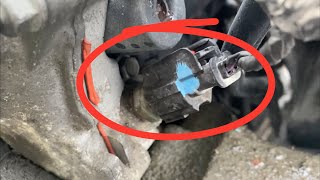
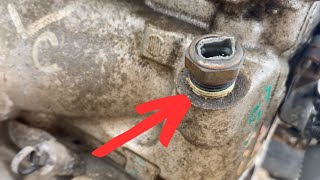
- 2.4L 4-Cylinder: The sensor is typically located on the left side (driver's side) of the engine, near the thermostat housing. 🎬 See this 2.4L sensor location and replacement walkthrough.
- 2.7L V6: It's usually on the right side of the engine, near the coolant reservoir.
- 3.5L V6: Look on the right side of the engine, underneath the throttle body.
- 3.6L V6 Pentastar: The sensor is at the front of the engine on the right (passenger) side. 🎬 Watch this video to find and swap the 3.6L sensor.
Always confirm the location for your specific model year and engine before starting work.
Can I replace the ECT sensor myself?
Yes, this is a very DIY-friendly job for most home mechanics. It usually involves unplugging the electrical connector and unscrewing the old sensor with a deep socket wrench. The engine must be completely cool before you start. A small amount of coolant will leak out when you remove the sensor, so have the new one ready to install quickly. The difficulty is low, and it should take less than 30 minutes.
Are there any recalls for the Dodge Avenger coolant sensor?
Our search of the NHTSA database did not find any safety recalls specifically for the engine coolant temperature sensor on the 2007-2014 Dodge Avenger. There was a recall (16V-668) for an issue with the Occupant Restraint Controller, but it is not related to the ECT sensor.
Should I replace the thermostat at the same time?
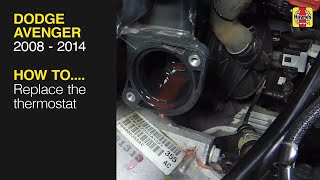
It's a good idea, especially on an older vehicle. The thermostat and ECT sensor work together, and replacing both at the same time can save you from having to do a similar job twice. The parts are located near each other, and you'll already be working on the cooling system.
Helpful Videos
Technical Specifications
OEM Part Numbers: 5149077AB 56027873
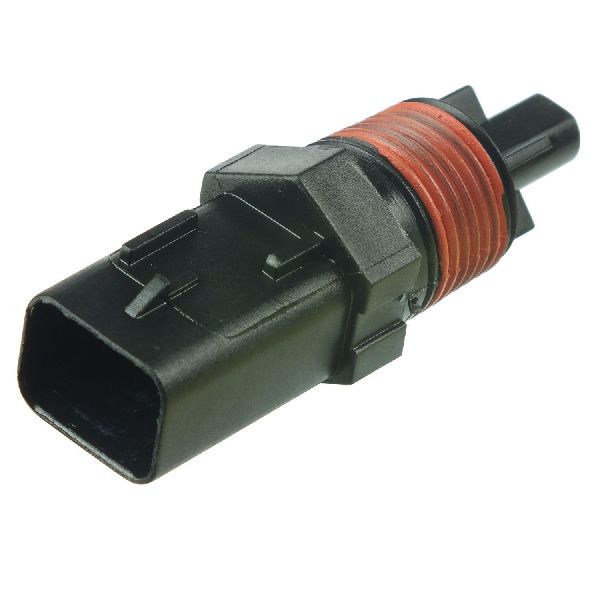
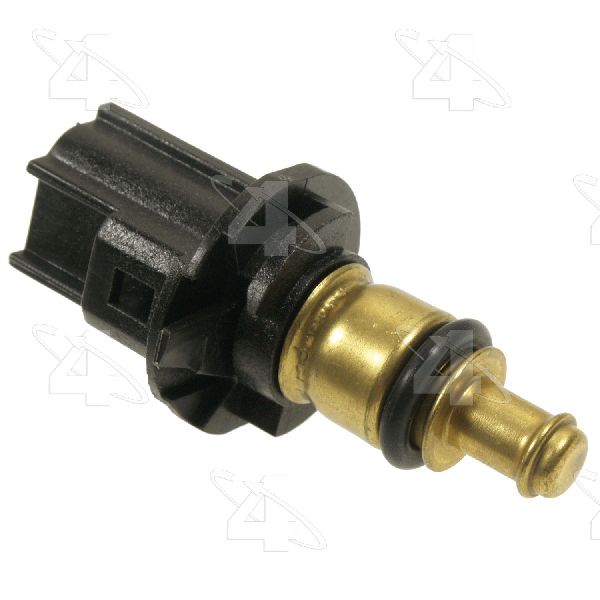
The sensor is a two-pin thermistor, meaning its electrical resistance changes with temperature. It screws into a coolant passage on the engine block or cylinder head.
We Have This Part in Stock


The information in this article is provided for general reference and educational purposes only. Vehicle specifications, procedures, and part compatibility can vary by production date, trim level, and region. Always consult your vehicle's factory service manual and verify part numbers before purchasing or performing repairs. Safety-critical components such as airbags, seat belts, and braking systems should be installed by a qualified professional.
- Dodge Avenger:
- 🎬 Helpful Videos
- 🛍️ Shop This Part
- Signs of a Failing Coolant Temperature Sensor in a Dodge Avenger
- Don't Ignore Overheating
- Choosing the Right Aftermarket Sensor for Your Avenger
- Tier 1: OEM and OEM-Equivalent Brands
- Tier 2: Reputable Aftermarket Brands
- Tier 3: Budget-Friendly Options
- Pro Tip: Check the Connector
- Frequently Asked Questions (FAQ)
- 🎟️ Get 5% Off