

Guide to Replacing the 2007-2014 Dodge Avenger Engine Intake Manifold Gasket
Address rough idling, check engine lights, and vacuum leaks by understanding when and how to replace your Avenger's intake manifold gaskets.
- A bad intake gasket will cause a vacuum leak, leading to a rough idle, poor acceleration, and a P0171 check engine code.
- For 3.6L V6 models (2011-2014), always inspect the oil cooler housing for leaks when replacing the intake gaskets, as it's a common failure point.
- High-quality aftermarket brands like Fel-Pro or Mahle offer excellent reliability and are a cost-effective alternative to OEM parts.
- Properly cleaning the mating surfaces and using a torque wrench are critical for a successful DIY replacement to prevent future leaks.
Signs of a Failing Intake Manifold Gasket

A bad intake manifold gasket will usually cause noticeable problems with how your Avenger runs. Because the gasket's main job is to prevent vacuum leaks, the most common symptoms are related to an incorrect air-fuel mixture.
🎬 Watch this video to see common symptoms of gasket failure.- Rough Idle: Your engine may vibrate or run unevenly when stopped, as more unmetered air enters the engine at low RPMs.
- Check Engine Light: A vacuum leak will often trigger a "System Too Lean" code, such as P0171, as the engine's computer detects too much oxygen in the exhaust. On some 2.4L engines, codes like P2004 or P2017 may appear if the intake manifold runner control is stuck, a problem often associated with intake manifold removal and service.
- Loss of Power: The engine may feel sluggish or hesitate during acceleration because the lean air-fuel mixture isn't providing optimal combustion.
- Hissing Noises: You might hear a distinct whistling or hissing sound from the engine bay, which is the sound of air being sucked through a gap in the failed gasket.
- Engine Overheating: On V6 engines where the gasket also seals coolant passages, a failure can lead to coolant leaks. If the leak is significant, it can cause the engine to overheat.
Known Issues for the Dodge Avenger

While there are no specific recalls for the intake manifold gasket itself, some related issues are worth noting for this generation of Dodge Avenger.
- 2.4L Intake Manifold Runner Control: Many owners of Avengers with the 2.4L engine have reported issues with the intake manifold runner control valve getting stuck, leading to check engine light codes P2004 and P2017. This often requires replacing the entire intake manifold assembly, as the valve is not sold separately by the dealer. 🎬 Learn how to fix stuck intake runners without replacing the manifold.
- 3.6L Pentastar V6 Oil Cooler Housing: On Avengers with the 3.6L V6 engine (2011-2014), the oil filter housing and cooler assembly, located in the valley of the engine beneath the intake manifold, is a very common failure point. The plastic housing can crack and the seals can fail, causing significant oil or coolant leaks. Since replacing this part requires removing the intake manifold, it is highly recommended to replace the intake gaskets at the same time.
- Plastic Intake Manifolds: Both the 2.4L and 3.6L engines use plastic intake manifolds. Over many heat cycles, this plastic can become brittle, warp, or even crack, especially around the bolt holes. 🎬 See how to repair stripped bolt holes on plastic intake manifolds. When replacing the gaskets, inspect the manifold itself for any signs of damage or warping that could prevent a good seal.
Choosing the Right Aftermarket Gasket Set

When shopping for a replacement, you'll find several brands. Not all are created equal, but you don't necessarily need to buy the most expensive OEM part to get a reliable seal.
Here’s a breakdown of common brand tiers:
- Premium Brands (Fel-Pro, Victor Reinz/Reinz, Mahle): These brands are well-respected in the professional mechanic community. Fel-Pro is particularly known for its high-quality gasket sets that often meet or exceed OEM specifications. Mahle is a major OEM supplier, so their aftermarket parts are typically OEM-quality. Victor Reinz is another trusted German brand. You can rely on these for a durable, long-lasting repair.
- Standard/Value Brands (Dorman, Apex, URO Parts): Dorman is a widely available option that provides a balance of quality and affordability. Their parts are generally reliable for daily driver repairs. Apex and URO Parts are typically budget-friendly options that can be suitable for a quick repair, but may not have the same longevity or material quality as the premium brands.
Estimated Replacement Costs

The cost to replace the intake manifold gasket set can vary based on your engine and local labor rates. The job is more involved on the V6 engines than on the 4-cylinder.
| Part/Service | Estimated Cost |
|---|---|
| Aftermarket Gasket Set | $11 - $87 |
| Shop Labor | $175 - $257 |
| Total Estimated Cost (Aftermarket Parts) | $186 - $344 |
| Total Estimated Cost (OEM Parts) | $374 - $456 |
Note: Costs are estimates and do not include taxes, fees, or potential related repairs like replacing a cracked intake manifold or a faulty 3.6L oil cooler housing.
Frequently Asked Questions (FAQ)
Can I replace the intake manifold gasket myself?
For a DIYer with some experience, this is a manageable job, especially on the 2.4L 4-cylinder engine. The V6 engines are more complex. You will need a good socket set, a torque wrench, and gasket scrapers. It's crucial to clean the mating surfaces on the cylinder head and intake manifold thoroughly and to tighten the manifold bolts to the correct torque specification in the proper sequence to avoid leaks.
What else should I replace while the intake manifold is off?
If you have a 3.6L V6, it is an excellent time to inspect or preemptively replace the oil filter/cooler housing, as it is a very common failure point and requires removing the intake for access. For any engine, it's a good opportunity to clean the throttle body, inspect vacuum lines for cracks, and consider replacing spark plugs if they are due.
Do I need to use RTV sealant with the new gaskets?
Generally, no. Modern rubber or silicone gaskets like those used on the Avenger are designed to be installed dry. Using RTV sealant where it's not specified can actually cause the gasket to slip out of place when torqued, creating a leak. Only apply sealant if the service manual or gasket manufacturer's instructions specifically call for it, usually at corners or where engine components meet.
What are the torque specs for the intake manifold bolts?
Torque specifications are critical and vary by engine. For example, the plastic intake manifold on the 3.6L Pentastar has a very low torque spec (around 89 inch-pounds) and a specific tightening sequence. Always refer to a vehicle-specific repair manual for the correct torque values and sequence for your Avenger's engine to avoid damaging the manifold or causing leaks.
Helpful Videos

Technical Specifications
OEM Part Numbers: 68535427AA 05184331AC 5184562AC
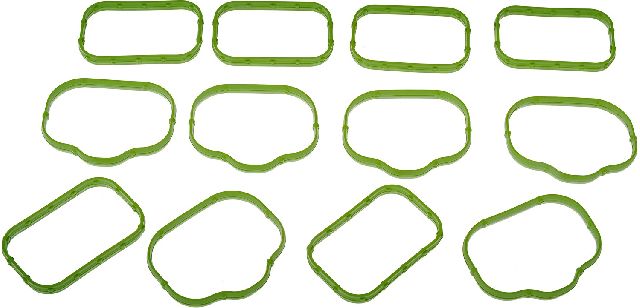
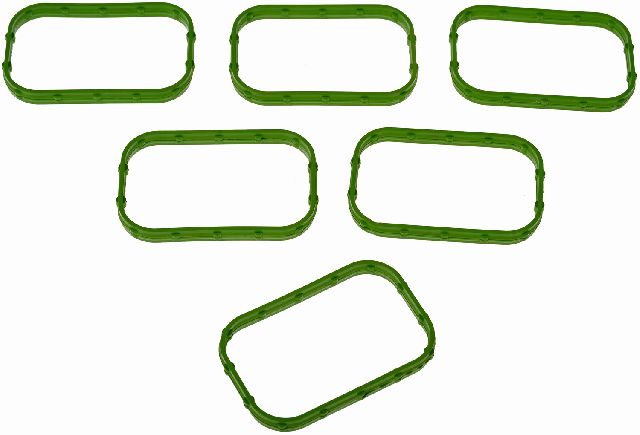
Gasket material is typically molded rubber or silicone. Sets for V6 engines include separate upper and lower gaskets. Compatibility is specific to engine size (2.4L I4, 2.7L V6, 3.5L V6, 3.6L V6).
We Have This Part in Stock


The information in this article is provided for general reference and educational purposes only. Vehicle specifications, procedures, and part compatibility can vary by production date, trim level, and region. Always consult your vehicle's factory service manual and verify part numbers before purchasing or performing repairs. Safety-critical components such as airbags, seat belts, and braking systems should be installed by a qualified professional.
- Dodge Avenger: