

Essential Guide to Your 2007-2014 Dodge Avenger Radiator Coolant Hoses
Don't let a brittle plastic fitting or a split hose leave your Avenger overheating on the side of the road.
- The plastic T-filler neck on the upper hose assembly is a critical failure point; replace the entire assembly, not just the hose.
- Always order hoses specific to your engine size (2.4L, 2.7L, 3.5L, or 3.6L) to guarantee fit.
- Replace hose clamps at the same time as the hoses for a secure, leak-free repair.
- Properly bleeding the air out of the cooling system after the repair is essential to prevent overheating.
Signs of a Failing Radiator Hose

A failing radiator hose is a serious issue. If you see any of these signs, it's time to inspect your cooling system immediately.
- Coolant Leaks: Puddles of green, orange, or pink fluid under the front of your car are a dead giveaway. You might also see dried, crusty residue on or around the hoses.
- Engine Overheating: If your temperature gauge is climbing into the red, a leaking or collapsed hose could be the cause. A sudden, major coolant loss will cause rapid overheating.
- Visible Hose Damage: Look for cracks, splits, or soft, spongy spots on the hoses. Hoses that are hard, brittle, or bulging are also ready to fail.
- Low Coolant Light: A frequent need to top off your coolant reservoir points to a leak somewhere in the system.
A Critical Failure Point: The Plastic T-Filler Neck
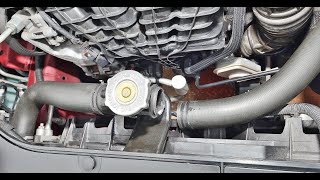
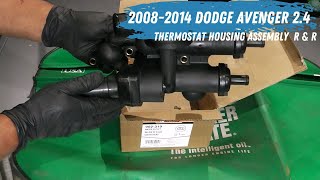
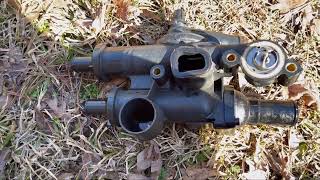
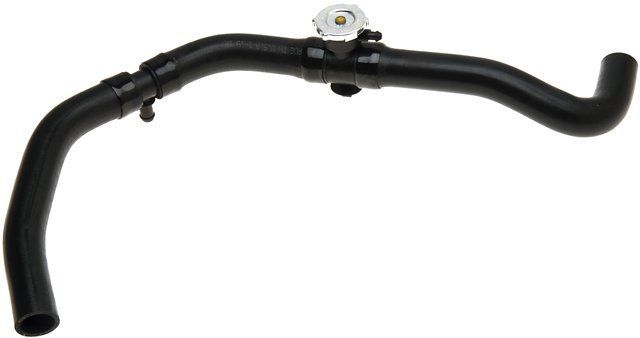
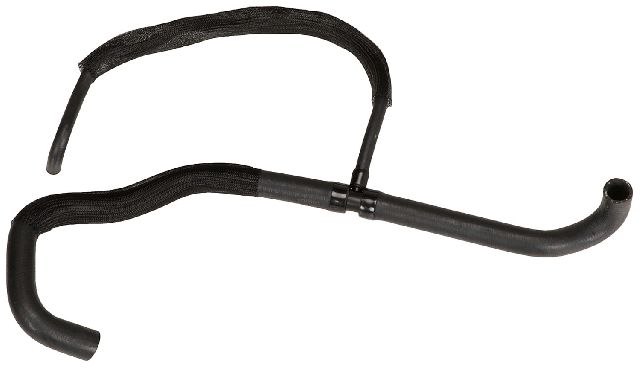
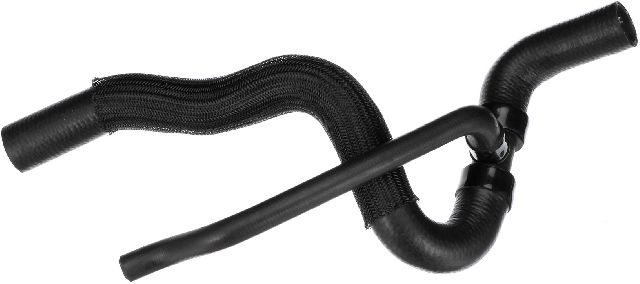
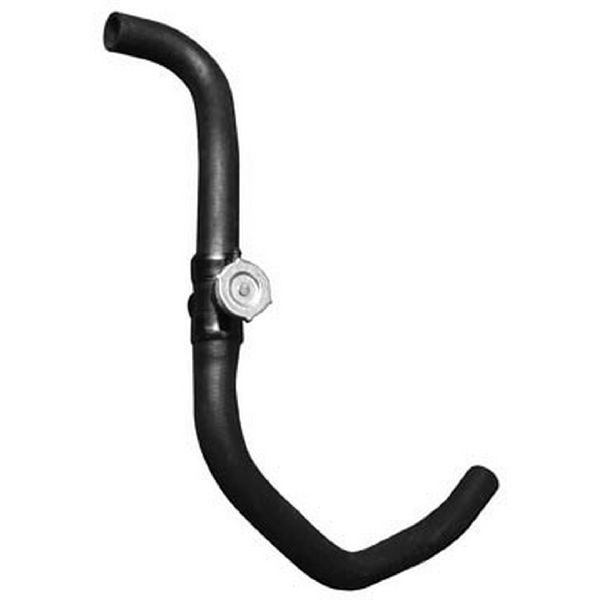
On many Dodge Avengers, particularly those with the 2.4L engine, the upper radiator hose is part of an assembly that includes a plastic T-shaped filler neck. This plastic becomes extremely brittle over time and is known to suddenly crack or rupture, causing a massive and immediate loss of all engine coolant. This is not a gradual leak; it's a catastrophic failure that can leave you stranded and cause severe engine damage from overheating. When replacing the upper hose, it is critical to replace this entire assembly.
🎬 Watch: Step-by-step guide to replacing the plastic T-filler neck assembly.Choosing the Right Aftermarket Radiator Hose

When shopping for a new radiator hose, the most important factor is ensuring it is correct for your Avenger's specific engine. The 2007-2014 Avenger was available with a 2.4L I4, 2.7L V6, 3.5L V6, 🎬 Watch: How to fix common coolant leaks on 2.4L engines. or 3.6L V6 engine, and the hoses are different for each. Always verify fitment before purchasing.
Brand Tiers: Good, Better, Best
- OEM-Equivalent (Molded): Brands like Gates, Dayco, and Continental are reputable manufacturers of aftermarket parts. They produce molded hoses designed to be a direct fit for your Avenger, with all the correct bends and lengths. For this vehicle, these brands offer reliable quality that often meets or exceeds the original part, especially when it comes to the problematic plastic T-filler. There is little practical difference in quality between these top aftermarket brands for this application.
- OEM (Mopar): While Mopar is the original part, the factory-installed plastic T-filler neck is a known weak point. A new Mopar part will work perfectly, but a quality aftermarket assembly may offer a more durable design for that specific component.
- Universal/Flex Hoses: These are not recommended for a daily-driven vehicle. While cheap, they do not have the correct bends, which can cause kinks and restrict coolant flow, leading to overheating. Only use one in a roadside emergency to get to a repair shop.
Pro Tip: When you replace a radiator hose, it's the perfect time to replace the hose clamps as well. The original spring-style clamps can lose tension over time. New spring clamps or quality worm-gear clamps will ensure a tight, leak-free seal.
Cost to Replace Dodge Avenger Radiator Hoses

| Part / Service | Estimated Cost |
|---|---|
| New Aftermarket Hose/Assembly | $28 - $122 |
| New OEM (Mopar) Hose/Assembly | $60 - $180 |
| Shop Labor | $120 - $250 |
Frequently Asked Questions

Do I have to drain the coolant to replace a hose?
Yes. To avoid a huge mess and to work safely, you must drain the cooling system before removing any radiator hoses. This is also a good time to flush the system and replace your old coolant.
🎬 See how to perform a full coolant flush and refill.Should I replace the upper and lower hoses at the same time?
It is highly recommended. Both hoses are exposed to the same age, heat, and pressure. If one has failed, the other is likely not far behind. Replacing them both at once saves you from having to do the job twice.
What is "burping" the cooling system?
After refilling the system with coolant, air pockets can get trapped inside the engine. "Burping" or bleeding the system is the process of removing this trapped air. Failing to do this can cause airlocks that prevent coolant from circulating, leading to overheating even with a new hose and fresh coolant.
Is there a recall on the radiator hoses for the Dodge Avenger?
There is no specific recall for the radiator hoses themselves. However, NHTSA recall G39 (07V-473) was issued for 2007-2008 models with the 2.4L engine due to an issue where coolant could short out the radiator fan motor connector, posing a fire risk. This highlights the importance of keeping the cooling system in good repair.
Helpful Videos
Technical Specifications
OEM Part Numbers: 05058998AF 5058590AD 5058591AD 5058592AD
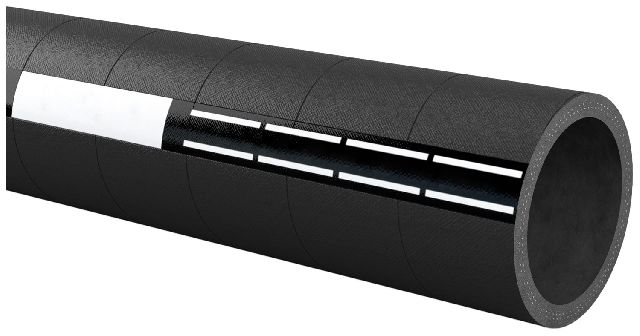
Hoses are made from molded EPDM rubber to resist heat, ozone, and chemical degradation. Aftermarket assemblies for the 2.4L engine often include a plastic or metal T-filler neck.
We Have This Part in Stock

The information in this article is provided for general reference and educational purposes only. Vehicle specifications, procedures, and part compatibility can vary by production date, trim level, and region. Always consult your vehicle's factory service manual and verify part numbers before purchasing or performing repairs. Safety-critical components such as airbags, seat belts, and braking systems should be installed by a qualified professional.
- Dodge Avenger: