

Steering Tie Rod End Guide for 2007-2014 Dodge Avenger
Fix your Avenger's wandering steering, clunking noises, and uneven tire wear by choosing the right replacement tie rod ends.
- A professional wheel alignment is mandatory after replacing tie rod ends to prevent tire damage and ensure safety.
- Symptoms like clunking noises, loose steering, and uneven tire wear are strong indicators of a failing tie rod end.
- Replacing tie rod ends in pairs (left and right) is highly recommended for balanced steering and to avoid a repeat repair job.
- Premium aftermarket brands like Moog and Mevotech often offer upgraded, greasable designs that can provide longer service life.
Is Your Avenger's Steering Acting Up?
A worn-out steering tie rod end on a 2007-2014 Dodge Avenger is a common issue that can make your car feel unpredictable and unsafe. These parts are under constant stress and eventually wear out from normal use, poor road conditions, and age. When a tie rod end fails, it introduces looseness or "play" into the steering system, which you'll notice from behind the wheel. Ignoring the symptoms can lead to rapid tire wear and, in severe cases, a complete loss of steering control.
Safety First: A Critical Repair
A failing tie rod end is a serious safety concern. If the joint separates completely, you will lose steering control of that wheel. It is not safe to drive a vehicle with a known deficient tie rod end. Address any symptoms of failure immediately.
Common Symptoms of a Bad Tie Rod End
If you're experiencing any of the following issues with your Dodge Avenger, a worn tie rod end is a likely culprit:
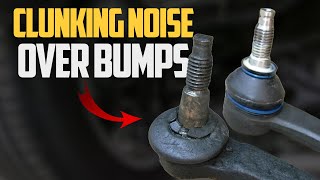
- Clunking or Popping Noises: You may hear a distinct clunk, pop, or knocking sound from the front end, especially when turning at low speeds or going over bumps. This is the sound of the loose joint rattling.
- Loose or Vague Steering: The steering wheel may feel loose, sloppy, or have excessive play. It might feel like there's a delay between turning the wheel and the car responding.
- Steering Wheel Vibration: A shaky or vibrating steering wheel, particularly as you increase speed, can be caused by a loose tie rod end allowing the wheel to shimmy.
- Uneven and Rapid Tire Wear: A bad tie rod allows the wheel's alignment (specifically the "toe" angle) to shift, causing the inside or outside edge of the tire to wear down much faster than the rest of the tread.
- Vehicle Pulling or Wandering: The car may pull to one side or feel like it's wandering on the road, requiring constant steering corrections to drive straight.
Choosing the Right Aftermarket Tie Rod End
When replacing the tie rod ends on your Avenger, you don't need to buy expensive OEM parts. The aftermarket offers a wide range of quality options. They can generally be grouped into three tiers:
- Economy Brands (e.g., Dorman, QuickSteer, some store brands): These are the most affordable options and are designed to meet basic OE specifications. They are a functional replacement for a daily driver under normal conditions. Some owners report these parts may not last as long as premium alternatives, especially under harsh road conditions.
- Standard OE-Quality Brands (e.g., ACDelco, Delphi, Crown Automotive, Suspensia): These brands aim to provide quality and durability equivalent to the original factory part. They are a reliable choice for most Avenger owners looking for a good balance of price and performance.
- Premium / Heavy-Duty Brands (e.g., Moog, Mevotech): Often called "problem solvers," these brands frequently feature design improvements over the original part. This can include greaseable fittings for longer life, stronger internal components, and more durable boots. While forum discussions show mixed opinions on whether Moog's quality is what it used to be, their Problem Solver line and Mevotech's TTX or Supreme lines are generally considered upgrades for durability.
Pro Tip: Replace in Pairs
It is highly recommended to replace both the left and right outer tie rod ends at the same time. If one has failed due to age and mileage, the other is likely not far behind. Replacing them in pairs ensures even steering response and saves you from having to do the job—and pay for another alignment—in the near future. It's also a good time to inspect the inner tie rods for any play.
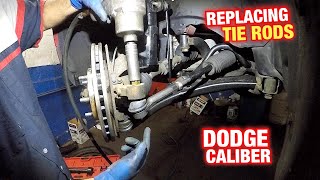
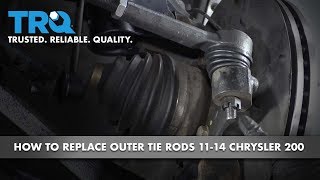
🎬 See this full DIY guide for replacing Avenger tie rods.Cost of Replacing Dodge Avenger Tie Rod Ends
The cost can vary based on your location and whether you do the work yourself or hire a professional. A professional alignment is required after the repair, which is a separate cost.
| Item | Estimated Cost |
|---|---|
| Aftermarket Outer Tie Rod End (Single) | $33 - $59 |
| OEM Mopar Outer Tie Rod End (Single) | $68 - $100 |
| Shop Labor (per side) | $50 - $95 |
| Wheel Alignment | $80 - $150 |
| Total Professional Replacement (One Side) | $126 - $254 |
Known Issues, Recalls, and TSBs
While there are no specific recalls for tie rod ends on the 2007-2014 Dodge Avenger, some related service bulletins and recalls exist for the steering system. A 2010 recall (K26) addressed a power steering pressure hose on some models, which could lead to fluid loss. A 2011 recall involved a potential loss of steering on some 2011 Avengers due to an improperly installed rivet in the steering column. Additionally, Technical Service Bulletin (TSB) #02-007-12 addresses an off-center steering wheel, which can be a symptom of alignment issues related to steering components. Owners have reported clunking noises in the front end that were sometimes traced back to tie rods or other suspension components like control arms.
Frequently Asked Questions (FAQ)
Do I absolutely need a wheel alignment after replacing my tie rods?
Yes, 100%. Replacing a tie rod end, inner or outer, will change your vehicle's toe alignment. Skipping the alignment will cause your vehicle to pull, handle poorly, and destroy your front tires in a very short amount of time. Consider it a mandatory final step of the repair.
Can I replace just the outer tie rod end, or do I need to do the inner one too?
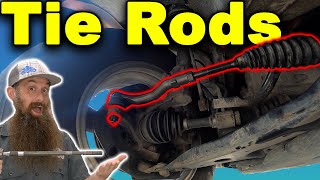
You only need to replace the part that is worn. The outer tie rod ends fail more frequently than the inners. However, while the vehicle is apart, you should always check the inner tie rod for play by grabbing the inner tie rod shaft (behind the boot) and checking for movement. 🎬 Watch: How to check and replace a bad tie rod. If there's any looseness, it's best to replace both at the same time.
Is this a good DIY job for a beginner?
This job is feasible for a DIYer with some mechanical experience. It requires safely jacking and supporting the vehicle, and you may need a special tool called a tie rod puller or pickle fork to separate the joint from the steering knuckle. Some premium brands include new cotter pins and grease fittings. Remember, you must get a professional alignment immediately after you are finished.
What's the difference between a greasable and sealed tie rod end?
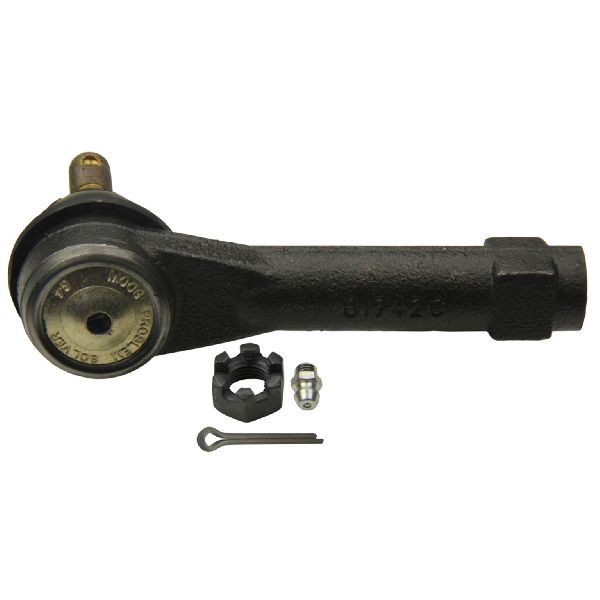
Sealed tie rod ends are lubricated for life from the factory and require no maintenance. Greasable tie rod ends have a small fitting (a zerk fitting) that allows you to add new grease periodically, which can flush out contaminants and potentially extend the part's life. Many premium aftermarket brands like Moog and Mevotech offer greasable options.
Helpful Videos
Technical Specifications
OEM Part Numbers: 5183761AD 68141058AA 5183761AB 68014944AA
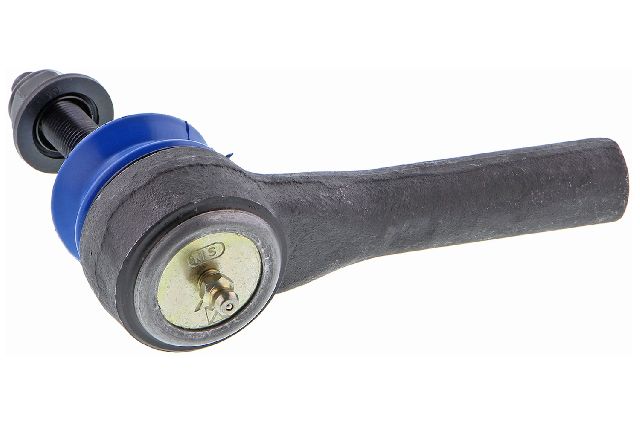
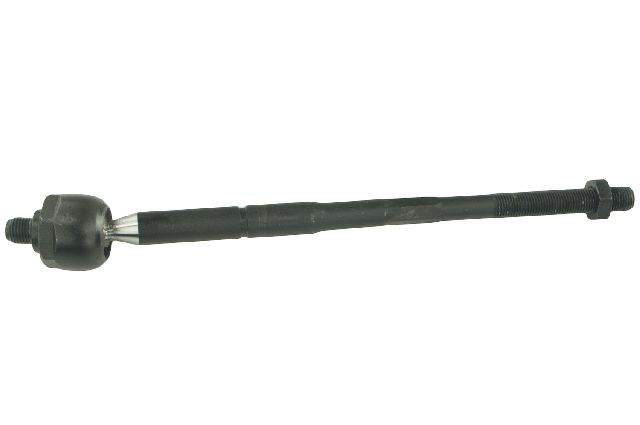
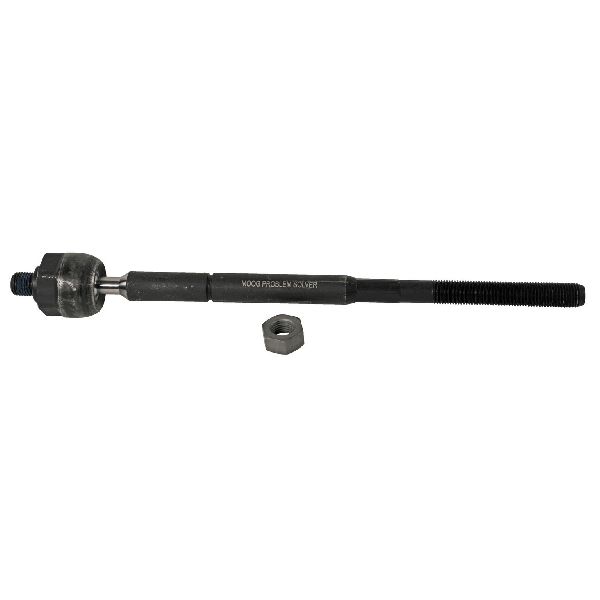
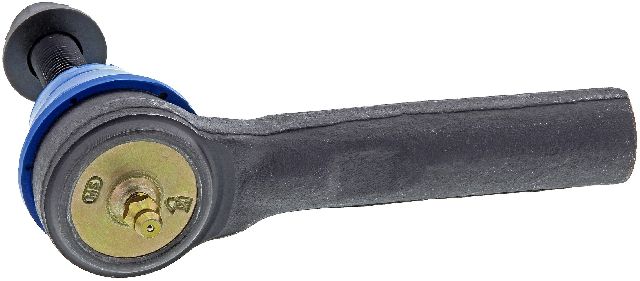
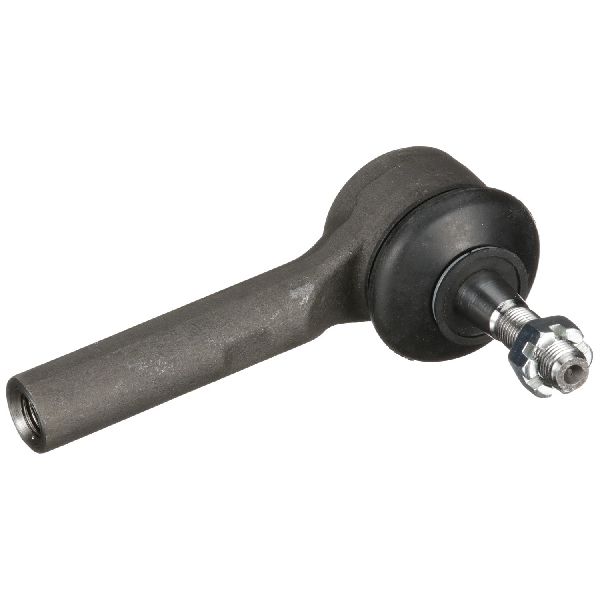
Fits 2007-2014 Dodge Avenger models. Includes both inner and outer tie rod ends. Outer tie rods connect to the steering knuckle, while inner tie rods connect to the steering rack. Replacement always requires a front-end alignment.
We Have This Part in Stock

The information in this article is provided for general reference and educational purposes only. Vehicle specifications, procedures, and part compatibility can vary by production date, trim level, and region. Always consult your vehicle's factory service manual and verify part numbers before purchasing or performing repairs. Safety-critical components such as airbags, seat belts, and braking systems should be installed by a qualified professional.
- Dodge Avenger:
- 🎬 Helpful Videos
- 🛍️ Shop This Part
- Is Your Avenger's Steering Acting Up?
- Safety First: A Critical Repair
- Common Symptoms of a Bad Tie Rod End
- Choosing the Right Aftermarket Tie Rod End
- Pro Tip: Replace in Pairs
- Cost of Replacing Dodge Avenger Tie Rod Ends
- Known Issues, Recalls, and TSBs
- Frequently Asked Questions (FAQ)
- 🎟️ Get 5% Off