

Porsche 911 (2007-2014) Engine Coolant Temperature Sensor Guide
A failing coolant temperature sensor can cause poor performance and fuel economy in your 911; here’s how to choose the right replacement.
- A faulty ECT sensor can cause poor fuel economy, a check engine light (P0117/P0118), and erratic gauge behavior.
- The sensor location is different for 997.2 (engine bay) and 991.1 (under car) generations, affecting replacement difficulty.
- Quality aftermarket brands like Standard Ignition and Walker Products offer a reliable and cost-effective alternative to OEM parts for this component.
- Replacement is a feasible DIY task, but the engine must be cold to prevent burns and minimize coolant loss.
Understanding ECT Sensor Failure in Your 911
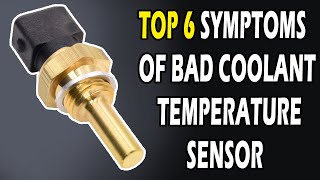
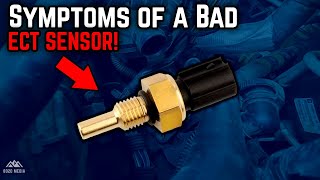
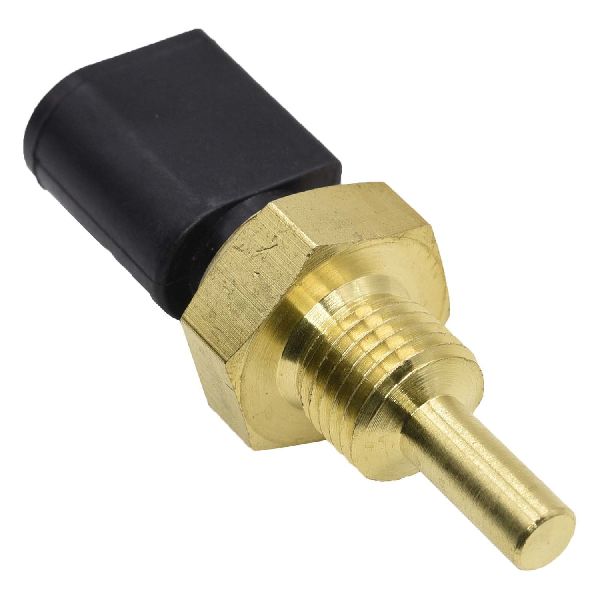
The Engine Coolant Temperature (ECT) sensor is a small but vital part of your Porsche's engine management system. It acts like a thermometer, telling the car's computer (DME) how hot or cold the engine is. This single piece of information influences everything from the air-fuel ratio and idle speed to when the radiator fans turn on. When this sensor fails, the computer receives incorrect data, leading to a range of frustrating 🎬 Watch this video to see common symptoms of sensor failure. and sometimes alarming symptoms.
Symptoms of a Failing Coolant Temperature Sensor
A bad ECT sensor can make your 911 behave erratically. Because the computer might think the engine is cold when it's actually hot (or vice versa), you may experience several issues:
- Check Engine Light: This is often the first sign. The DME will log fault codes like P0117 (signal too low) or P0118 (signal too high) when it detects a reading outside the normal range.
- Poor Fuel Economy: If the sensor incorrectly tells the DME the engine is cold, the computer will enrich the fuel mixture, causing you to use more gas.
- Black Smoke from Exhaust: A very rich fuel mixture may not burn completely, leading to black smoke from the exhaust pipes.
- Erratic Temperature Gauge: The gauge on your dashboard might jump to hot, stay on cold, or fluctuate wildly, even if the engine temperature is normal.
- Radiator Fans Run Constantly or Not at All: The DME controls the fans based on the sensor's reading. A bad sensor can cause the fans to run all the time, draining your battery, or not turn on when needed, risking an actual overheating event.
- Rough Idle and Hard Starting: The engine may idle poorly or be difficult to start, especially when cold, because the fuel mixture isn't correct for the actual engine temperature.
Generation Differences in Sensor Location
It's important to know which 911 generation you have, as the sensor location differs:
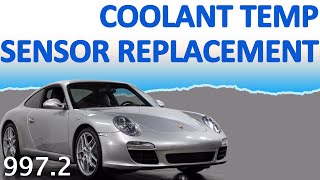
- For 997.2 models (2009-2012): The sensor is located at the rear of the engine on the right side. Access requires removing the airbox and some other 🎬 See a step-by-step guide for replacing the 997.2 sensor. components.
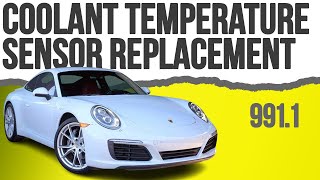
- For 991.1 models (2012-2016): The sensor is found on a main coolant pipe underneath the center of the car. Access requires removing the underbody trays. 🎬 Follow this walkthrough for the 991.1 sensor replacement process.
Choosing the Right Aftermarket Sensor
For a simple component like an ECT sensor, an aftermarket part can offer significant savings without a noticeable drop in quality or reliability. The technology is well-established, and reputable aftermarket brands produce sensors that meet or exceed original equipment (OE) specifications.
Here's a look at the available brands:
- Standard Ignition (SMP): Often considered a top-tier aftermarket brand, Standard Motor Products manufactures parts with a reputation for quality and reliability. They often serve as an OE supplier for various manufacturers.
- Walker Products: A long-standing company founded in 1946, Walker Products is a large manufacturer of engine sensors. They are ISO 9001/IATF16949 certified, indicating a commitment to quality control, and their parts are designed to meet OE fit and function.
- Global Parts: This brand typically falls into the value-oriented category, providing a functional replacement at a lower cost. While often sufficient, they may not have the same long-term track record as more established brands like Standard or Walker.
Pro Tip: When replacing the sensor, it's a good idea to have the new part ready to swap in quickly to minimize coolant loss. Always use a new crush washer or o-ring, and never use thread sealant tape, as it can interfere with the sensor's electrical ground.
Cost of Replacing a Porsche 911 ECT Sensor
| Part/Service | Estimated Cost |
|---|---|
| New OEM Sensor | $80 - $120 |
| New Aftermarket Sensor | $14 - $65 |
| Shop Labor | $120 - $250 |
| Total (DIY Aftermarket) | $14 - $65 |
| Total (Shop Install Aftermarket) | $134 - $315 |
Frequently Asked Questions
Are there any recalls for the 2007-2014 Porsche 911 coolant temperature sensor?
No, there are no specific recalls for the engine coolant temperature sensor on these models. There was a NHTSA investigation into coolant pipe fitting leaks on earlier models, but it did not result in a recall and was unrelated to the sensor itself. A 2014 recall for 911 GT3 models involved engine crankcase issues, not the cooling system sensors.
Can I replace the ECT sensor myself?
Yes, this is a feasible DIY job for many owners. For 991 models, it involves removing underbody trays and using a 19mm wrench. For 997.2 models, it's more involved, requiring airbox removal and a 22mm crowfoot wrench or socket. In both cases, the engine must be completely cold.
Should I buy an OEM or aftermarket ECT sensor?
For this specific part, a quality aftermarket sensor from a brand like Standard Ignition or Walker Products provides excellent value. The function is straightforward, and these brands are known for meeting OE standards. Given the significant price difference, aftermarket is a sensible choice for most owners.
Will a bad ECT sensor cause my car to overheat?
It can, but indirectly. If the sensor fails to tell the DME that the engine is hot, the radiator fans may not turn on. This can lead to a real overheating situation, especially in traffic. Conversely, the sensor can also give a false overheating warning on your dash when the engine is fine.
Helpful Videos
Technical Specifications
OEM Part Numbers: 99760641000 9A160641001
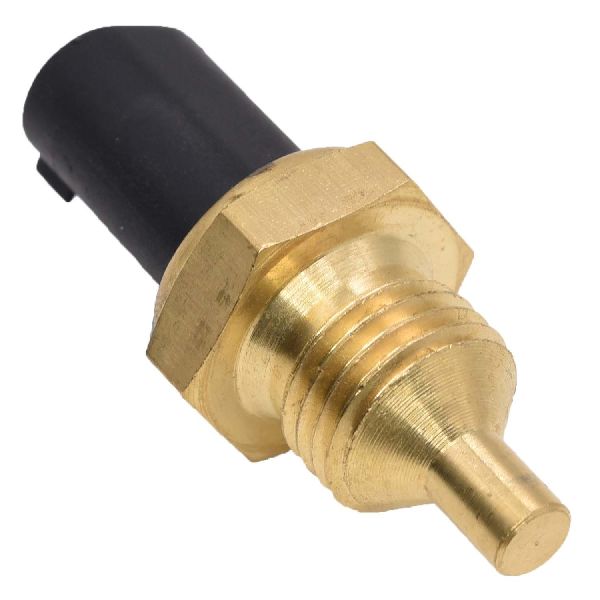
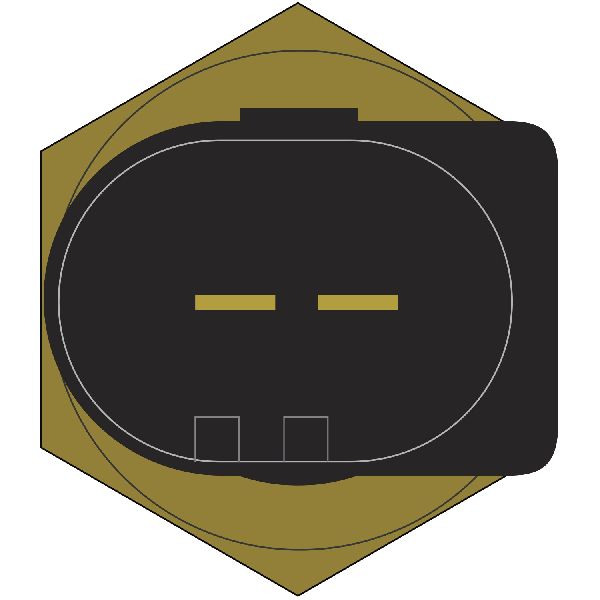
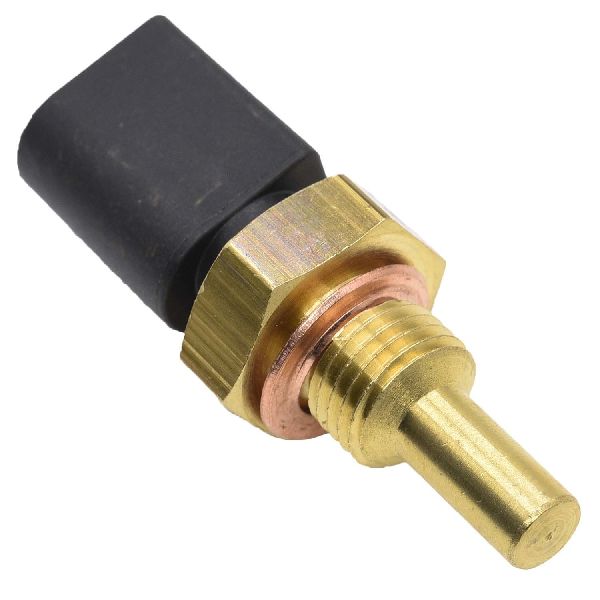
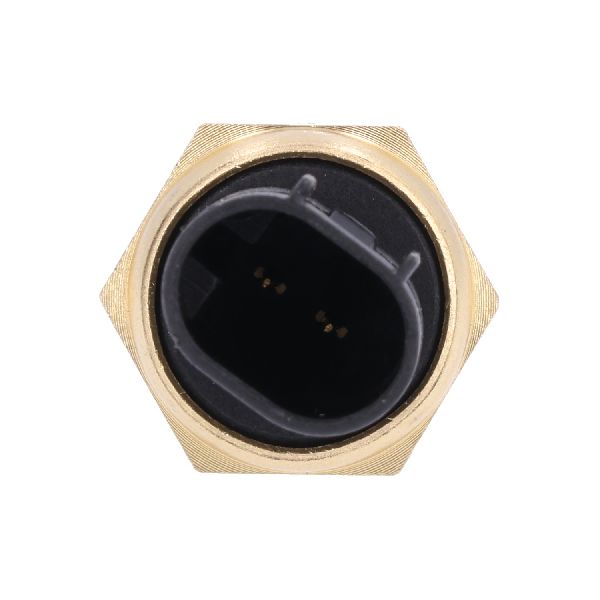
2-pin or 4-pin connector depending on specific model and year. Threaded body with sealing washer or o-ring. Operates as a thermistor, changing resistance with temperature.
We Have This Part in Stock


The information in this article is provided for general reference and educational purposes only. Vehicle specifications, procedures, and part compatibility can vary by production date, trim level, and region. Always consult your vehicle's factory service manual and verify part numbers before purchasing or performing repairs. Safety-critical components such as airbags, seat belts, and braking systems should be installed by a qualified professional.
- Porsche 911: