

A Practical Guide to Engine Mounts for the 2007-2014 Toyota Sienna
If you feel new vibrations or hear clunking noises, your Sienna's engine mounts may be the problem.
- The most common signs of failure are heavy vibration at idle and clunking noises when accelerating.
- For a smooth, quiet ride similar to the original, choose OEM or premium aftermarket hydraulic mounts; budget brands may increase cabin vibration.
- The easiest mount to replace is the top torque strut (dog bone); the main mounts are a much bigger job.
- Driving with a broken mount is not recommended as it can damage other engine components like hoses and the exhaust system.
Symptoms of a Failing Engine Mount

When engine mounts wear out, the signs are usually easy to feel and hear. The rubber cracks and hardens over time, and any hydraulic fluid can leak out, making the mount fail. Here’s what to look for:
- Increased Vibration: This is the most common symptom. You might feel a strong vibration through the steering wheel, floor, or seats, especially when the van is idling at a stoplight with the transmission in 'Drive'.
- Clunking or Thumping Noises: Loud clunks or thuds from the engine bay when you accelerate, put the van in reverse, or brake are a clear sign of a bad mount. This noise is the sound of the engine moving too much and hitting other parts.
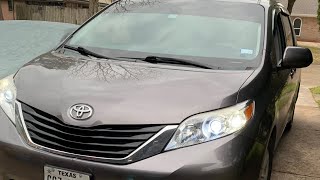
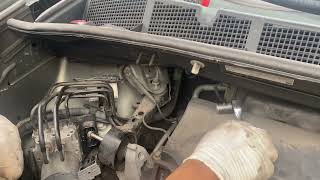
- Visible Engine Movement: You can check for this with a helper. With the hood open and the parking brake on, have someone watch the engine while you, with your foot firmly on the brake, shift from 'Drive' to 'Reverse'. If the engine jumps or rocks excessively, one or more mounts are likely broken. 🎬 Watch: How to diagnose bad mounts and estimate repair costs.
Choosing the Right Aftermarket Mount

When shopping for new engine mounts, you'll find Original Equipment (OEM) parts and a wide variety of aftermarket options. For the Sienna, there is a noticeable difference in quality and price.
| Brand Tier | Brands | Quality & Performance Notes |
|---|---|---|
| OEM (Dealer) | Toyota | Considered the best for perfect fit, materials, and vibration control. Many OEM mounts are hydraulic (fluid-filled) for maximum smoothness. They are the most expensive option but are expected to last the longest. |
| Premium Aftermarket | Beck Arnley | This brand has a reputation for sourcing parts that match OEM specifications. It is often considered a good balance between quality and price, and a solid choice if you don't want to pay for the dealer part. |
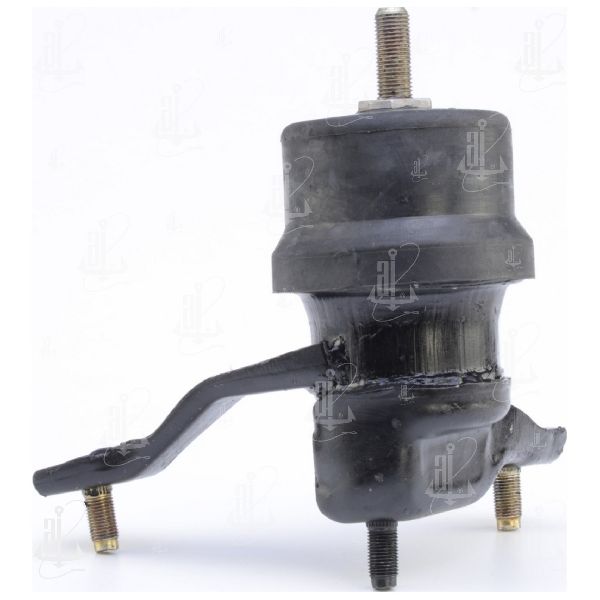
| Standard Aftermarket | Anchor, DEA, Westar, Pioneer Cable | These brands offer a much lower price, which is appealing for budget repairs. However, the quality can be inconsistent. They may be made of a harder rubber compound that transmits more vibration into the cabin, or a softer one that fails prematurely. Fitment issues have also been reported by some mechanics. These are best for the top torque strut mount (dog bone) which is easier to replace if it fails early. | 🎬 See this walkthrough for replacing the top torque strut mount.
A Note on Hydraulic Mounts
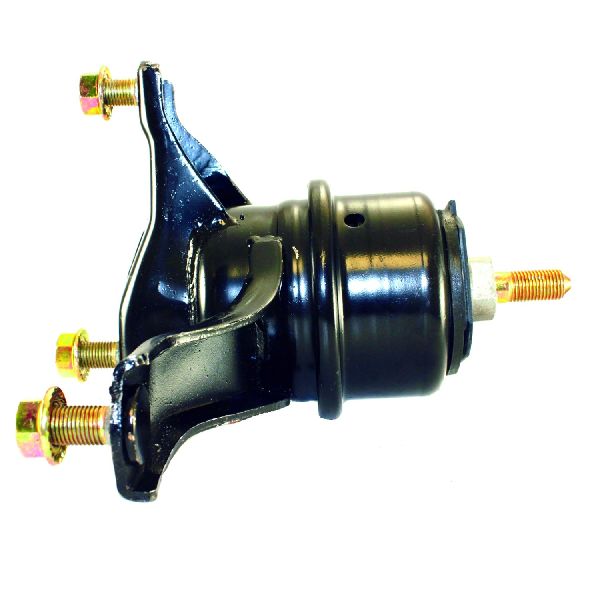
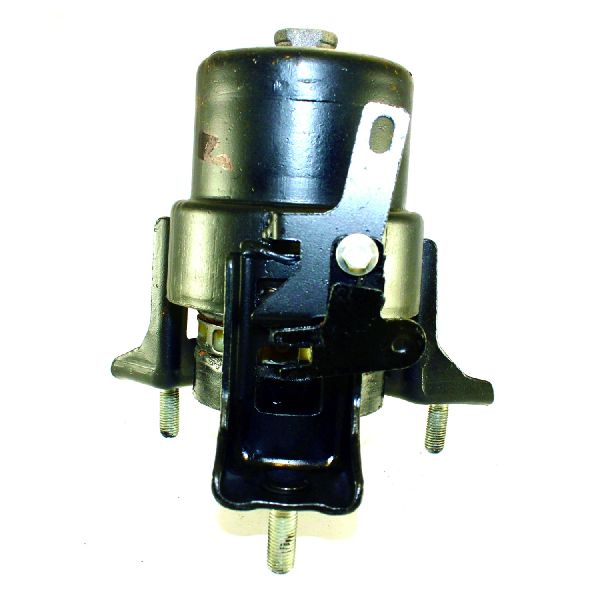
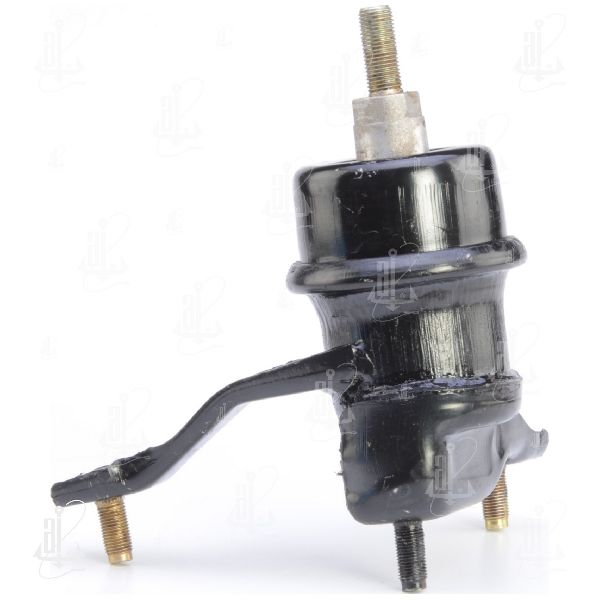
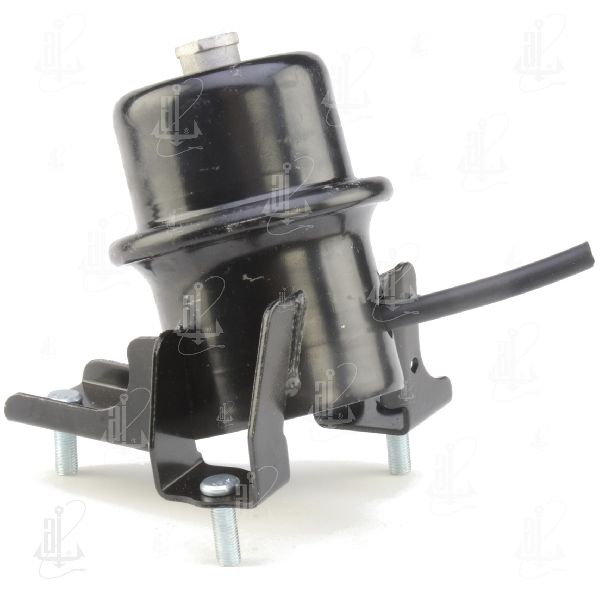
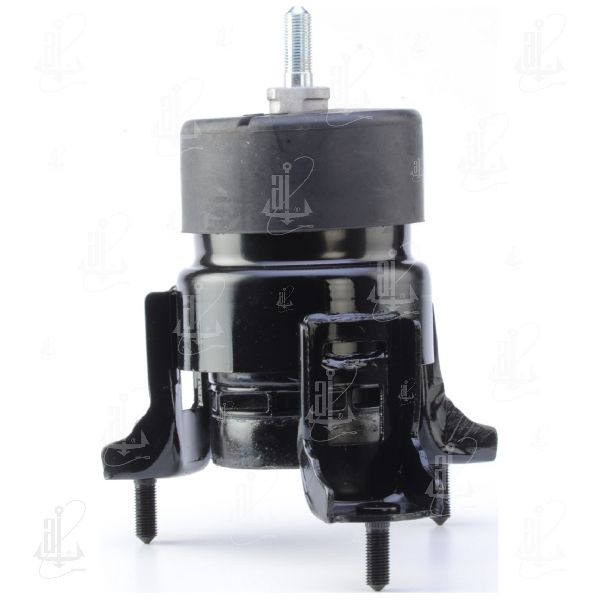
The main load-bearing mounts on your Sienna are likely hydraulic. Cheaper aftermarket mounts are often just solid rubber. While they will fit, they will not absorb vibrations as well as the original fluid-filled design, leading to a rougher-feeling van. If you want to maintain the original smooth ride, choose an OEM or premium aftermarket hydraulic mount.
Frequently Asked Questions (FAQ)

How many engine mounts does my 2007-2014 Sienna have?
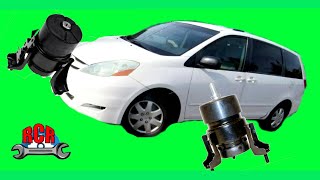
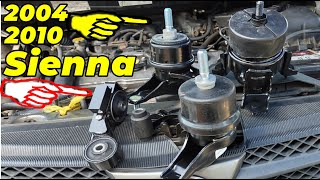
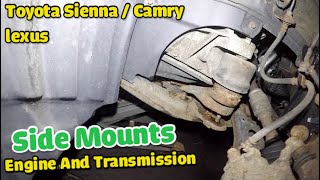
The 3.5L V6 Sienna typically uses a set of four mounts: a front mount, a rear mount, a side (transmission) mount, and an upper torque strut mount (often called a 'dog bone'). The torque strut is the easiest to see and replace, located at the top of the engine on the passenger side.
Can I just replace the one broken mount?
Yes, you can replace only the failed mount. However, mounts tend to wear out at a similar rate. If one has failed, the others are likely weak and will fail soon. When one mount is bad, it puts extra stress on the others. For the best long-term results, mechanics often recommend replacing them as a set.
Why are OEM mounts so much more expensive?
OEM mounts are more expensive due to higher quality materials, stricter testing, and complex designs like the fluid-filled hydraulic chambers used to absorb vibration. Aftermarket brands often simplify the design (like using solid rubber instead of hydraulic fluid) to reduce costs.
Are there any recalls or TSBs for Sienna engine mounts?
Searches of the National Highway Traffic Safety Administration (NHTSA) database and for Technical Service Bulletins (TSBs) did not show any specific recalls or widespread service campaigns for engine mount failure on the 2007-2014 Toyota Sienna. Failures are typically due to age and wear.
Is it difficult to replace the engine mounts myself?
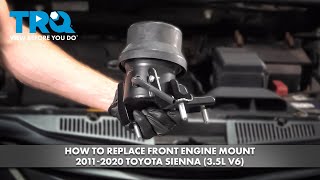
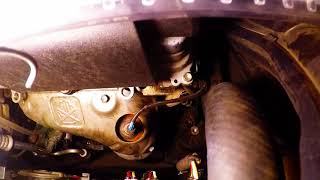
The difficulty varies greatly depending on the mount. The top torque strut mount is relatively easy and can be done with basic hand tools in under an hour. The main front, rear, and side mounts are much more difficult. They require safely supporting the engine with a floor jack and wood block while you work, and access can be tight, especially for the rear mount. 🎬 Watch: Step-by-step guide for replacing the front engine mount. While DIY is possible for an experienced home mechanic, it can be a challenging job.
Helpful Videos
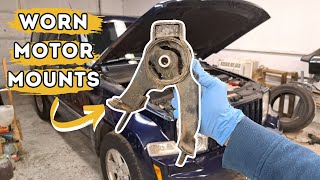
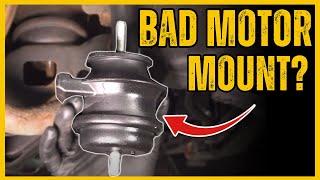
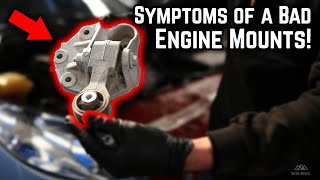
Technical Specifications
OEM Part Numbers: 12360-0P110
The 2007-2014 Toyota Sienna with the 3.5L V6 engine uses a set of four engine mounts to secure the transverse-mounted engine and transmission. This includes three main load-bearing mounts (front, rear, side) and one upper torque strut mount. The main mounts are typically hydraulic (fluid-filled) to provide superior vibration dampening.
We Have This Part in Stock

The information in this article is provided for general reference and educational purposes only. Vehicle specifications, procedures, and part compatibility can vary by production date, trim level, and region. Always consult your vehicle's factory service manual and verify part numbers before purchasing or performing repairs. Safety-critical components such as airbags, seat belts, and braking systems should be installed by a qualified professional.
- Toyota Sienna: