

A Guide to the 2007-2015 Audi A6 Quattro Engine Crankcase Breather Hose
Learn to spot the signs of a failing breather hose and how to choose the right aftermarket replacement for your Audi.
- A cracked breather hose is a common issue on 2007-2015 A6s, causing rough idle, a Check Engine Light, and whistling noises.
- The plastic becomes brittle with age and heat; if one part of the PCV hose assembly breaks, the rest is likely weak too.
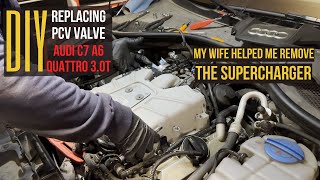
- Replacement difficulty varies greatly by engine; the 3.2L is manageable for DIY, while the 3.0T requires removing the supercharger.
- Aftermarket brands like Vaico can offer OEM quality for less, while budget brands like URO have mixed reviews for fit and longevity.
Understanding Breather Hose Failure on Your A6 Quattro
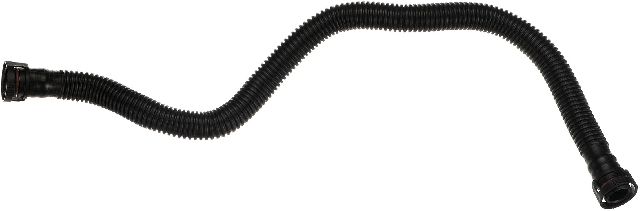
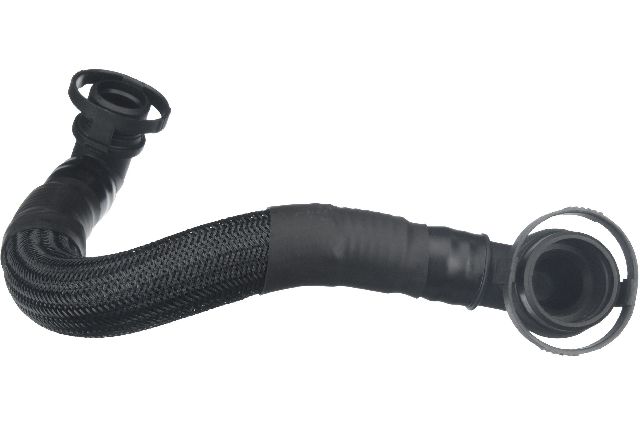
The crankcase breather hose on the 2007-2015 Audi A6 Quattro is a common failure point, especially on vehicles with higher mileage. Made of plastic and rubber, these hoses are constantly exposed to intense engine heat and oil vapors. Over many heat cycles, the material becomes brittle and fragile, leading to cracks and breaks. A broken breather hose creates a vacuum leak, which can cause a variety of noticeable engine problems. It's a repair you shouldn't ignore, as it can lead to more significant issues down the road.
Symptoms of a Failing Breather Hose
When a breather hose fails, it usually creates a vacuum leak. This allows unmetered air into the engine, disrupting the carefully balanced air-fuel ratio. You might notice one or more of the following symptoms:
- Rough Idle: The engine may shake, stumble, or run unevenly when stopped.
- Check Engine Light: A vacuum leak will often trigger error codes for a lean fuel mixture (like P0171) or random misfires (P0300).
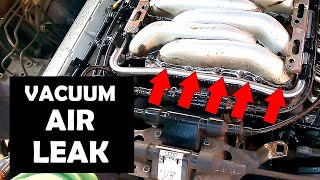
- Whistling or Hissing Noises: A distinct sucking or whistling sound from the engine bay, especially at idle, is a classic sign of a vacuum leak. 🎬 Watch: A simple method to find and fix vacuum leaks
- Increased Oil Consumption: A faulty PCV system can cause the engine to burn more oil than usual.
- Oil Leaks: If the system gets clogged, pressure can build up in the crankcase and force oil out of gaskets and seals, like the valve covers or rear main seal.
A Note on Engines
The 2007-2015 year range covers two generations of the A6 (C6 and C7) with different primary engines, such as the 3.2L V6 and the 3.0T supercharged V6. While the function of the breather hose is the same, the exact part number, location, and replacement procedure can vary significantly. Always confirm the part fits your specific year and engine before ordering.
Choosing the Right Aftermarket Replacement Part
When replacing your breather hose, you don't have to buy an expensive part from the dealer. Aftermarket brands offer a range of options. Here’s a look at the brands available:
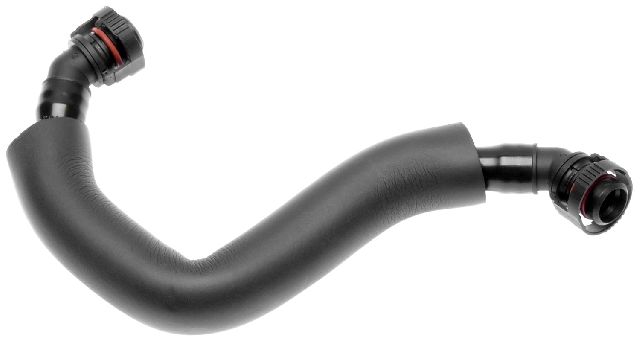
- Gates: Gates is a highly respected name in the automotive industry, known for producing high-quality rubber products like hoses and belts. A Gates part is generally considered a reliable, high-quality replacement that meets or exceeds OEM standards.
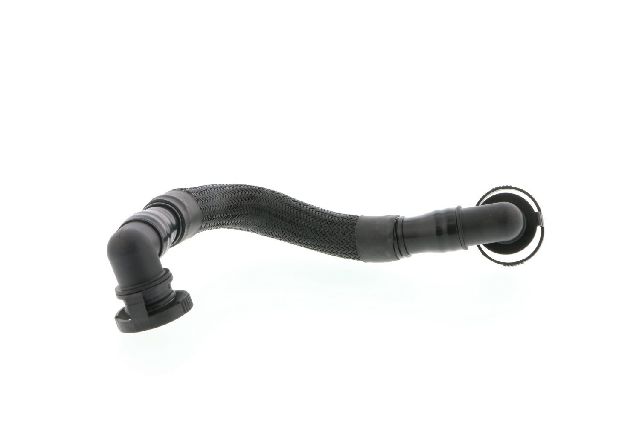
- Vaico: Vaico is a German brand that is part of the VEMO/VIEROL group. They are often considered a strong OEM-quality alternative. In some cases, forum users have noted that Vaico parts are identical to the original Audi part, with the Audi logos ground off. This makes them a potentially excellent value.
- URO Parts: URO Parts is known for providing budget-friendly alternatives for European cars. While they offer a way to save money, online reviews and forum discussions show mixed experiences with fitment and long-term durability. For a critical component like a PCV hose on an Audi, it may be worth spending a little more on a more established brand unless you are on a strict budget.
Pro Tip: Replace the Whole Assembly
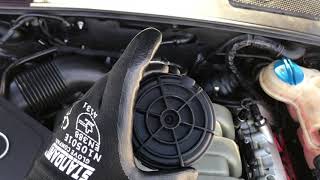
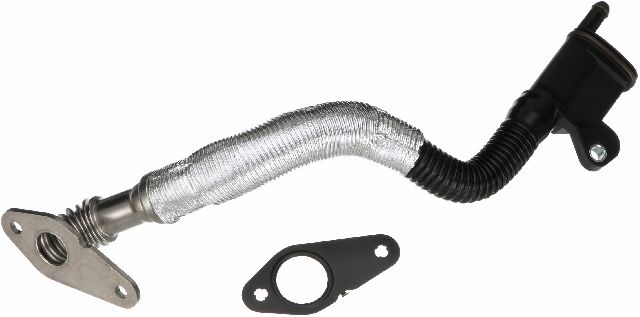
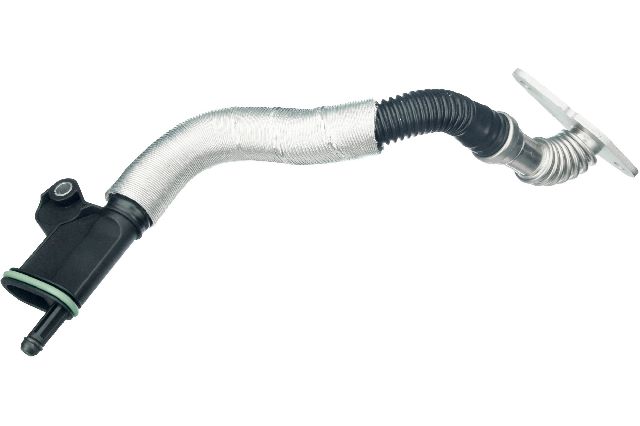
Often, the breather hose is part of a larger assembly that includes multiple tubes and connectors. Since all the plastic components have been exposed to the same heat and age, it's wise to replace the entire assembly at once. If one part broke, the others are likely not far behind. 🎬 See how to remove breather hoses without breaking them This saves you from having to do the job again in a few months.
Cost of Replacing Your Breather Hose
| Part Type | Estimated Cost |
|---|---|
| New OEM (Dealer) | $85 - $275 |
| New Aftermarket | $24 - $217 |
| Shop Labor | $150 - $450 |
Note: Costs are estimates and can vary based on your location, specific vehicle model, and the repair shop. The labor cost can be high if the hose is difficult to access, such as on 3.0T models where the supercharger may need to be removed.
Frequently Asked Questions
Can I drive my Audi with a broken breather hose?
It is not recommended for long. While the car may be drivable, the vacuum leak will cause poor engine performance, terrible fuel economy, and could lead to damage to other components like the catalytic converter over time. It's best to get it fixed promptly.
Is this a difficult DIY job?
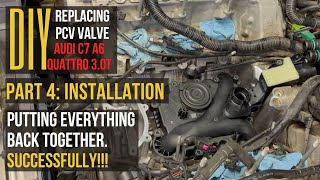
It depends on your engine. On some models like the 3.2L V6, the hose assembly can be replaced in about an hour with basic tools if you are careful. However, on the 3.0T supercharged engine, the PCV system and hoses are located underneath the supercharger, which must be removed for access. This is a much more involved job. If you are not a confident DIYer, especially with the 3.0T, it's best to leave this to a professional.
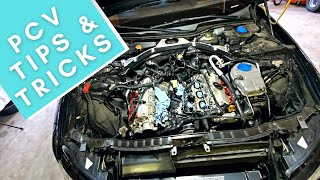
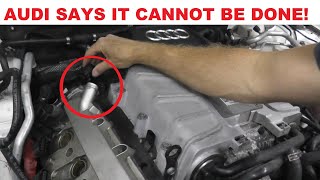
🎬 Watch: Tips and tricks for 3.0T PCV and hose replacementAre there any recalls for this part?
There are no direct recalls for the crankcase breather hose itself. However, there have been related recalls and warranty extensions for the PCV valve (oil separator) on some models, which is often replaced at the same time. There was also a recall for a fuel line on some 2012-2014 models. It is always a good idea to check with an Audi dealer or the NHTSA website with your VIN to see if any open campaigns apply to your vehicle.
What's the difference between a breather hose and the PCV valve?
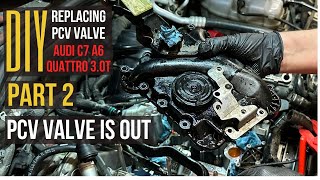
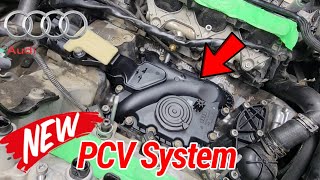
The PCV valve (or oil separator) is the heart of the system. It's a valve that controls the flow of gases. The breather hoses are the pathways that connect the valve to the engine's valve covers and intake system. They work together, and often when one fails, it's a good idea to inspect or replace the other components of the system.
Helpful Videos
Technical Specifications
OEM Part Numbers: 06E103217M 06E103217L 06E103217AD 06E103217T 06E103213
The 2007-2015 Audi A6 Quattro used several engines, including the 3.2L V6 and 3.0T Supercharged V6. The breather hose assembly is specific to the engine type. The C6 generation (pre-2012) 3.2L V6 has a different hose assembly (e.g., 06E103217L) than the C7 generation (2012+) 3.0T V6 (e.g., 06E103217AD). Always verify the part number with your vehicle's VIN.
We Have This Part in Stock

The information in this article is provided for general reference and educational purposes only. Vehicle specifications, procedures, and part compatibility can vary by production date, trim level, and region. Always consult your vehicle's factory service manual and verify part numbers before purchasing or performing repairs. Safety-critical components such as airbags, seat belts, and braking systems should be installed by a qualified professional.
- Audi A6 Quattro:
- 🎬 Helpful Videos
- 🛍️ Shop This Part
- Understanding Breather Hose Failure on Your A6 Quattro
- Symptoms of a Failing Breather Hose
- A Note on Engines
- Choosing the Right Aftermarket Replacement Part
- Pro Tip: Replace the Whole Assembly
- Cost of Replacing Your Breather Hose
- Frequently Asked Questions
- 🎟️ Get 5% Off