

BMW 335i Fuel Pressure Sensor Guide (2007-2015)
Solving long cranks, hesitation, or fuel-related error codes on your N54 or N55 engine.
- Bosch is the original equipment (OEM) supplier; choosing this brand is the safest and most reliable option.
- Symptoms of a bad sensor often mimic a failing High-Pressure Fuel Pump (HPFP), a much more expensive part.
- Verify your engine type (N54 or N55) as they use different sensors; ordering the wrong part is a common mistake.
- Diagnose whether the fault is from the high-pressure or low-pressure sensor, as they are different parts with different locations and solutions.
Is Your Fuel Pressure Sensor Failing?
A bad fuel pressure sensor on a 335i can cause symptoms that are often mistaken for a failing High-Pressure Fuel Pump (HPFP), a much more expensive repair. Before replacing your HPFP, checking the sensor is a smart diagnostic step. Watch for these signs:
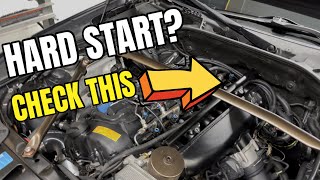
- Long Cranks / Hard Starting: The engine turns over for several seconds before finally starting. 🎬 Watch: Troubleshooting long cranks and delayed starts on N54/N55 engines.
- Reduced Power and Limp Mode: You'll see a "Service Engine Soon" or "Engine Malfunction" light, and the car will feel noticeably less powerful.
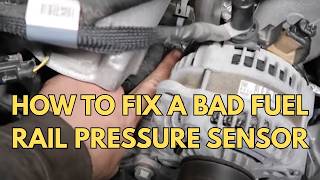
- Engine Hesitation or Stumbling: The car may jerk or stumble during acceleration. 🎬 See a breakdown of common fuel rail pressure sensor symptoms.
- Rough Idle: The engine idles unevenly or feels shaky when stopped.
- Engine Stalling: In severe cases, the engine may stall, especially when coming to a stop.
High-Pressure vs. Low-Pressure Sensor
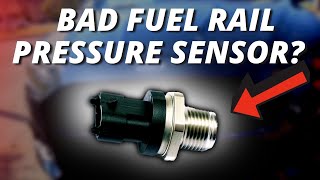
It's crucial to know which sensor is failing. The High-Pressure Fuel Sensor (HPFS) is on the fuel rail in the engine bay and causes the symptoms listed above. The Low-Pressure Fuel Sensor (LPFS) is located under the intake manifold (on N54 engines) and typically throws different fault codes (like 29F3 or 2A2D). Always diagnose with a proper BMW-specific scan tool before buying parts.
Choosing the Right Aftermarket Sensor
For critical engine sensors on a high-performance car like the 335i, brand choice matters. Not all aftermarket parts are created equal.
| Brand Tier | Brands | Quality & Advice |
|---|---|---|
| Tier 1: OEM Supplier | Bosch | Bosch is the Original Equipment Manufacturer (OEM) for BMW for this specific part. Choosing Bosch ensures you get the exact same quality, fit, and performance as the part from the BMW dealer, but usually at a lower cost. This is the highly recommended choice. |
| Tier 2: Reputable Aftermarket | Standard Ignition, Vemo | These are established aftermarket brands. While they can offer good value, for a sensitive component that directly impacts engine performance and can mimic other expensive failures, sticking with the OEM supplier (Bosch) is the safest bet to avoid future diagnostic headaches. |
| Tier 3: Basic Replacement | Replacement / Store Brands | These are budget-focused options. Given the precision required for the 335i's fuel system, using a basic or unbranded sensor is not recommended. The risk of premature failure, incorrect readings, or chasing the same symptoms is high. |
Check Your Engine Code: N54 vs. N55
The 2007-2010 335i uses the N54 twin-turbo engine, while the 2011-2015 models use the N55 single-turbo engine. They use different high-pressure fuel sensors. Always verify the part number for your specific vehicle before ordering. For example, part number 13537537319 is common for the N54, while 13537620946 is for later N55 models. Using the wrong sensor will not work.
Frequently Asked Questions
Where is the high-pressure fuel sensor located?
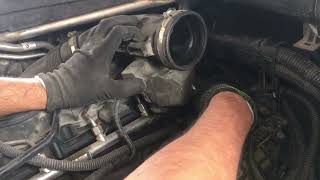
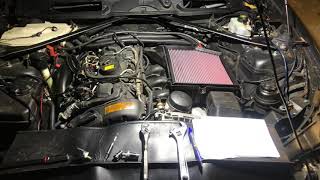
The high-pressure fuel sensor is screwed into the end of the metal fuel rail that sits on top of the engine. You will need to remove the main engine cover to see it.
🎬 Watch this step-by-step fuel rail pressure sensor replacement guide.Can I replace this sensor myself?
Yes, this is a DIY-feasible job for someone with mechanical experience. It requires basic tools, but access can be tight. It is essential to relieve the fuel pressure from the system before attempting to remove the old sensor to prevent fuel from spraying. Always work on a cold engine.
Could my problem be the HPFP instead?
Yes. The symptoms of a bad sensor and a bad High-Pressure Fuel Pump are nearly identical. However, the sensor is much cheaper and easier to replace. It is common practice to replace the sensor first as a diagnostic step. Note that BMW issued a recall and extended warranty on the HPFP for many N54-equipped cars (2007-2010 335i), so check with a dealer if your car was covered.
What happens if I ignore a bad fuel pressure sensor?
Continuing to drive with a faulty sensor can lead to chronic hard starting, poor fuel economy, and unsafe stalling in traffic. An incorrect air-fuel mixture can, over time, damage your catalytic converters, leading to a much more expensive repair.
Helpful Videos
Technical Specifications
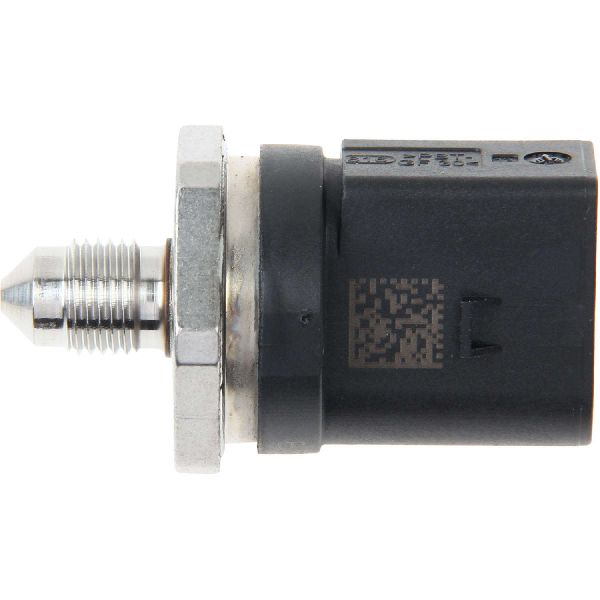
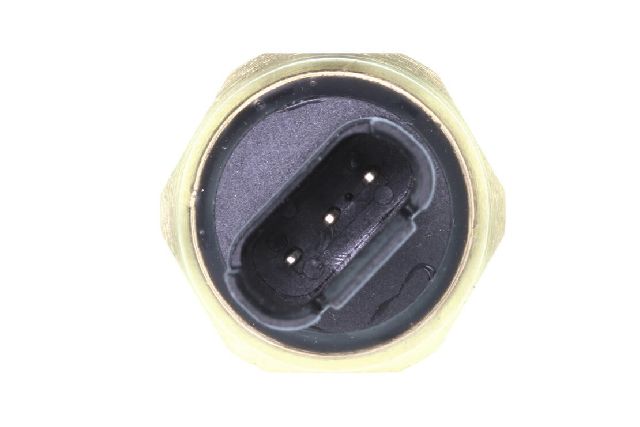
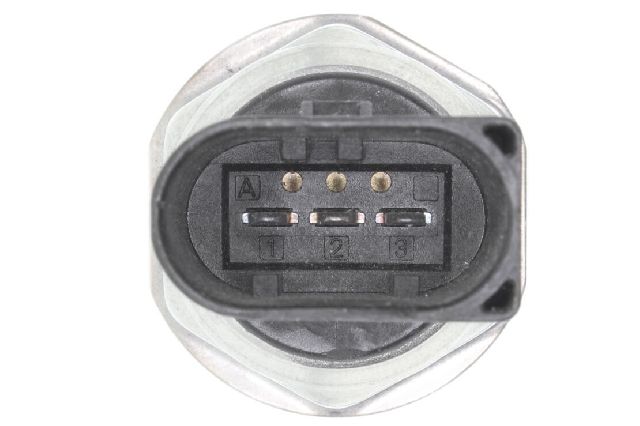
OEM Part Numbers: 13537537319 13537620946 13537584404
This guide primarily covers the high-pressure fuel sensor located on the fuel rail. It is distinct from the low-pressure sensor found on the fuel line (N54) or integrated into the fuel pump assembly (N55).
We Have This Part in Stock


The information in this article is provided for general reference and educational purposes only. Vehicle specifications, procedures, and part compatibility can vary by production date, trim level, and region. Always consult your vehicle's factory service manual and verify part numbers before purchasing or performing repairs. Safety-critical components such as airbags, seat belts, and braking systems should be installed by a qualified professional.
- BMW 335i: