

Ignition Knock Sensor Guide for the 2007-2015 Chevrolet Express 2500
Understand why the knock sensors fail on your work van and how to replace them correctly the first time.
- On V8 models, knock sensors are under the intake manifold, making replacement a labor-intensive job.
- Always replace both sensors, the wiring harness, and the intake manifold gaskets at the same time to prevent a repeat repair.
- Failure is most often caused by water intrusion and corrosion due to the sensor's location in the engine valley.
- Due to the high labor cost, using a top-tier aftermarket brand like Delphi, NGK, or Standard Ignition is highly recommended.
Understanding Knock Sensor Failure on Your Express Van
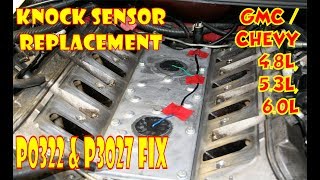
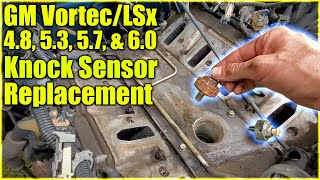
If you're experiencing a Check Engine Light with codes like P0325, P0327, or P0332, a faulty knock sensor is a likely culprit. On the V8 engines 🎬 Watch this guide to diagnosing and replacing your knock sensors. (4.8L, 5.3L, 6.0L) common in these vans, the two knock sensors are located in a very difficult-to-reach spot: under the intake manifold, in the engine valley. This location is prone to moisture and debris buildup, which causes the sensors and their wiring harness connectors to corrode and fail. It's often the corrosion from water intrusion, not a defect in the sensor itself, that causes the problem.
A Labor-Intensive Job
Replacing the knock sensors on a 2007-2015 Express 2500 with a V8 engine is not a simple task. The entire intake manifold must be removed to gain access. This makes the repair labor-intensive, whether you do it yourself or pay a shop. Because of the high labor cost, it is critical to do the job right the first time using quality parts.
Choosing the Right Aftermarket Knock Sensor
When you're facing a repair that costs more in labor than parts, it's wise to invest in high-quality components to avoid doing the job twice.
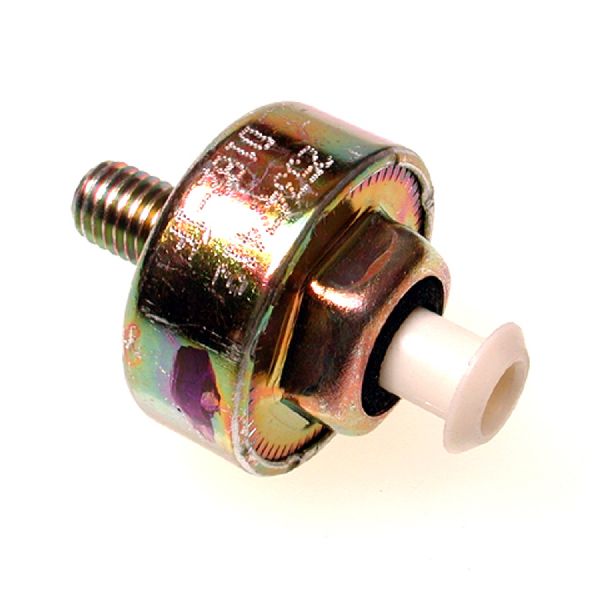
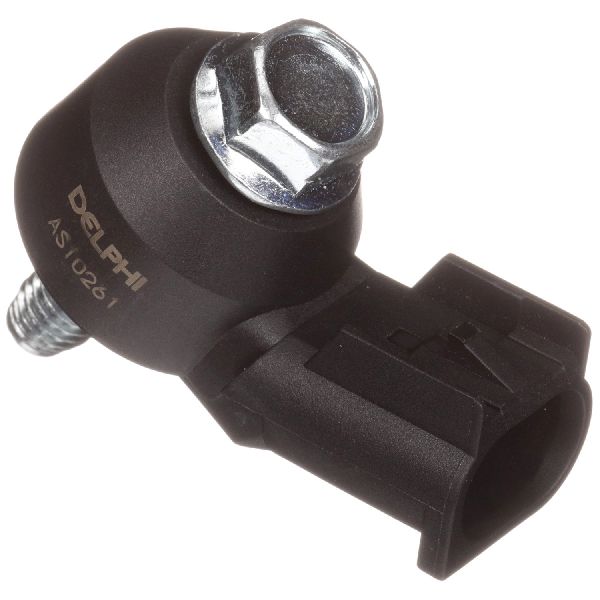
🎬 See essential pro tips for a successful knock sensor replacement.- Top Tier (OEM Quality): Brands like Delphi are often the original equipment manufacturer (OEM) for General Motors. Choosing Delphi is the closest you can get to buying a genuine GM part. NGK (also sold as NTK) and Standard Ignition (SMP) are also highly-regarded aftermarket brands known for producing reliable sensors.
- Mid-Tier & Budget: Other brands like Holstein, Walker Products, and Global Parts offer a more budget-friendly option. While they can save you money upfront, some owner experiences suggest a higher risk of premature failure, which could lead to repeating this labor-intensive repair. Given the difficulty of the replacement, many mechanics recommend sticking with top-tier brands for this specific part.
Pro Tip: Replace as a Kit
It is strongly recommended to replace both knock sensors at the same time, along with the wiring harness that connects them. The harness is just as exposed to heat and moisture as the sensors and is a common point of failure. You should also replace the intake manifold gaskets. Many brands offer kits that include both sensors and the harness.
| Component | Estimated Cost |
|---|---|
| New Aftermarket Knock Sensor (Single) | $15 - $84 |
| New Aftermarket Knock Sensor Kit (2 Sensors + Harness) | $40 - $110 |
| Intake Manifold Gasket Set | $30 - $70 |
| Shop Labor | $350 - $600 |
Frequently Asked Questions (FAQ)
Where are the knock sensors located on my Express 2500?
On the V8 engines (4.8L, 5.3L, 6.0L), there are two sensors located under the intake manifold in the valley of the engine block. This requires removing the intake to access them.
Do I have to replace both sensors and the harness?
It is highly recommended. The cost of the second sensor and harness is small compared to the labor cost. Since both sensors have lived in the same harsh environment, if one has failed, the other may not be far behind. The wiring harness is a frequent failure point due to corrosion.
What happens if I ignore a bad knock sensor?
Your van's computer (ECM) will default to a 'safe' mode, which retards the ignition timing to prevent engine damage. This results in noticeably poor acceleration, reduced engine power, and worse fuel economy, and the Check Engine Light will stay on. While it won't leave you stranded immediately, it can lead to long-term damage if you are hearing an audible engine knock.
Is there a recall for this issue?
There are no specific recalls from the NHTSA for knock sensor failure on the 2007-2015 Chevrolet Express 2500. However, GM did issue a Technical Service Bulletin (TSB #02-06-04-023A) for this common problem on similar engines, which recommends replacing the sensors and building a silicone (RTV) dam around them to prevent future water intrusion.
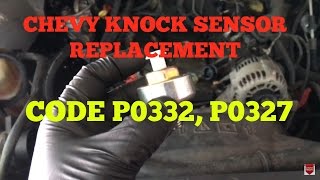
🎬 Follow this step-by-step walkthrough to fix codes P0332 and P0327.Helpful Videos

Technical Specifications
OEM Part Numbers: 12589867 12623730 213-3521
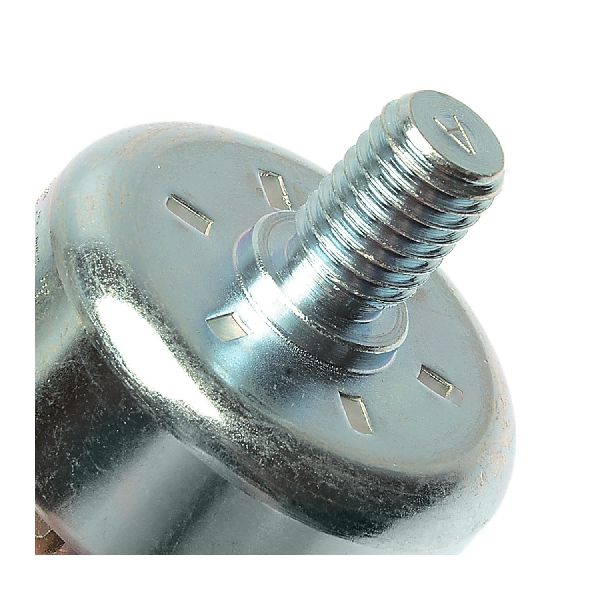
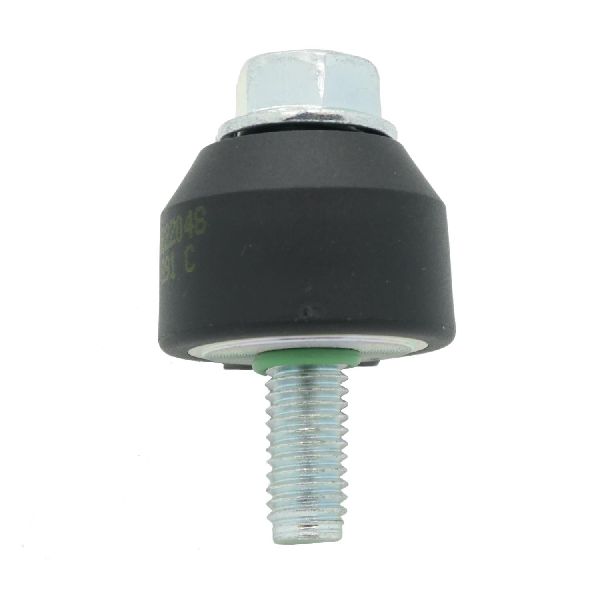
For V8 models, two sensors are required. They are located under the intake manifold. The sensors are piezoelectric microphones tuned to detect specific frequencies of engine knock.
We Have This Part in Stock


The information in this article is provided for general reference and educational purposes only. Vehicle specifications, procedures, and part compatibility can vary by production date, trim level, and region. Always consult your vehicle's factory service manual and verify part numbers before purchasing or performing repairs. Safety-critical components such as airbags, seat belts, and braking systems should be installed by a qualified professional.
- Chevrolet Express 2500: