

Ford F-150 (2007-2015) TPMS Sensor Service Kit: A Complete Guide
Don't let a tiny failed part cause a slow leak; here's what you need to know about servicing your F-150's TPMS.
- Always replace TPMS service kits when you get new tires to prevent future leaks.
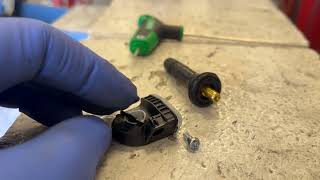
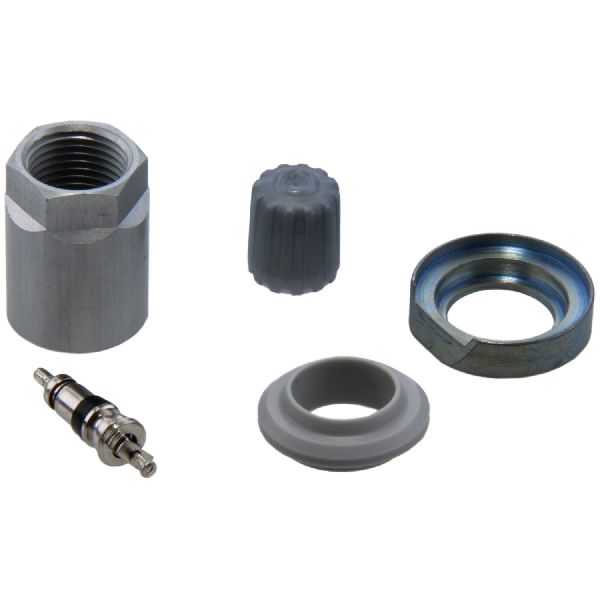
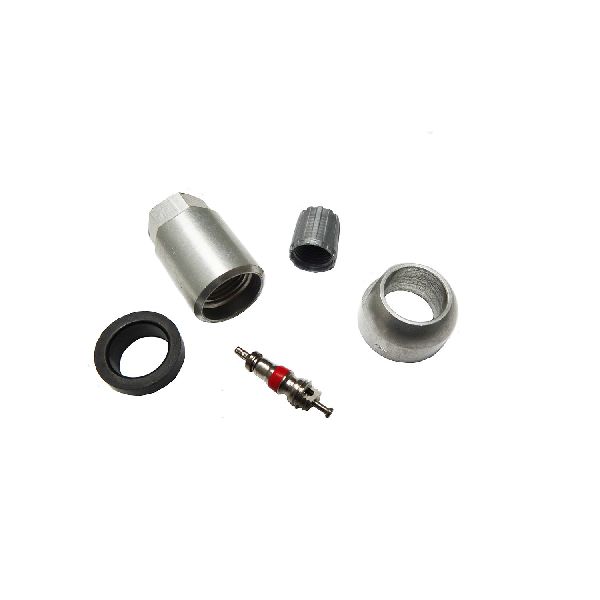
- A service kit is the mounting hardware (stem, nut, seals), not the electronic sensor.
- A slow leak from the valve stem is the primary symptom of a failing service kit.
- Quality aftermarket brands like Schrader or Continental are excellent, cost-effective choices for this part.
Is a TPMS Service Kit Really Necessary?
If you're getting new tires on your 2007-2015 F-150, the answer is yes. Tire shops recommend—and often require—replacing the TPMS service kit components every time a tire is removed from the wheel. Reusing old, corroded, or brittle seals and nuts is asking for a slow leak or a complete failure down the road. For a few dollars per wheel, you get peace of mind and ensure the entire system, including the sensor you're reusing, remains sealed and functional.
Don't Confuse the Sensor with the Service Kit
A "TPMS Sensor Fault" message on your dash usually points to a dead battery or a failed electronic sensor, which is a more expensive part. A failing service kit, on the other hand, typically causes a slow air leak from the valve stem area or shows visible corrosion. This article focuses on the service kit—the mounting hardware for your sensor.
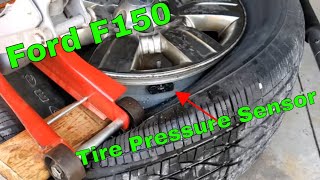
🎬 Watch: A quick walkthrough of the Ford TPMS replacement process.Symptoms of a Failing TPMS Service Kit
- Slow Air Leaks: The most common symptom is a tire that constantly loses air from the valve stem area. The rubber grommet that forms the seal can become brittle and crack over time.
- Visible Corrosion: On F-150s, especially in regions that use road salt, the aluminum valve stem and retaining nut can corrode badly. This can make them difficult to remove and can compromise the seal.
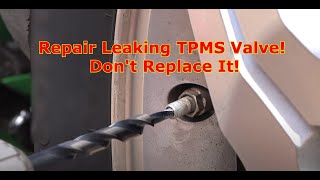
- Damaged or Seized Valve Core: The tiny pin inside the valve stem can seize, making it impossible to add or remove air from the tire. 🎬 See how to repair a leaking valve stem without replacement.
Choosing the Right Aftermarket Service Kit
For a simple component set like a service kit, you don't need to pay a premium for a dealership part. Quality aftermarket brands offer reliable kits that meet or exceed OEM standards. The key is ensuring the kit is compatible with your F-150's specific TPMS sensors.
- Tier 1 (OEM Suppliers): Brands like Schrader, Continental, and Huf are often the original equipment manufacturers for Ford. Choosing one of these brands is the closest you can get to the original part, guaranteeing fit and quality.
- Tier 2 (Reputable Aftermarket): Brands like Denso and Standard Ignition (SMP) are well-regarded in the aftermarket. They produce high-quality service kits that provide a dependable, cost-effective alternative.
Pro Tip: When replacing tires, it's a good idea to replace all four TPMS service kits at the same time. If one has failed due to age, the others are likely not far behind. This saves you from having to pay for labor to break down a tire again just to replace a $5 part.
Known Issues for the 2007-2015 Ford F-150
While the TPMS system on this generation of F-150 is generally reliable, some issues are noted. A recall (NHTSA ID 15V-406) was issued for some 2015 models where the instrument cluster could fail, preventing the TPMS warning light from illuminating. This was fixed with a software update. Owners also report that the electronic sensors themselves have a finite battery life, typically lasting 7-10 years, at which point the entire sensor must be replaced. If your truck is in this age range, a "TPMS Fault" message likely means one or more sensor batteries have died.
Estimated Costs for TPMS Service Kits
| Part/Service | Estimated Cost |
|---|---|
| New Aftermarket TPMS Service Kit (per wheel) | $2.90 - $11.20 |
| New OEM TPMS Service Kit (per wheel) | $15 - $30 |
| Shop Labor (often included with tire installation) | $10 - $25 per wheel |
Frequently Asked Questions
Do I need special tools to replace a TPMS service kit?
Yes. Replacing the service kit requires the tire to be removed from the wheel using a professional tire machine. This is not a typical DIY job. The new components are then installed before the tire is remounted and balanced.
Can I reuse my existing TPMS sensors?
Absolutely. As long as the sensor is functioning correctly and its battery isn't dead, you can and should reuse it. The service kit is simply the hardware for mounting that sensor.
Do I need to relearn the TPMS system after replacing a service kit?
No. Since you are reusing the same electronic sensor, no relearn procedure is necessary. A relearn is only required when you replace the sensor itself or rotate your tires. For the 2007-2015 F-150, the relearn procedure can often be done without special tools by following a sequence of steps involving the ignition and hazard lights.
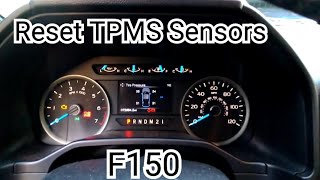
🎬 Watch: How to perform the F-150 TPMS relearn procedure yourself.Should I choose a rubber or metal valve stem kit?
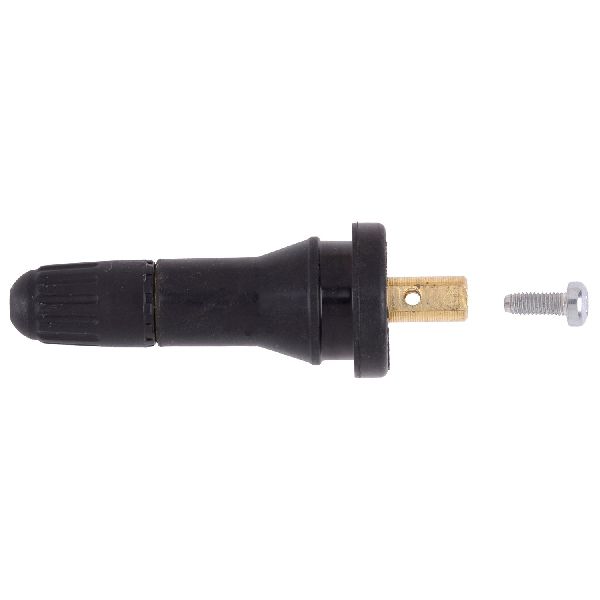
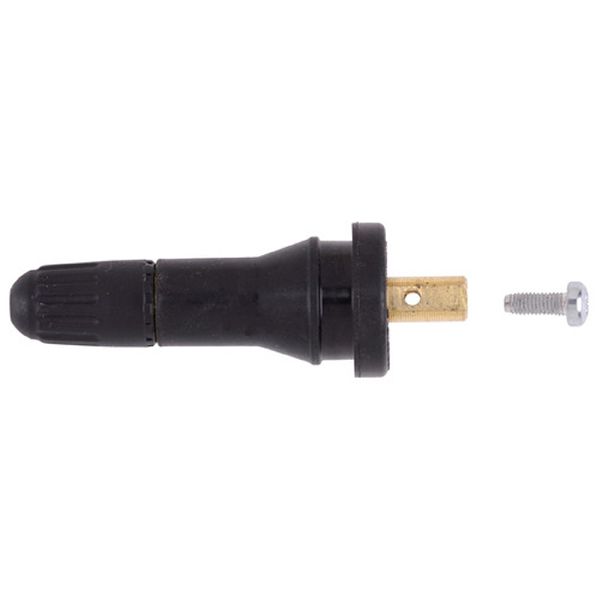
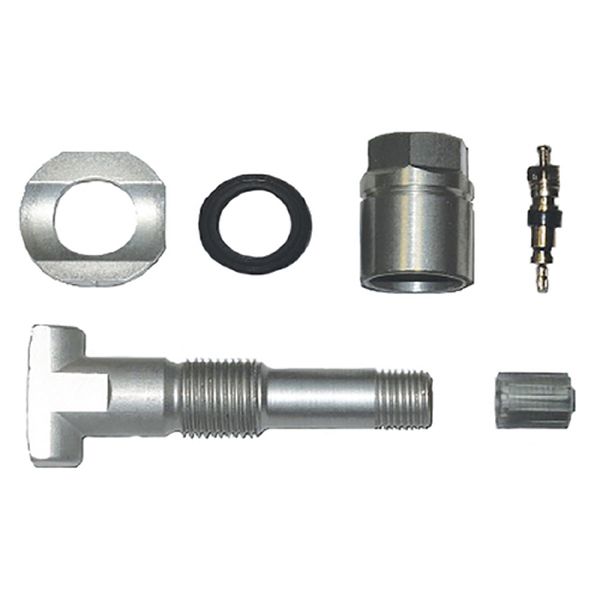
Your F-150's original sensors determine the type of stem required. Most are clamp-in metal (aluminum) valve stems. It's critical to replace it with the same style. Using a quality kit helps prevent corrosion between the aluminum stem and the wheel.
Helpful Videos
Technical Specifications
OEM Part Numbers: TPMS-46 F2GZ-1A189-F
Kit typically contains one valve stem, retaining nut, seal/grommet, valve core, and cap. Must be compatible with the vehicle's original clamp-in style sensors.
We Have This Part in Stock


The information in this article is provided for general reference and educational purposes only. Vehicle specifications, procedures, and part compatibility can vary by production date, trim level, and region. Always consult your vehicle's factory service manual and verify part numbers before purchasing or performing repairs. Safety-critical components such as airbags, seat belts, and braking systems should be installed by a qualified professional.
- Ford F-150:
- 🎬 Helpful Videos
- 🛍️ Shop This Part
- Is a TPMS Service Kit Really Necessary?
- Don't Confuse the Sensor with the Service Kit
- Symptoms of a Failing TPMS Service Kit
- Choosing the Right Aftermarket Service Kit
- Known Issues for the 2007-2015 Ford F-150
- Estimated Costs for TPMS Service Kits
- Frequently Asked Questions
- 🎟️ Get 5% Off