

A Honda Civic Owner's Guide to Replacing Suspension Control Arms (2007-2015)
Fix clunking noises, sloppy steering, and uneven tire wear on your 8th or 9th generation Civic.
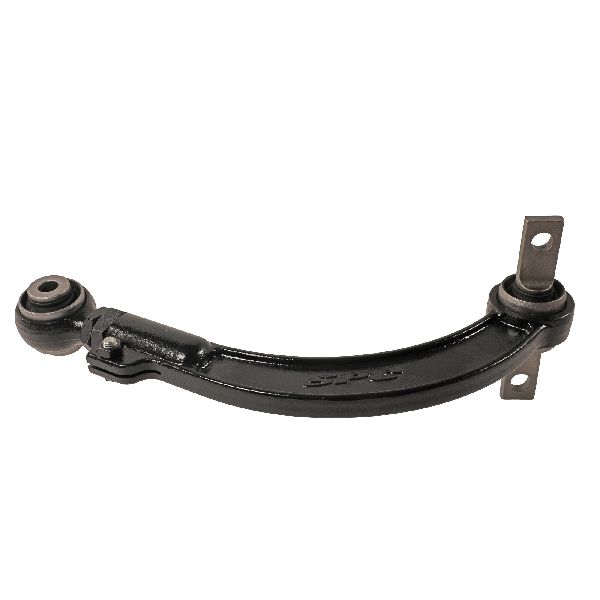
- For 2007-2011 Civics, aftermarket adjustable rear upper control arms are the best fix for the common inner tire wear problem.
- Always get a four-wheel alignment immediately after replacing any control arm to prevent tire damage and ensure safe handling.
- Replacing control arms in pairs (both front or both rear) is highly recommended for balanced performance and to avoid a repeat repair job.
- Most aftermarket control arms are complete assemblies with new bushings and ball joints, making the job much simpler.
Is Your Civic Making a Racket? It Could Be a Bad Control Arm

If your 2007-2015 Honda Civic is starting to feel less precise on the road, or if you're hearing noises that weren't there before, a worn control arm could be the culprit. These parts are designed to last a long time, but bushings and ball joints eventually wear out from hitting potholes and general use. Ignoring the symptoms can lead to unsafe handling and cause you to waste money on tires due to poor alignment.
A Notorious Issue for 2007-2011 Civics
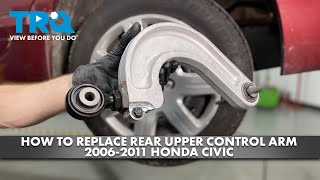
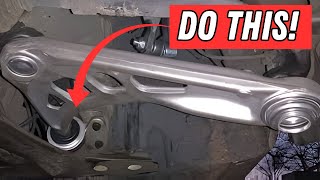
The 8th generation Civic (2007-2011) is well-known for a specific problem: the original, non-adjustable rear upper control arms can cause the rear tires to wear out quickly on the inside edge. Honda released a Technical Service Bulletin (TSB 08-001) to address this by providing a longer replacement arm to correct the negative camber. Many aftermarket companies offer adjustable rear upper control arms, which are an excellent upgrade to permanently solve this tire-wear issue.
Choosing the Right Aftermarket Control Arm

When replacing control arms, you have options ranging from basic replacements to performance upgrades. Aftermarket parts for the Civic are widely available and often provide excellent value compared to the original equipment (OEM) parts from the dealer.
Brand Tiers for Your Civic
- Performance/Premium (Whiteline, Moog): Brands like Whiteline are for owners who want to improve handling. Their control arms often feature polyurethane bushings and built-in geometry changes for better grip and steering response. Moog is known for its "problem-solver" parts that are often designed to be stronger than the original.
- Standard Replacement (Delphi, Beck Arnley): These brands aim to provide quality similar to the original parts. Delphi is a large OEM supplier for many car brands and is generally considered a solid choice for daily drivers. Beck Arnley specializes in parts for import vehicles and often sources them from the same manufacturers that supply Honda, making them a reliable option.
- Value (Dorman, Mevotech, Suspensia, Skyward): These brands offer a more budget-friendly solution. Dorman is known for its wide availability and sometimes offers unique "OE FIX" designs. Mevotech has multiple product lines, with their "Supreme" or "TTX" series being a step up in quality from their base-level parts. These are good options if you need to get your car back on the road without a high upfront cost.
Pro Tip: For the 2007-2011 Civic, strongly consider buying adjustable rear upper control arms from an aftermarket brand. This allows a technician to perfectly set the rear camber during an alignment, preventing the infamous inner tire wear problem.
What to Expect for Replacement Costs

The cost to replace a control arm can vary. The part itself is only one piece of the puzzle. You also have to factor in labor and a mandatory wheel alignment afterward.
| Component | Estimated Cost |
|---|---|
| New Aftermarket Control Arm (Single) | $51.66 - $343.35 |
| New OEM Control Arm (Single) | $304 - $405 |
| Shop Labor (per side) | $142 - $209 |
| Wheel Alignment (Required) | $100 - $200 |
Note: Prices are estimates and can vary based on your location, the specific part, and the repair shop. Labor costs are for a single control arm replacement.
Frequently Asked Questions

Do I need an alignment after replacing a control arm?
Yes, absolutely. A control arm is a key part of your suspension's geometry. Replacing it will change your alignment settings. Skipping the alignment will cause poor handling and rapid tire wear.
Should I replace control arms in pairs?
It is highly recommended. If the control arm on one side has failed due to age and wear, the other side is likely not far behind. Replacing them in pairs ensures balanced handling and saves you a second trip to the shop.
Do the new control arms come with bushings and ball joints?
Most aftermarket control arms are sold as a complete assembly with new bushings and a new ball joint already pressed in. This makes installation much easier than trying to press old bushings out and new ones in. Always check the product description to be sure.
What's the difference between front and rear control arms on my Civic?
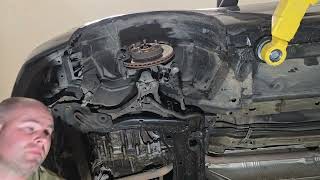
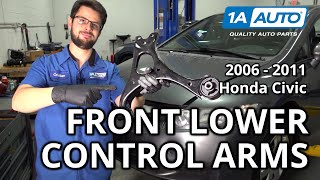
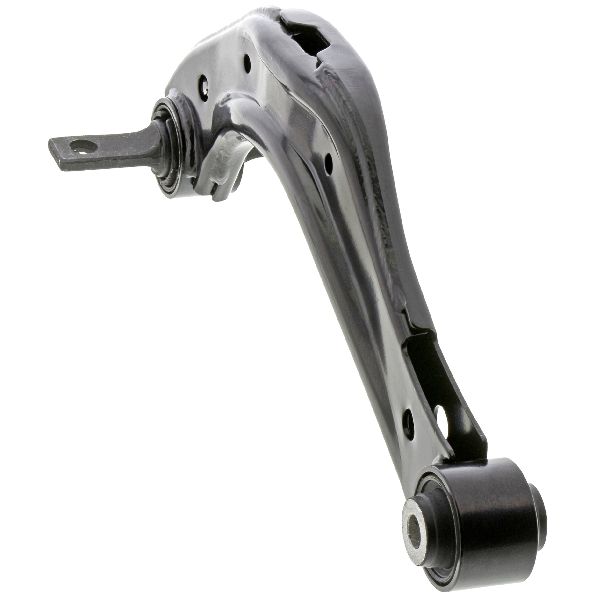
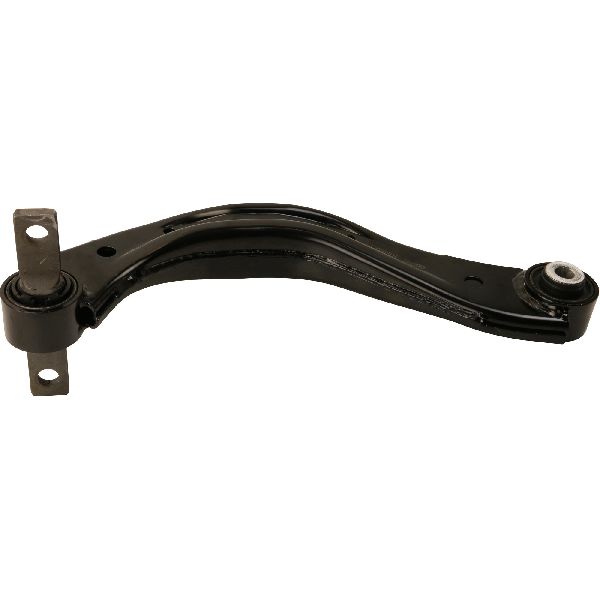
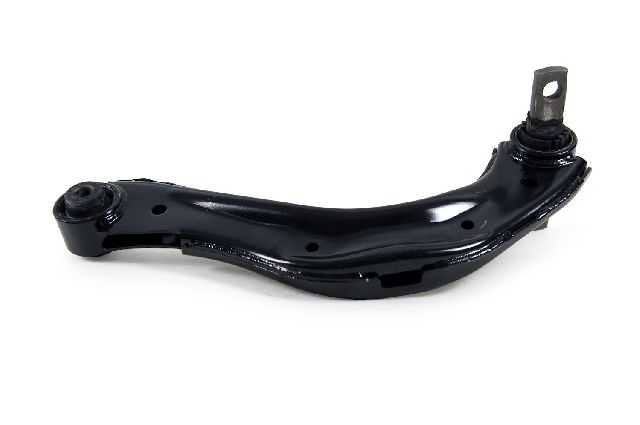
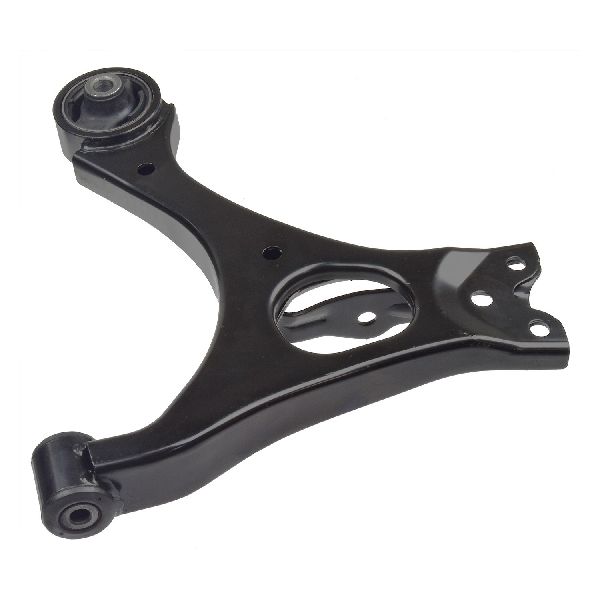
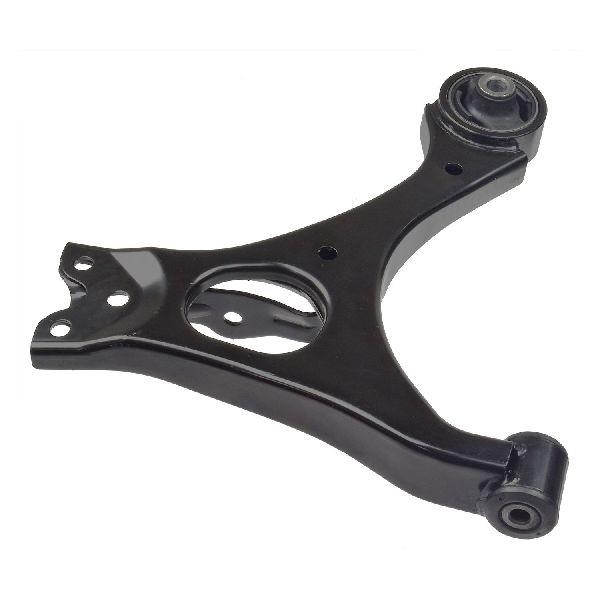
The 2007-2015 Civic has a large, A-shaped lower control arm on each side of the front suspension. The rear suspension is a more complex multi-link design that uses a smaller upper control arm and other links to control wheel movement.
Helpful Videos
Technical Specifications
OEM Part Numbers: 51360-SNA-A03 51350-SNA-A03 52390-SNA-A01
The 2007-2015 Honda Civic uses a MacPherson strut front suspension with a single lower control arm per side. The rear suspension is a multi-link design that includes an upper control arm. A notable issue for the 2007-2011 models was a factory rear upper control arm that was too short, leading to excessive negative camber and inner tire wear, addressed by Honda TSB 08-001.
We Have This Part in Stock

The information in this article is provided for general reference and educational purposes only. Vehicle specifications, procedures, and part compatibility can vary by production date, trim level, and region. Always consult your vehicle's factory service manual and verify part numbers before purchasing or performing repairs. Safety-critical components such as airbags, seat belts, and braking systems should be installed by a qualified professional.
- Honda Civic: