

A Guide to Aftermarket Spark Plugs for the 2007-2015 Honda Fit
Choosing the right spark plugs for your Fit is crucial for performance and preventing common engine issues.
- Stick with OEM brands NGK or Denso for reliable performance in your Honda Fit.
- A known issue is spark plugs loosening over time; ensure new plugs are torqued to the revised 20-22 ft-lbs spec.
- Symptoms like rough idle, poor acceleration, and decreased MPG often point to worn spark plugs.
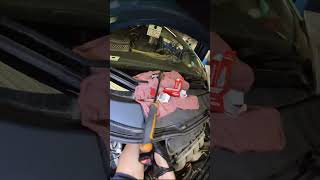
- Replacement on 2009-2015 models is more involved, requiring removal of the windshield cowl.
Symptoms of Failing Spark Plugs

Worn-out spark plugs can make your Fit feel 'off'. You might notice one or more of these signs:
- Rough Idling: The engine may shake or shudder when you're stopped at a light.
- Poor Acceleration: The car may feel sluggish or hesitant when you press the gas pedal.
- Engine Misfires: You might feel a jerking or stumbling sensation while driving. The check engine light may also come on with codes like P0300, P0301, P0302, P0303, or P0304.
- Reduced Fuel Economy: You may find yourself filling up the gas tank more often than usual.
- Difficulty Starting: The engine may take longer to crank over before it starts.
Known Issue: Loose Spark Plugs

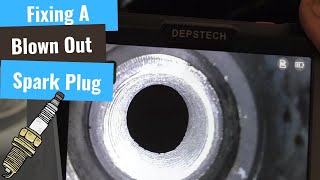
The 2007-2015 Honda Fit, particularly the second generation (2009-2014), has a well-documented issue where spark plugs can become loose over time. This often happens in the middle two cylinders (2 and 3). Early signs include a faint 'chirping' or ticking sound from the engine that changes with RPM, and sometimes a smell of gasoline. If ignored, a loose plug can be ejected from the cylinder head, causing expensive damage to the threads. 🎬 Watch a mechanic repair a blown out spark plug hole. This issue is believed to stem from an insufficient factory torque specification. Honda later revised the torque spec to be higher. When replacing plugs, it is critical to tighten them to the revised specification of 20-22 ft-lbs (27-30 N·m).
Choosing the Right Aftermarket Spark Plugs

While many brands are available, Honda engines are known to be particular about spark plugs. For the 2007-2015 Fit, your best bet is to stick with the brands Honda chose for the factory installation.
Tier 1: OEM-Equivalent (Recommended)
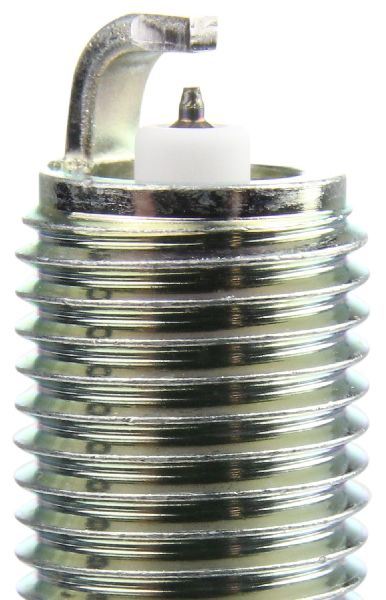
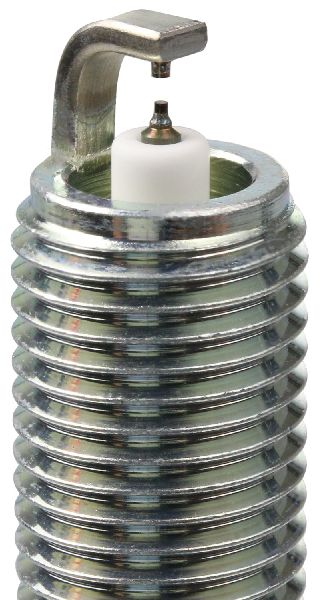
- NGK: NGK is a primary original equipment (OEM) supplier for Honda. Their Laser Iridium and Iridium IX series plugs are considered the gold standard for the Fit, offering long life and performance that matches the original parts.
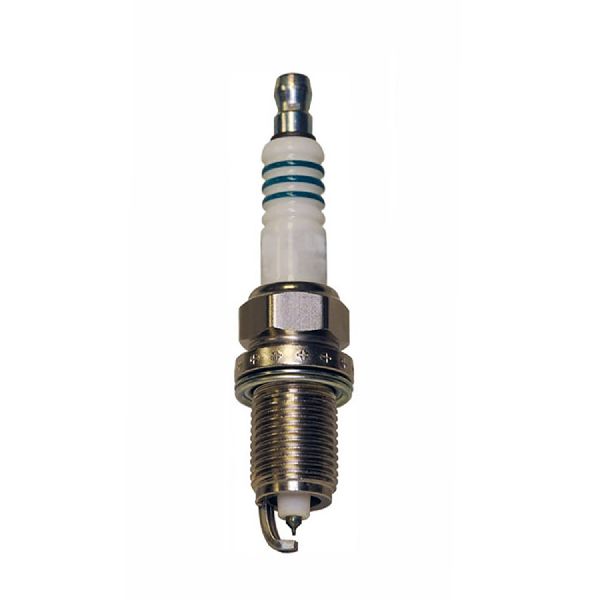
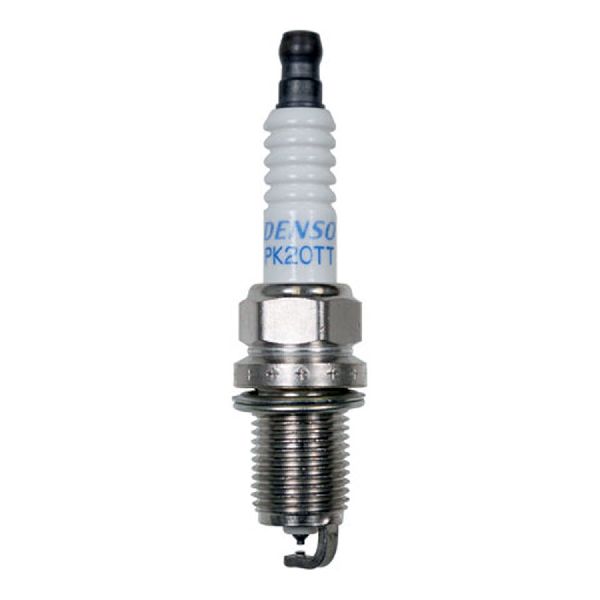
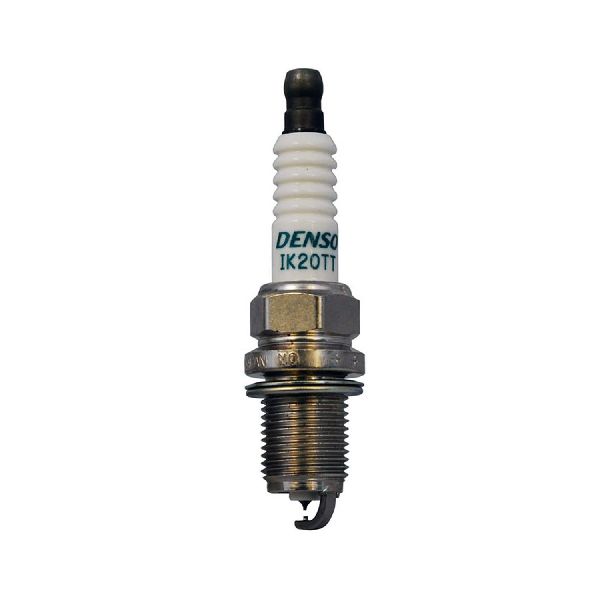
- Denso: Denso is the other OEM supplier for Honda spark plugs. Their Iridium Long Life and Iridium Power plugs are excellent alternatives to NGK and will provide factory-level performance and reliability.
You cannot go wrong choosing either NGK or Denso Iridium plugs. They are the proven choice for the Honda Fit.
Tier 2: Use With Caution
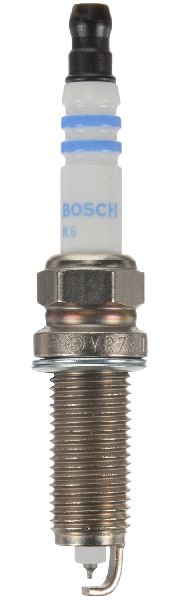
- Bosch: While a major brand, some Fit owners have reported issues like rough running or reduced power after installing Bosch iridium plugs. Given the engine's sensitivity, it's generally recommended to stick with NGK or Denso.
- Champion: Champion plugs are available but are not commonly discussed or recommended in Honda Fit communities. For peace of mind, the OEM brands are a safer choice.
Tier 3: Not Recommended
- Autolite: Many Honda owners and mechanics advise against using Autolite plugs. Forum discussions contain reports of premature failure and running issues after installation.
Pro Tip: Always buy spark plugs from a reputable auto parts source. The market is flooded with counterfeit NGK and Denso plugs, especially online. These fakes can fail quickly and even cause engine damage.
Cost of Aftermarket Spark Plugs (Set of 4)
| Brand Tier | Brand Examples | Estimated Price Range |
|---|---|---|
| Tier 1 (OEM-Equivalent) | NGK Iridium, Denso Iridium | $40 - $70 |
| Tier 2 | Bosch Iridium, Champion Iridium | $30 - $55 |
| Tier 3 (Copper/Platinum) | Autolite, Champion Copper | $20 - $40 |
Frequently Asked Questions

How often should I change the spark plugs on my Honda Fit?
The original iridium spark plugs have a long service life, with Honda's maintenance schedule suggesting replacement around 105,000 miles. However, given the known issue with plugs loosening, it's a good practice to check their torque every 30,000 miles or so. If you use standard copper or platinum plugs, they will need to be replaced much more frequently, around every 30,000 miles.
Is it hard to change the spark plugs on a Honda Fit?
It depends on the year. On the first-generation Fit (2007-2008), the plugs are relatively easy to access at the back of the engine. 🎬 Watch this step-by-step guide for first-generation spark plug replacement. On the second-generation Fit (2009-2015), the job is more difficult because the plastic cowl panel and windshield wiper assembly must be removed to gain access. While DIY-feasible for both, the second-gen requires more time and patience.
🎬 See how to remove the cowl for second-gen Fit access.Should I use anti-seize on the new spark plug threads?
This is a debated topic. Major manufacturers like NGK now apply a special plating to their plug threads that acts as a lubricant and prevents seizing. They recommend NOT using anti-seize compound, as it can act as a lubricant and cause you to over-torque the plug, potentially damaging the threads or the plug itself. It's best to follow the recommendation of the specific spark plug manufacturer.
Do I need to gap the new spark plugs?
Most modern iridium and platinum spark plugs come pre-gapped from the factory for a specific vehicle. While it's always a good idea to verify the gap with a wire-type feeler gauge, you should not attempt to re-gap a fine-wire iridium or platinum plug, as you can easily break the delicate electrode tip. If the gap is incorrect, you should get a different plug.
Helpful Videos
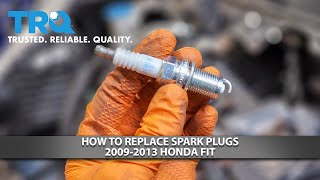
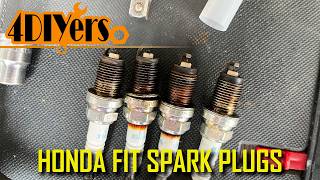
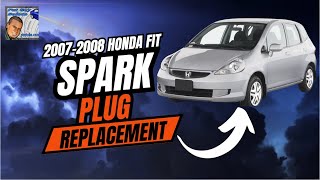
Technical Specifications
OEM Part Numbers: 12290-RB1-003 12290-RB1-004 12290-5R0-003 12290-5R0-004 9807B-56A5W
For the 2007-2013 Fit, the OEM plugs are NGK IZFR6K13 or Denso SKJ20DR-M13. For the 2015 Fit, OEM plugs include NGK DILZKAR7C11S and Denso DXE22HCR11S. All are long-life iridium plugs. The recommended torque is 20-22 ft-lbs.
We Have This Part in Stock

The information in this article is provided for general reference and educational purposes only. Vehicle specifications, procedures, and part compatibility can vary by production date, trim level, and region. Always consult your vehicle's factory service manual and verify part numbers before purchasing or performing repairs. Safety-critical components such as airbags, seat belts, and braking systems should be installed by a qualified professional.
- Honda Fit:
- 🎬 Helpful Videos
- 🛍️ Shop This Part
- Symptoms of Failing Spark Plugs
- Known Issue: Loose Spark Plugs
- Choosing the Right Aftermarket Spark Plugs
- Tier 1: OEM-Equivalent (Recommended)
- Tier 2: Use With Caution
- Tier 3: Not Recommended
- Cost of Aftermarket Spark Plugs (Set of 4)
- Frequently Asked Questions
- 🎟️ Get 5% Off