

A Guide to Aftermarket Brake Pads for the 2007-2015 Jaguar XK
Find the right brake pads for your Jaguar XK without the dealership markup, whether you prioritize low dust, quiet operation, or performance stopping power.
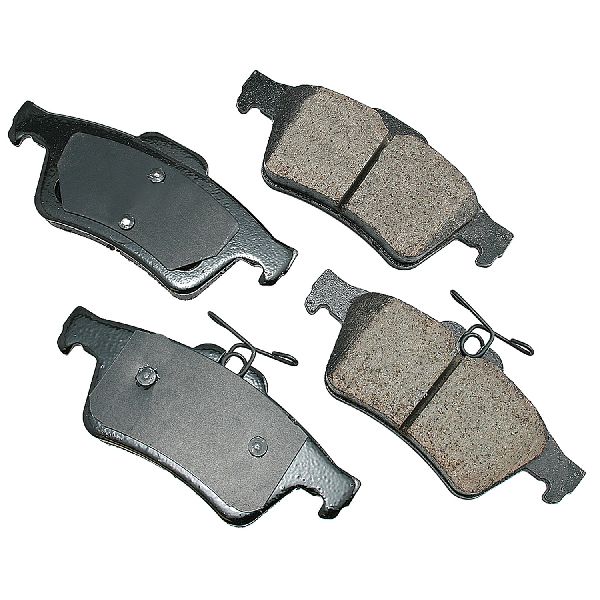
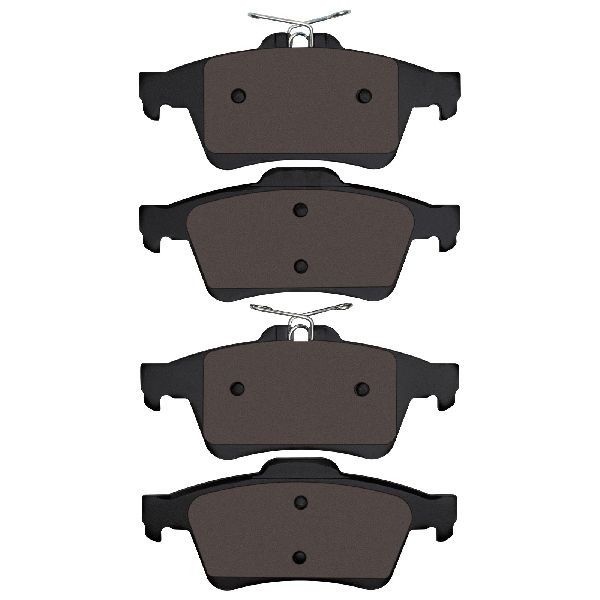
- To reduce heavy brake dust, a common issue with OEM pads, choose a quality aftermarket ceramic pad set from a brand like Akebono or Bosch.
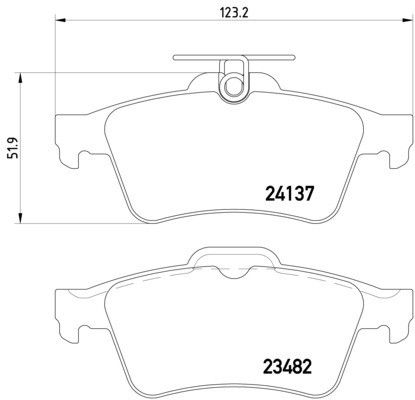
- Verify your specific model (XK vs. XKR) before ordering, as high-performance models use different, non-interchangeable brake pads.
- Replacing rear pads requires putting the Electronic Parking Brake (EPB) into service mode, which may require a special tool or procedure.
- For best results and safety, always install new pads with new or resurfaced rotors and new hardware.
Signs of Worn Brake Pads
Your Jaguar XK will give you clear warnings when it's time for new brake pads. The most common sign is a high-pitched squealing noise when you apply the brakes, caused by a small metal tab called a wear indicator. If you hear a loud grinding sound, it means the pads are completely worn away, and the metal backing plate is damaging your brake rotors, leading to a more expensive repair. Other symptoms include a brake warning light on your dashboard, a soft or spongy brake pedal, or the car pulling to one side when braking.
Don't Ignore Grinding Noises
A grinding sound indicates a critical safety issue. The brake pads are gone, and your stopping ability is severely reduced. Continuing to drive can cause extensive damage to the brake rotors and calipers.
Choosing the Right Aftermarket Brake Pads
One of the most common complaints from XK owners is the large amount of brake dust produced by the original equipment (OEM) pads. This is a primary reason many owners switch to aftermarket ceramic pads. Aftermarket brands offer a wider variety of choices to match your driving style and preferences.
- Daily Driver / OEM-Quality Pads: These pads are designed to meet or exceed the standards of the original parts. They offer a great balance of performance, low noise, and durability. Many owners find ceramic pads in this category provide stopping power similar to OEM but with significantly less dust. Brands like Akebono, Bosch, Centric, and Wagner are popular choices. Akebono's EURO and Pro-ACT lines are frequently recommended by Jaguar owners for their low-dust characteristics.
- Performance Pads: If you enjoy spirited driving or want a more aggressive initial bite, performance-oriented pads are a good option. These pads can handle higher temperatures and resist brake fade better than standard pads. However, they may produce more dust and noise than ceramic daily-driver options. Brands like Hawk Performance, Brembo, and StopTech fall into this category. Some owners also use EBC Redstuff or Yellowstuff pads for a performance upgrade.
- Economy Pads: For drivers on a tighter budget, economy pads from brands like Dynamic Friction or Pronto offer a functional and safe replacement for standard driving conditions. They meet safety requirements but may not offer the same longevity or refined feel as premium options.
A Note on XKR and Performance Models
The high-performance Jaguar XKR, especially models with the 5.0L engine or optional brake packages (like Alcon or those with red calipers), often use different, larger brake pads and calipers than the standard XK. Always verify the specific brake system on your car before ordering parts to avoid costly mistakes. Standard XK and XKR pads are not interchangeable.
| Pad Type | Estimated Cost | Best For |
|---|---|---|
| Economy Aftermarket | $27 - $60 | Basic transportation, budget-conscious repairs |
| Daily Driver / OEM-Quality Aftermarket | $60 - $150 | Most owners, balancing low dust, quietness, and performance |
| Performance Aftermarket | $120 - $245 | Spirited driving, enhanced stopping power |
| New OEM (Dealer) | $200 - $400+ | Original factory performance and feel (with dust) |
Known Issues, Recalls, and TSBs
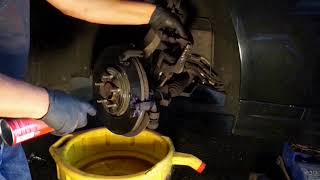
While there are no recalls specifically for the brake pads on the 2007-2015 Jaguar XK, there was a recall for some 2007 models concerning a mis-routed brake servo vacuum hose that could increase brake pedal effort. Additionally, Jaguar has issued Technical Service Bulletins (TSBs) for some earlier models in this range (approx. 2007-2008) that experienced a squeak or creak during light braking. The fix involved replacing the front pads and applying special grease 🎬 Watch: A step-by-step walkthrough for replacing your front brake pads. to contact points. Another TSB addressed squeal on standard 326mm front brakes by installing a shim kit. These issues highlight that even OEM systems can have noise problems, which can often be solved with quality aftermarket pads and proper installation.
Frequently Asked Questions (FAQ)
Do I need special tools to change my XK's rear brake pads?
Yes. The 2007-2015 Jaguar XK is equipped with an Electronic Parking Brake (EPB). To replace the rear pads, you must first put the EPB into a service or maintenance mode. This retracts the electronic caliper piston. This can be done with certain diagnostic scan tools or through a specific sequence of actions involving the ignition and parking brake switch. After replacement, the system must be recalibrated. Failure to do this can damage the EPB mechanism.
Should I replace my brake rotors at the same time as the pads?
It is highly recommended. For the best braking performance and to avoid vibrations or noise, installing new pads on a fresh, flat rotor surface is ideal. If your current rotors have a noticeable lip on the edge, show signs of heavy scoring, or cause a pulsation in the pedal when braking, they must be replaced.
What is the difference between ceramic and semi-metallic pads?
Ceramic pads, like those from Akebono, are known for being very quiet and producing a fine, light-colored dust that is much less noticeable on wheels. Semi-metallic pads tend to offer a stronger initial "bite" and can handle higher temperatures, making them good for performance use, but they typically create more noise and dark brake dust. For most XK owners looking to solve the OEM dust problem, ceramic pads are the preferred choice.
Why are my new brakes squeaking?
New brakes can sometimes squeak if they are not "bedded-in" properly. The bedding-in process involves a series of controlled stops to transfer an even layer of friction material from the new pads to the rotors. This ensures smooth, quiet operation. Squeaking can also be caused by not cleaning and lubricating the caliper slide pins and pad contact points during installation.
Helpful Videos
Technical Specifications
OEM Part Numbers: C2C39929 C2P17595 C2P26112 C2D23143
Brake systems vary by model year and trim (Standard, XKR, Supercharged). Standard front rotors are typically 326mm or 355mm, with XKR models featuring larger 380mm rotors. Always confirm your vehicle's specific brake setup before purchase.
We Have This Part in Stock
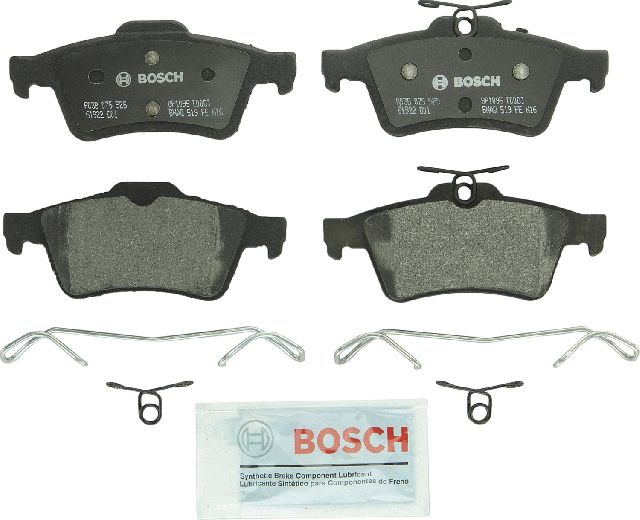
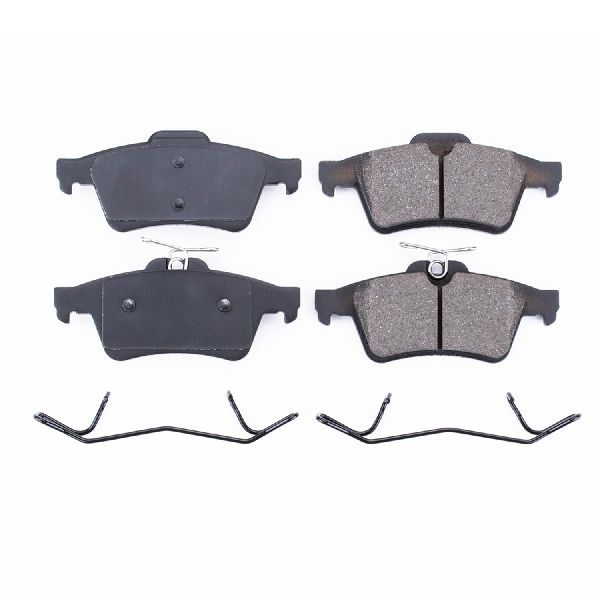
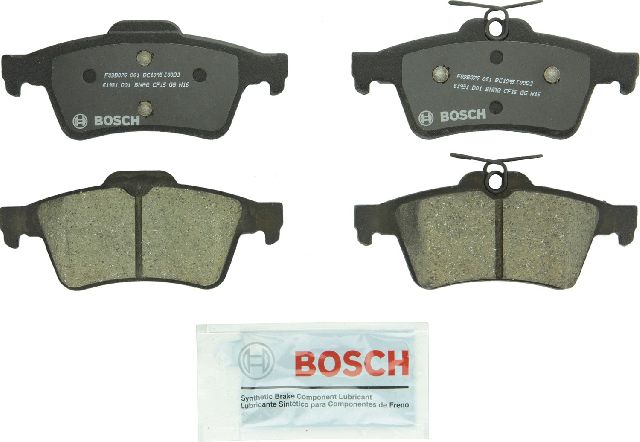

The information in this article is provided for general reference and educational purposes only. Vehicle specifications, procedures, and part compatibility can vary by production date, trim level, and region. Always consult your vehicle's factory service manual and verify part numbers before purchasing or performing repairs. Safety-critical components such as airbags, seat belts, and braking systems should be installed by a qualified professional.
- Jaguar XK: