

A Guide to Replacing the Oxygen Sensors on Your 2007-2015 Lexus ES350
Diagnose and choose the right replacement oxygen sensor to restore your Lexus ES350's fuel economy and performance.
- Denso is the original equipment manufacturer for your Lexus; choosing Denso or NGK/NTK ensures the highest compatibility and reliability.
- Your ES350 has four sensors in two different locations (Bank 1/Rear, Bank 2/Front); you must order the correct part for the specific location.
- A bad sensor will reduce fuel economy and can eventually damage your expensive catalytic converters if left ignored.
- A TSB exists for 2007-2010 models where a downstream sensor code (P0138/P0158) may actually be caused by a failing upstream sensor.
Is Your Lexus ES350 Oxygen Sensor Failing?

A failing oxygen sensor is a common issue that will almost always trigger your check engine light. Beyond the light on your dash, you might notice your ES350 is getting worse gas mileage than before, idling roughly, or hesitating when you accelerate. In some cases, you may even smell a 'rotten egg' odor from the exhaust, which is a sign of unburned fuel being processed by the catalytic converter. Ignoring these symptoms can lead to more expensive repairs down the road, including damage to your catalytic converters.
Choosing the Right Aftermarket Oxygen Sensor

When shopping for a replacement, it's crucial to buy the correct sensor for the specific location. Your ES350 has a V6 engine with two cylinder banks. Bank 1 is the rear bank, closer to the firewall, and Bank 2 is the front bank, closer to the radiator. Sensor 1 is always the upstream (pre-catalytic converter) sensor, and Sensor 2 is the downstream (post-catalytic converter) sensor. For example, a code for 'Bank 1, Sensor 2' refers to the downstream sensor on the rear cylinder bank.
Brand Quality Tiers for the ES350
Not all aftermarket brands are created equal. For a sensitive system like your Lexus's engine management, brand choice matters.
- Tier 1 (OEM & Equivalent): Denso, NGK/NTK
Denso is the original equipment manufacturer (OEM) for Lexus, meaning they made the part that was installed at the factory. Choosing a Denso aftermarket sensor is the safest bet for a perfect fit and reliable performance. NGK (also sold under the NTK brand for sensors) is another top-tier Japanese manufacturer with a reputation for quality that rivals OEM. - Tier 2 (Reputable Aftermarket): Bosch, Delphi
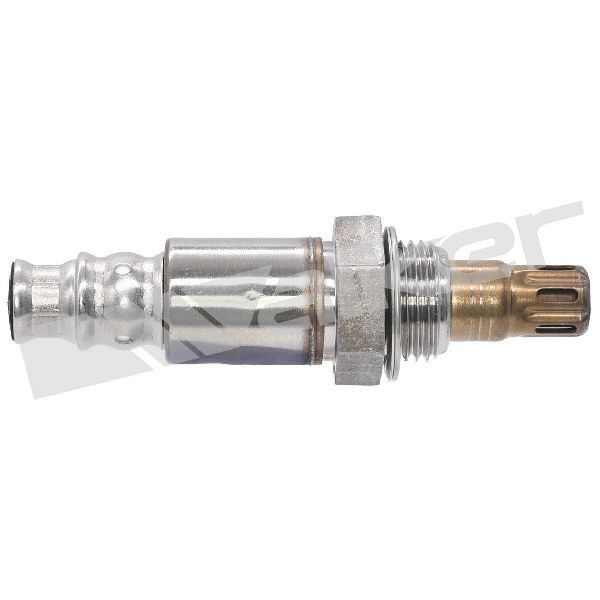
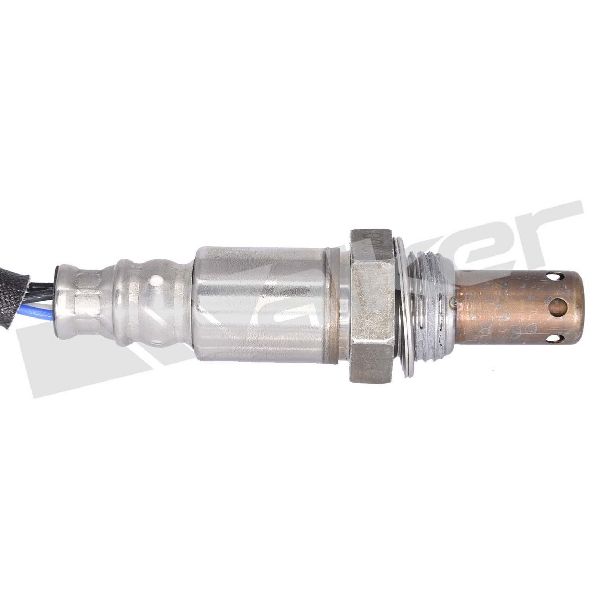
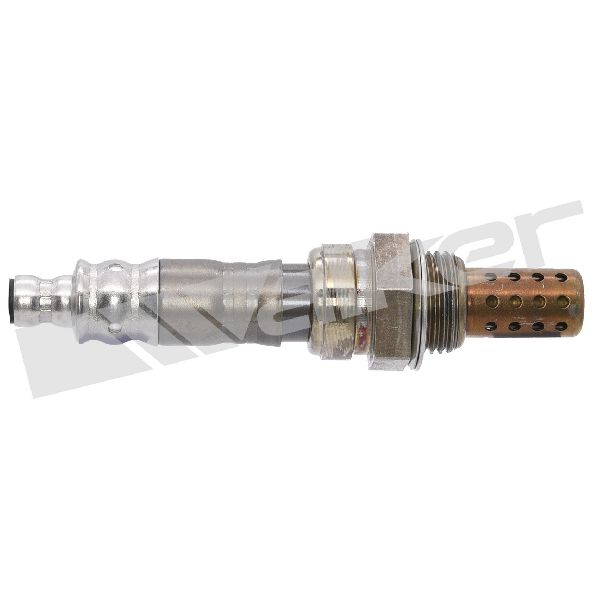
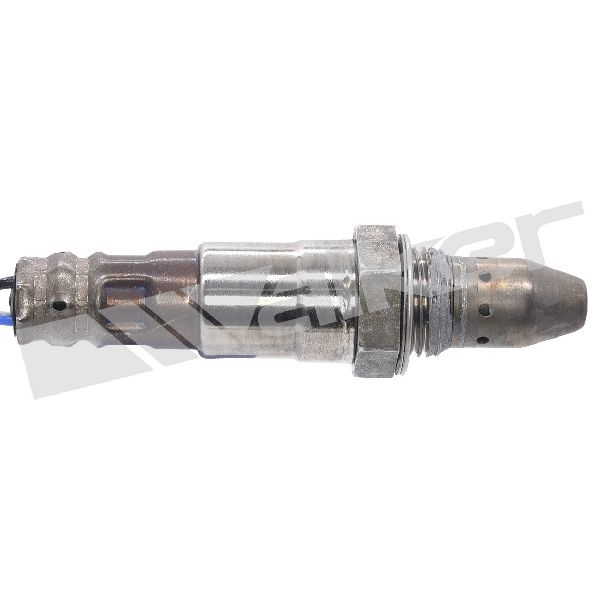
Bosch is a massive sensor manufacturer that invented the modern O2 sensor. While highly reputable, some professional mechanics and owners prefer to stick with the Japanese OEM brands (Denso/NGK) for Japanese vehicles. Delphi is another large OEM supplier with a solid reputation for quality electronic components. - Tier 3 (Budget-Friendly): Walker Products, DriveWire, Spectra
These brands offer a more affordable solution. Walker Products are widely available, but owner experiences can be mixed; some report long life while others have seen premature failures. These brands can be a viable option if budget is the primary concern, but may not offer the same longevity as OEM-tier parts.
Known Issues: TSB for P0138/P0158 Codes

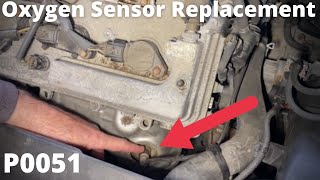
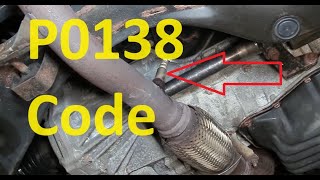
Lexus issued a Technical Service Bulletin (TSB) for some 2007-2010 ES350 models. These vehicles may show a check engine light with codes P0138 (Bank 1 Sensor 2 High Voltage 🎬 Watch this guide on diagnosing and fixing the P0138 code.) or P0158 (Bank 2 Sensor 2 High Voltage). The TSB notes that the root cause may actually be a faulty upstream Air/Fuel sensor, not the downstream sensor indicated by the code. If you have one of these codes, it's worth investigating the health of the upstream A/F sensor before replacing the downstream one.
| Part Type | Estimated Cost |
|---|---|
| New OEM (Denso) | $130 - $200 |
| New Aftermarket | $25 - $308 |
| Used OEM | $40 - $75 |
| Shop Labor | $100 - $250 |
Frequently Asked Questions

How many oxygen sensors does a 2007-2015 Lexus ES350 have?
It has four sensors in total: two upstream Air/Fuel sensors and two downstream oxygen sensors.
What's the difference between Bank 1 and Bank 2?
On the ES350's transverse-mounted engine, Bank 1 is the rear cylinder bank located against the firewall. Bank 2 is the front cylinder bank, near the radiator and easier to see.
Which sensor is the hardest to replace?
The Bank 1, Sensor 1 (upstream rear) sensor is notoriously difficult to access 🎬 Watch this walkthrough for replacing the difficult Bank 1 Sensor 1. due to the tight space between the engine and the firewall. The other three are significantly easier to reach.
🎬 See how to replace the more accessible front O2 sensors.Can I clean an oxygen sensor instead of replacing it?
It is not recommended to clean an oxygen sensor. The sensing element is delicate and can be damaged by solvents or even rough handling. Contaminants often penetrate the sensor internally, making cleaning ineffective. Replacement is the only reliable solution.
Why are some sensors so much more expensive than others?
The price difference comes from brand reputation, quality of materials, and sensor type. Upstream Air/Fuel ratio sensors are more complex and more expensive than downstream oxygen sensors. OEM brands like Denso cost more than budget-friendly brands due to their manufacturing standards and proven longevity.
Helpful Videos
Technical Specifications
OEM Part Numbers: 89465-06250 89465-33360 89467-07030 89467-33180
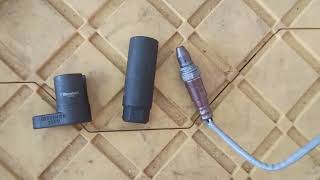
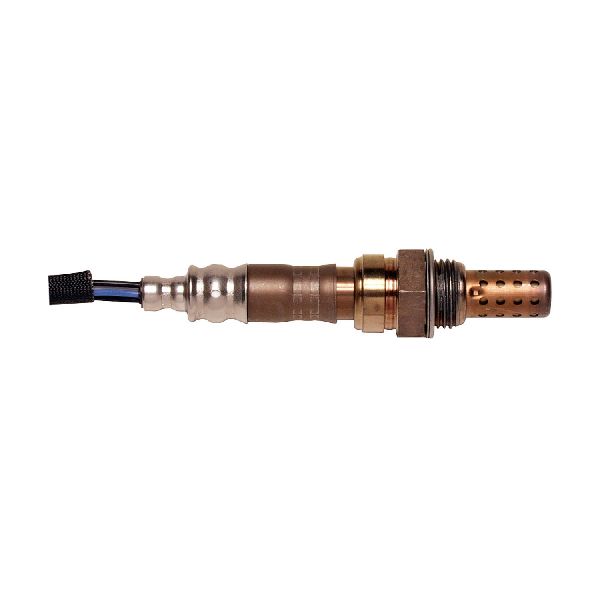
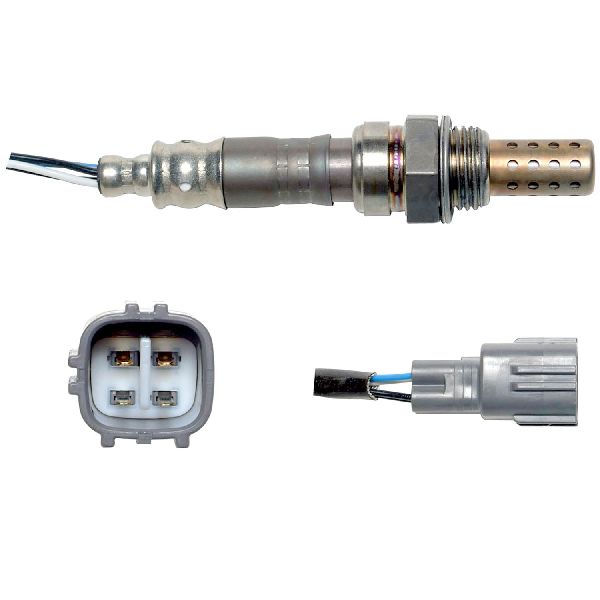
Your ES350 uses two upstream wideband Air/Fuel ratio sensors and two downstream planar oxygen sensors. All four are heated, 4-wire sensors. The tool size for removal is typically 22mm or 7/8 inch.
We Have This Part in Stock

The information in this article is provided for general reference and educational purposes only. Vehicle specifications, procedures, and part compatibility can vary by production date, trim level, and region. Always consult your vehicle's factory service manual and verify part numbers before purchasing or performing repairs. Safety-critical components such as airbags, seat belts, and braking systems should be installed by a qualified professional.
- Lexus ES350: