

Engine VVT Solenoid Guide for 2007-2015 Mazda CX-9
Experiencing rough idle or poor performance in your Mazda CX-9? A failing VVT solenoid could be the culprit.
- A failing VVT solenoid in your CX-9 will typically cause a Check Engine Light, rough idle, and poor performance.
- The most common cause of failure is old or dirty engine oil; always change your oil when replacing a solenoid.
- This is a DIY-friendly repair, with the solenoids located on the valve covers and held by a single bolt.
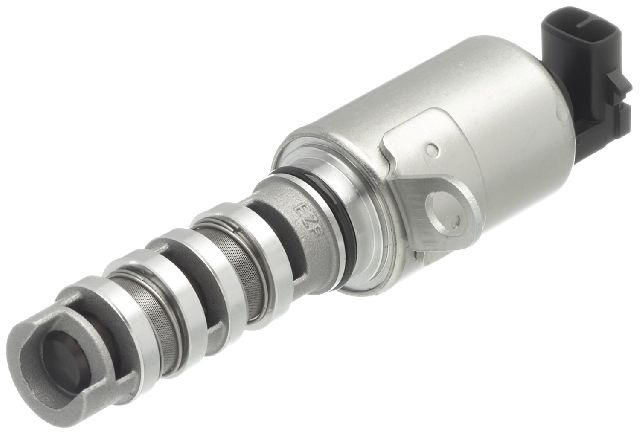
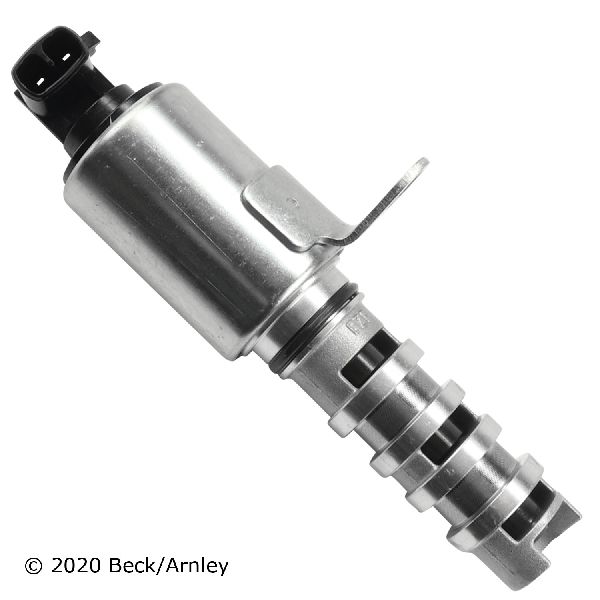
- Aftermarket brands like Beck Arnley and Standard Ignition offer high-quality replacements that can be more affordable than OEM parts.
Is Your CX-9 VVT Solenoid Failing?

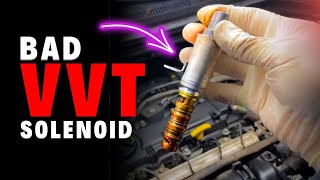
A bad VVT solenoid can cause a range of noticeable problems. Because the solenoid's job is to control oil flow to adjust cam timing, many symptoms are related to poor engine performance. 🎬 Watch this guide on VVT solenoid symptoms and troubleshooting. The most common cause of failure is contaminated or dirty engine oil, which can clog the small passages and screens inside the solenoid.
Common Symptoms of a Bad VVT Solenoid:
- Check Engine Light: This is often the first sign. The computer will detect a problem with the camshaft timing and trigger a trouble code.
- Rough Idle & Stalling: The engine may shake, run unevenly, or even stall when you're stopped.
- Poor Acceleration: Your CX-9 might feel sluggish or lack its usual "zoom-zoom" power.
- Decreased Fuel Economy: When the engine can't adjust timing for efficiency, you'll notice more trips to the gas station.
- Engine Noise: You might hear a rattling or ticking noise from the engine, especially at idle.
Choosing the Right Aftermarket VVT Solenoid

When replacing a VVT solenoid on your Mazda CX-9, you don't have to buy an expensive OEM part from the dealer. Several reputable aftermarket brands offer quality replacements that meet or exceed original specifications. These parts are designed to be a direct fit, making installation straightforward.
Aftermarket Brand Tiers
Not all aftermarket parts are created equal. Here’s a general breakdown of the brands available:
- Premium Aftermarket (Often OE-equivalent): Brands like Beck Arnley and Standard Ignition (SMP) have a strong reputation. Beck Arnley often sources parts from the original equipment manufacturers, so you might get an OEM part in a different box. Standard Ignition is known for robust engineering, often using features like anodized steel components to resist sludge buildup.
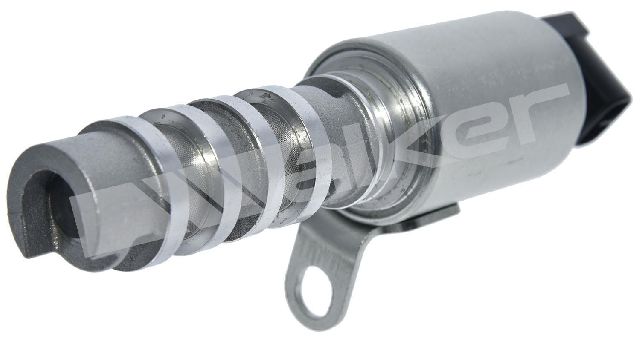
- Trusted Aftermarket Brands: Gates is a well-known name that produces OE-quality parts designed for durability and exact fit. Walker Products and Rostra Powertrain are also established players in the aftermarket, providing reliable replacement options.
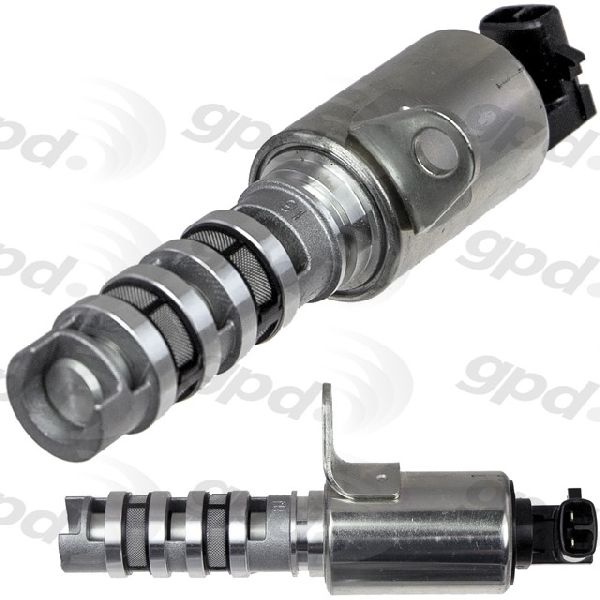
- Standard/Economy Aftermarket: Brands like Global Parts offer a more budget-friendly solution. While they meet basic fit and function requirements, they may not have the same longevity or advanced materials as premium brands.
Pro Tip: The 3.7L V6 in your CX-9 was also used in the Mazda 6 and several Ford models like the Edge and Flex. This means parts are widely available from many brands. When choosing, prioritize brands known for quality electronic engine components like Standard Ignition or Beck Arnley.
How Much Does a VVT Solenoid Replacement Cost?

The cost can vary significantly depending on whether you do the job yourself or take it to a shop. The solenoids themselves are relatively affordable.
| Item | Estimated Cost |
|---|---|
| New Aftermarket VVT Solenoid | $79 - $129 |
| Shop Labor | $213 - $312 |
| Total Professional Replacement | $292 - $441 (for one solenoid) |
Note: Your CX-9 has multiple VVT solenoids (intake and exhaust for each cylinder bank). Costs are per solenoid. Shop estimates can be much higher, with some sources quoting over $700 for a single solenoid replacement.
Frequently Asked Questions (FAQ)

Can I replace the VVT solenoid myself?
Yes, this is a DIY-friendly job for many owners. The solenoids are typically located on the front and rear of the engine's valve covers, held in by a single bolt. Accessing the rear solenoids near the firewall can be tight, but the process involves unplugging the electrical connector, removing the bolt, and carefully pulling the old solenoid out. Always lubricate the O-rings on the new solenoid with clean engine oil before installation.
🎬 See how to quickly replace a VVT solenoid yourself.How many VVT solenoids does my 2007-2015 CX-9 have?
The Mazda CX-9's V6 engine has four VVT solenoids. There is one for the intake camshaft and one for the exhaust camshaft on each of the two cylinder banks. When you get a trouble code, it will usually specify which bank and which solenoid (e.g., Bank 1, Intake) is having a problem.
Are there any recalls or TSBs for the CX-9 VVT system?
There are no specific recalls for the VVT solenoids on the 2007-2015 Mazda CX-9. However, Mazda has issued Technical Service Bulletins (TSBs) related to VVT noise and timing chain issues, which can sometimes be related to solenoid function. A TSB is not a recall but provides technicians with standardized repair procedures for known issues.
What's the most important thing to do after replacing a VVT solenoid?
Change your engine oil and filter. The number one cause of VVT solenoid failure is dirty or sludgy oil. Putting a new solenoid into an engine with old, contaminated oil is asking for the new part to fail prematurely. Using the correct oil viscosity and following a regular oil change schedule is the best way to protect your VVT system.
Helpful Videos

Technical Specifications
OEM Part Numbers: CY0114420A CY0114420B
The 2007-2015 Mazda CX-9 uses a 3.5L or 3.7L DOHC V6 engine. This engine has four VVT solenoids in total: one intake and one exhaust solenoid for each of the two cylinder banks.
We Have This Part in Stock


The information in this article is provided for general reference and educational purposes only. Vehicle specifications, procedures, and part compatibility can vary by production date, trim level, and region. Always consult your vehicle's factory service manual and verify part numbers before purchasing or performing repairs. Safety-critical components such as airbags, seat belts, and braking systems should be installed by a qualified professional.
- Mazda CX-9: