

A Guide to the Air/Fuel Ratio Sensor for the 2007-2015 Mini Cooper
If your Mini is running rough or getting bad gas mileage, this critical sensor could be the reason.
- The Air/Fuel Ratio Sensor is the 'upstream' O2 sensor; a failure directly impacts engine performance and fuel economy.
- Ignoring a bad sensor can lead to costly damage to the catalytic converter.
- High-quality aftermarket brands like Denso and NGK/NTK offer OEM performance without the dealer price tag.
- Replacement is a manageable DIY task requiring a special O2 sensor socket, but the sensor can be difficult to remove.
Understanding the Upstream Air/Fuel Ratio Sensor
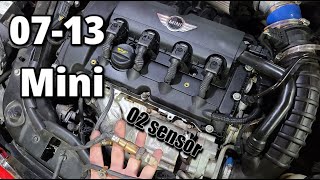
When you hear someone talk about an O2 sensor on a Mini Cooper, they're usually talking about one of two types. The one this article focuses on is the Air/Fuel Ratio Sensor, which is the upstream sensor (also called Sensor 1). It is located on the exhaust manifold near the engine. Its job is to provide real-time feedback so the engine can fine-tune the air-fuel mixture. There is also a downstream sensor (Sensor 2) located after the catalytic converter that mainly checks if the converter is working correctly. A problem with the upstream sensor is more likely to cause noticeable driving issues.
Common Symptoms of a Failing Sensor
Air/Fuel Ratio sensors are wear-and-tear items and typically need replacement around 100,000 miles, though they can fail sooner. When they start to go bad, your Mini's computer (DME) gets bad information, leading to several problems. The most obvious sign is a Check Engine Light on your dashboard. You may also notice a significant drop in fuel economy, a rough or unstable idle, hesitation when you accelerate, or a general lack of power. 🎬 Watch: Learn more about common symptoms of a bad sensor In some cases, you might smell a sulfur or "rotten egg" smell from the exhaust, which is a sign the engine is running too rich and potentially damaging the expensive catalytic converter.
Don't Ignore the Check Engine Light
While you can technically drive with a bad air/fuel sensor, it's not a good idea. The engine will go into a default "open-loop" mode, which runs a rich fuel mixture to be safe. Continuing to drive this way will result in very poor gas mileage and can quickly damage your catalytic converter, a much more expensive repair.
Choosing the Right Aftermarket Part: OEM vs. Denso & NGK
When it comes to critical engine sensors, quality matters. For the 2007-2015 Mini Cooper, the original factory (OEM) sensor was often made by Bosch or NTK. However, you don't need to buy the part from a Mini dealer to get OEM quality.
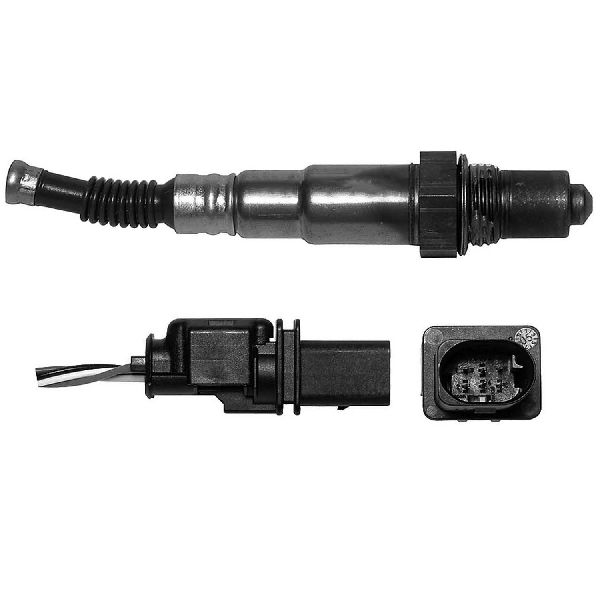
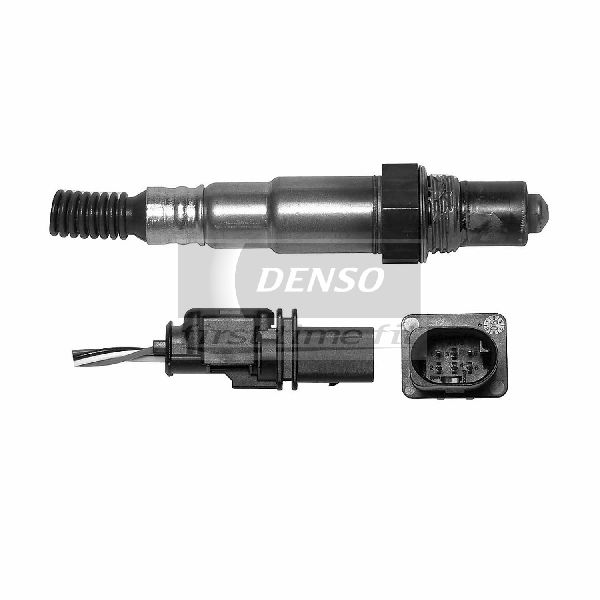
- Denso and NGK (NTK): Both Denso and NGK (which sells sensors under the NTK brand) are top-tier, global manufacturers that supply original parts to many carmakers. For your Mini, a direct-fit sensor from either of these brands is considered an OEM-equivalent part. They are engineered to the same specifications as the original and will perform reliably. Forum and mechanic consensus holds both brands in high regard.
- OEM-Branded Part: This is the part you would buy from a Mini dealership. It will come in a Mini-branded box but is often the same Bosch or NTK sensor inside, just at a much higher price.
- Store Brands/No-Name Parts: Avoid generic or unbranded sensors. While cheaper, they often have lower quality control, may not provide accurate readings to the DME, and can fail prematurely, forcing you to do the job all over again.
A Note on Similar Symptoms
A Technical Service Bulletin (TSB) for Minis notes that heavy carbon buildup on the intake valves and fuel injectors can cause similar symptoms like hesitation, rough idle, and poor fuel efficiency. This is often related to fuel quality and driving style. If you replace your sensor and still have issues, this is another area to investigate.
Estimated Costs
Replacing the air/fuel ratio sensor can be a DIY job, but here is a breakdown of what to expect for parts and labor.
| Part / Service | Estimated Cost |
|---|---|
| New Aftermarket Sensor (Denso, NGK) | $122 - $166 |
| New OEM Sensor (Dealer) | $250 - $415 |
| Shop Labor | $115 - $165 |
| Total Professional Replacement | $491 - $579 |
Frequently Asked Questions
Can I replace just one oxygen sensor?
Yes. The sensors work independently, and you only need to replace the one that has failed. The upstream (Air/Fuel Ratio) and downstream sensors are different parts and are not interchangeable.
Is this a difficult job to do myself?
For the upstream sensor, it is a moderately easy DIY job. It's located at the top of the engine on the exhaust manifold. You will need a special tool called an oxygen sensor socket, which has a slot for the wire. The hardest part is often breaking the old sensor loose, as it can get seized in the hot exhaust manifold.
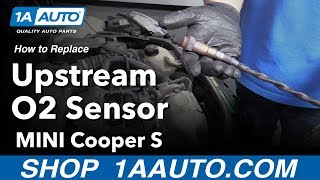
🎬 See this step-by-step guide for replacing the upstream sensorWhat are the diagnostic codes for a bad air/fuel sensor?
Common codes include P0141 (Heater Circuit Malfunction), P0136 (O2 Sensor Circuit Malfunction), and P0137 (O2 Sensor Circuit Low Voltage). You may also see fuel trim codes like P2187 (System Too Lean at Idle). A code reader is necessary to confirm the issue.
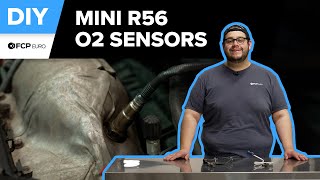
🎬 Watch: A complete DIY walkthrough for R56 Mini Cooper ownersAre there any recalls for the air/fuel sensor on the 2007-2015 Mini Cooper?
No, there are no specific recalls or technical service bulletins from MINI or the NHTSA for a faulty air/fuel ratio sensor on this vehicle. Failures are typically due to normal wear and tear.
Helpful Videos
Technical Specifications
OEM Part Numbers: 11787590713 11787560957
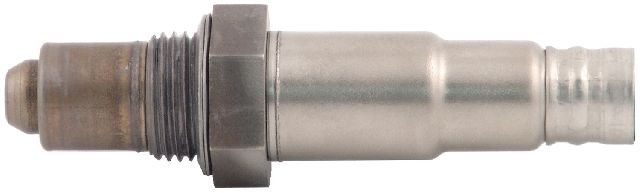
This is the upstream, wideband, 5-wire, heated air/fuel ratio sensor (Bank 1, Sensor 1).
We Have This Part in Stock

The information in this article is provided for general reference and educational purposes only. Vehicle specifications, procedures, and part compatibility can vary by production date, trim level, and region. Always consult your vehicle's factory service manual and verify part numbers before purchasing or performing repairs. Safety-critical components such as airbags, seat belts, and braking systems should be installed by a qualified professional.
- Mini Cooper: