

Guide to Replacing the Engine VVT Solenoid on a 2007-2016 Audi Q7
Fix your Q7's rough idle, poor performance, and check engine light by understanding its camshaft adjustment system.
- A bad VVT solenoid will cause a Check Engine Light, rough idle, and poor acceleration.
- The leading cause of failure is dirty engine oil; always use the correct oil and change it on time.
- Replacement is possible for a DIYer, but access is tight, especially on the 3.6L engine.
- There are no safety recalls for this part, but its failure is a known issue that should be addressed to prevent further engine damage.
What is an Engine VVT Solenoid?

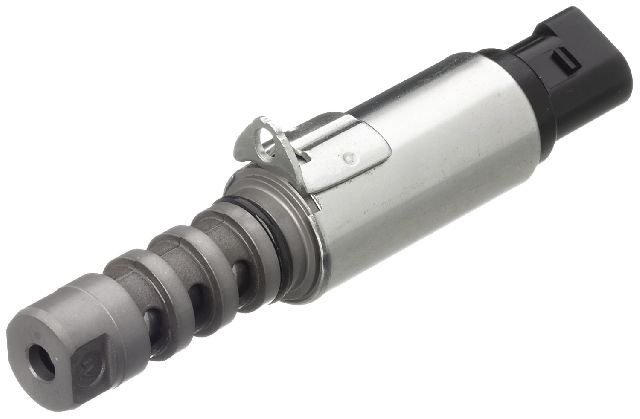
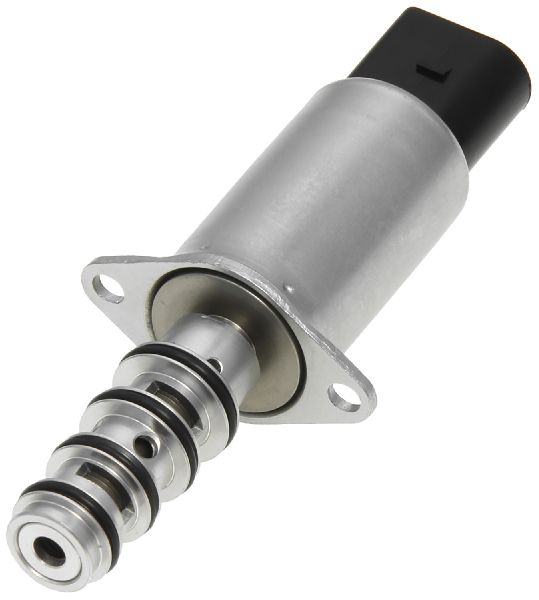
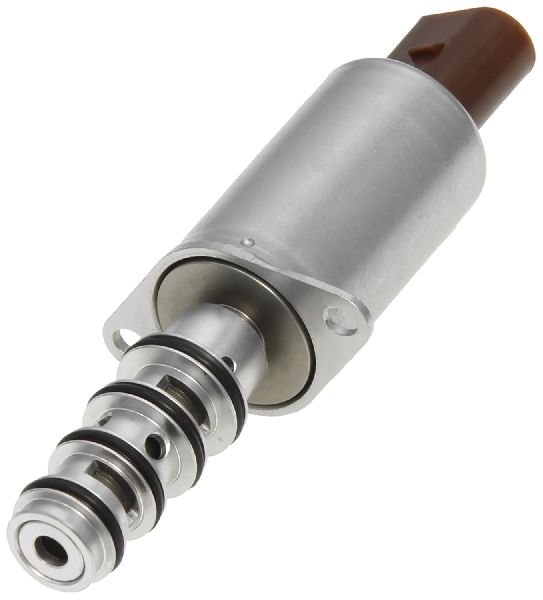
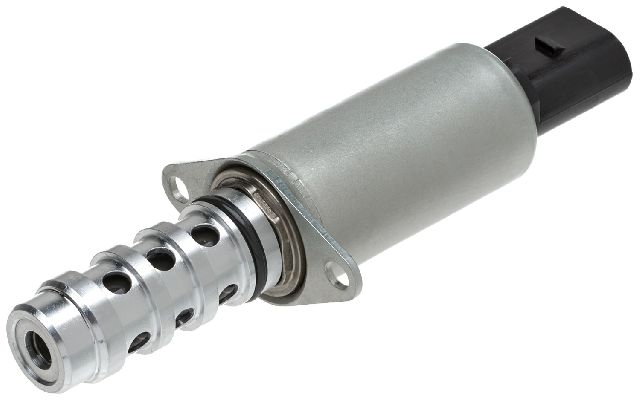
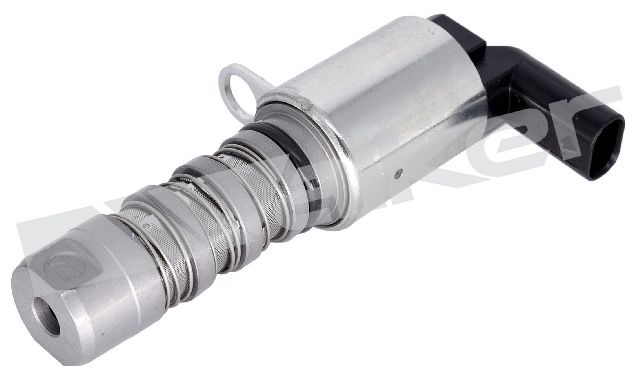
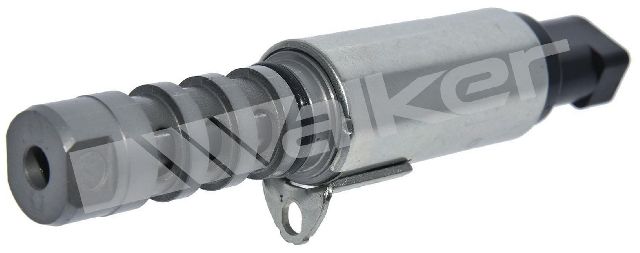
Think of the VVT solenoid as a traffic cop for the oil in your engine's cylinder head. It's an electromagnetic valve that controls oil flow to the camshaft phasers. By changing the oil pressure going to these phasers, it adjusts the camshaft's position. This advances or retards when the engine's valves open and close. This constant adjustment helps your engine perform efficiently at all speeds, from idling at a stoplight to accelerating on the highway.
Symptoms of a Failing VVT Solenoid in an Audi Q7

When a VVT solenoid starts to fail, your Q7 will usually let you know. The most common cause of failure is old or dirty engine oil clogging the tiny passages inside the solenoid. You might also have a simple oil leak from a hardened O-ring seal on the solenoid itself.
Common signs of a bad VVT solenoid include:
- Check Engine Light: This is often the first sign. The light will come on when the ECU detects a problem with the camshaft timing.
- Rough Idle: Your Q7 may shake or run unevenly when stopped.
- Poor Engine Performance: You may notice the engine feels sluggish, hesitates during acceleration, or lacks power.
- Bad Fuel Economy: If the engine timing is off, it will burn more fuel than necessary.
- Engine Noise: A rattling or ticking sound from the top of the engine, especially on a cold start, can point to a faulty solenoid.
Don't Ignore the Check Engine Light
While a bad VVT solenoid won't stop your car immediately, driving with it for too long is risky. It can lead to more serious and expensive damage to other engine parts, like the timing chain.
Choosing the Right Aftermarket VVT Solenoid

When shopping for a replacement, you'll find a wide range of brands and prices. For a precision part like this on an Audi, quality matters. Aftermarket parts can be as good as OEM, but you need to choose carefully.
- Premium Aftermarket (OEM-Equivalent): Brands like Hella, Vaico, and INA often manufacture parts for German automakers. They are known for high-quality engineering that matches the original part's performance. Standard Ignition (SMP) and Gates also have a strong reputation for durable electronic components and timing parts. These are a reliable choice for your Q7.
- Standard Aftermarket: Brands like Dorman and Spectra offer a more budget-friendly option. Dorman is known for making widely available parts and sometimes redesigns them to fix original flaws. However, for electronic parts like solenoids, owner reviews are often mixed, with some reporting failures sooner than expected.
- A Note on Kits: You may see kits that include multiple solenoids. The 4.2L V8 engine uses four solenoids, while V6 engines use two. If one has failed due to oil contamination, the others may not be far behind. Replacing them all at once can be a good preventative measure, especially if the replacement job is labor-intensive on your specific engine.
The Most Important Thing: Clean Oil
No matter which brand you choose, the best way to make your new VVT solenoids last is to use the correct, high-quality engine oil and change it on schedule. Sludge is the number one killer of these parts.
Known Issues, TSBs, and Recalls
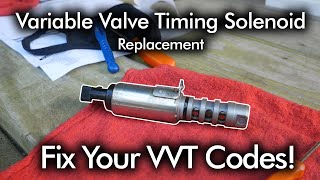
There are no active safety recalls from the NHTSA for VVT solenoid failure on the 2007-2016 Audi Q7. However, Audi has issued Technical Service Bulletins (TSBs) related to camshaft adjuster problems. TSB 2041097/* addresses the check engine light with codes P0011 and P0021 and advises checking the control valve. 🎬 See this walkthrough on fixing VVT codes and replacing solenoids. This shows it's a known issue, but not a safety recall, so repairs are typically not covered for free outside of the vehicle's warranty.
Cost to Replace an Audi Q7 VVT Solenoid
| Part Type | Estimated Cost |
|---|---|
| New OEM | $250 - $420 per solenoid |
| New Aftermarket | $42 - $200 per solenoid |
| Shop Labor | $120 - $250 |
Costs are estimates and can vary based on your location, vehicle's engine, and the specific parts chosen. The 3.6L engine can be more labor-intensive.
Frequently Asked Questions

How many VVT solenoids does my Audi Q7 have?
It depends on your engine. The 4.2L V8 has four solenoids (one for each of the four camshafts). The 3.6L VR6 and 3.0T V6 engines have two solenoids.
Where is the VVT solenoid located?
Location varies by engine. On the 4.2L V8, they are on the top of the engine, on the front of the valve covers. On the 3.6L VR6, they are located on the back of the engine (transmission side) and can be difficult to access. On the 3.0T, they are on the front of the cylinder heads, behind the upper timing covers.
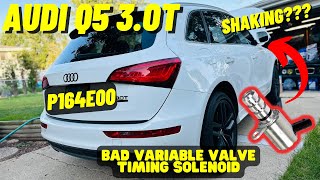
🎬 Watch: A quick guide to fixing 3.0T VVT solenoid issues.Can I clean my VVT solenoid instead of replacing it?
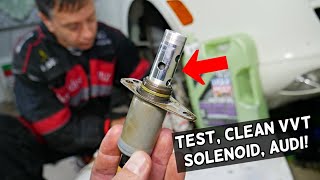
Sometimes, cleaning can restore function, especially if the issue is minor clogging. You can remove the solenoid and use a cleaner to flush out debris. However, if the solenoid's internal electronics have failed or it is heavily sludged, replacement is the only option. 🎬 Watch: How to test and clean your VVT solenoid first. Given the labor to access the part, many owners choose to replace it for peace of mind.
Is a VVT solenoid the same as a camshaft position sensor?
No, they are different parts that work together. The camshaft position sensor reads the speed and position of the camshaft and sends that information to the engine computer. The VVT solenoid is an actuator that the computer uses to *change* the camshaft's position. It's possible for a bad camshaft position sensor to cause similar symptoms.
Helpful Videos
Technical Specifications
OEM Part Numbers: 06E109257P 06L109259D 06H109259A 06H109259C
12-volt, 2-pin electromagnetic solenoid. The number of solenoids required depends on the engine (two for V6, four for V8).
We Have This Part in Stock

The information in this article is provided for general reference and educational purposes only. Vehicle specifications, procedures, and part compatibility can vary by production date, trim level, and region. Always consult your vehicle's factory service manual and verify part numbers before purchasing or performing repairs. Safety-critical components such as airbags, seat belts, and braking systems should be installed by a qualified professional.
- Audi Q7:
- 🎬 Helpful Videos
- 🛍️ Shop This Part
- What is an Engine VVT Solenoid?
- Symptoms of a Failing VVT Solenoid in an Audi Q7
- Don't Ignore the Check Engine Light
- Choosing the Right Aftermarket VVT Solenoid
- The Most Important Thing: Clean Oil
- Known Issues, TSBs, and Recalls
- Cost to Replace an Audi Q7 VVT Solenoid
- Frequently Asked Questions
- 🎟️ Get 5% Off