

Audi Q7 (2007-2016) Serpentine Belt: A Comprehensive Guide
Don't let a failing serpentine belt leave you stranded; here's what every Q7 owner needs to know before buying a replacement.
- Inspect your serpentine belt regularly for cracks and wear, especially after 60,000 miles.
- Always replace the belt tensioner and idler pulleys when you replace the belt for maximum reliability.
- Continental is a trusted aftermarket brand that is often the Original Equipment supplier for Audi.
- Ensure you order the correct belt for your specific Q7 engine (3.0T, 3.6L, 4.2L, or TDI) as they are not interchangeable.
Symptoms of a Failing Serpentine Belt

A serpentine belt wears out over time and will give you warning signs before it fails completely. Ignoring these signs can lead to a breakdown. Look out for the following symptoms:
- Squealing or Chirping Noises: This is the most common sign. A high-pitched squeal, especially when you start the engine or accelerate, often means the belt is slipping because it's worn or the tensioner is weak.
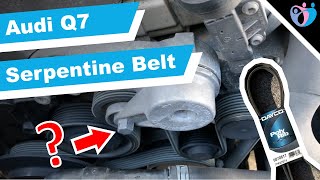
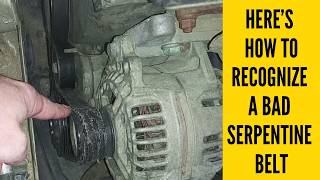
- Visible Wear and Damage: A visual inspection can reveal a lot. Look for cracks, fraying, glazing (a shiny surface), or missing chunks of rubber on the belt. Any visible damage means it's time for a replacement. 🎬 Watch: How to identify common symptoms of a bad belt.
- Accessory Problems: If your Q7's power steering feels heavy, the A/C isn't blowing cold, or the battery warning light comes on, it could be due to a slipping or broken belt. These accessories depend on the belt to function.
- Engine Overheating: The serpentine belt often drives the water pump. If the belt fails, the engine can overheat quickly, which can cause serious and expensive damage.
A Note on the Belt Tensioner
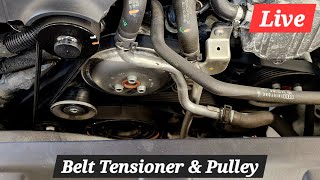
Often, the belt itself isn't the only problem. The belt tensioner, a spring-loaded pulley that keeps the belt tight, can also fail. A bad tensioner can cause squealing noises, a wobbling pulley, and premature belt wear. It is highly recommended to replace the tensioner and any idler pulleys at the same time as the serpentine belt. This ensures the entire system is reliable.
🎬 See this guide on replacing the tensioner and idler pulley.Choosing the Right Aftermarket Serpentine Belt

When replacing the serpentine belt on your Audi Q7, you don't have to buy an expensive OEM part from the dealer. High-quality aftermarket brands offer excellent performance, often at a much better price. Here’s a look at the top brands available:
- Continental (ContiTech): Continental is a top-tier choice and is often the original equipment (OE) manufacturer for Audi. This means a Continental belt is likely identical to the one your Q7 came with from the factory, just without the Audi logo and dealer markup. They are known for their durability and quiet operation.
- Gates: Gates is another highly respected brand in the automotive world, known for making durable and reliable belts. Many professional mechanics trust and use Gates belts for their quality and performance.
- Dayco: Dayco is a solid, budget-friendly option that still provides reliable performance. While some users note they can be slightly noisier or stiffer than other brands, they are a dependable choice for a daily driver.
Pro Tip: For the 2007-2016 Q7, Continental is the safest bet for OE-level quality. Given that they are often the original supplier, you are essentially getting the same part as the genuine one for less money.
Cost of Replacing an Audi Q7 Serpentine Belt
The cost can vary depending on your Q7's engine and local labor rates. The 3.0T models have two belts, which can increase the parts and labor cost. Here is a general cost breakdown:
| Item | Estimated Cost |
|---|---|
| New Aftermarket Serpentine Belt | $21 - $87 |
| New OEM Serpentine Belt | $114 - $180 |
| Shop Labor | $175 - $256 |
| Total Professional Replacement | $288 - $437 |
Frequently Asked Questions

How often should I replace my Q7's serpentine belt?
There isn't a single strict interval from Audi, but a general rule is to inspect the belt starting around 60,000 miles and plan for replacement between 60,000 and 100,000 miles. For the 3.0T V6, Audi recommends replacing the front supercharger belt every 60,000 miles. Always replace it if you see signs of cracking, fraying, or other wear.
Is this a DIY-friendly job?
For an experienced DIYer, yes. However, access can be tight, especially on the V8 and 3.0T engines. The 3.0T requires removing the inner accessory belt before the outer supercharger belt. You will need specific tools, including a long wrench or serpentine belt tool to release the tensioner, and possibly triple-square bits for the tensioner bolts. If you are not comfortable with this, it's best to leave it to a professional.
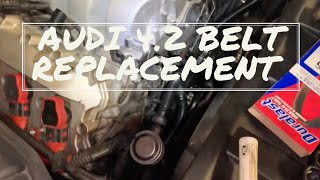
🎬 Watch this step-by-step 3.6L engine belt replacement walkthrough.Do I need to know my engine size to order the right belt?
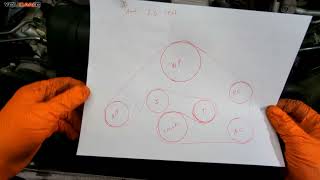
Yes, absolutely. The 2007-2016 Audi Q7 was available with several engines (3.6L V6, 4.2L V8, 3.0L TDI diesel, 3.0T supercharged V6). Each engine has a different belt length and routing diagram. The 3.0T model even has two separate belts. You must order the belt specific to your vehicle's year and engine to ensure a proper fit.
Are there any recalls for the serpentine belt on the 2007-2016 Q7?
No, searches of the National Highway Traffic Safety Administration (NHTSA) database did not show any specific recalls for the serpentine belt or its related components for the 2007-2016 model years. There was a TSB for newer models regarding noise from the belt tensioner, but it does not apply to this generation.
Helpful Videos
Technical Specifications
OEM Part Numbers: 059903137AL 06E903133M 022145933P
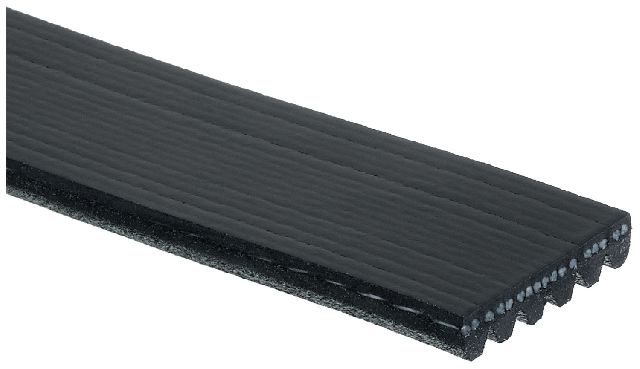
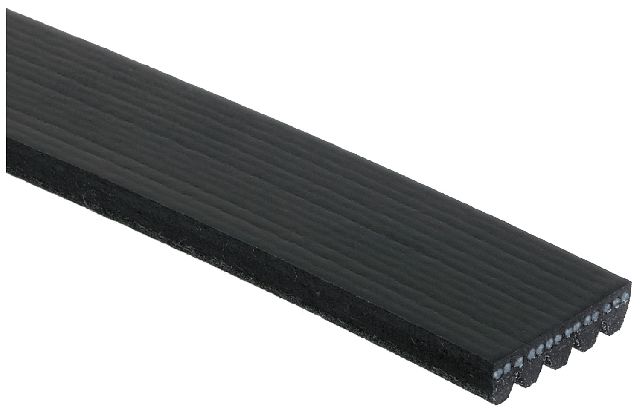
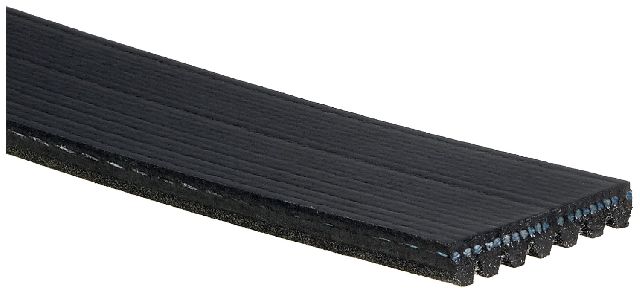
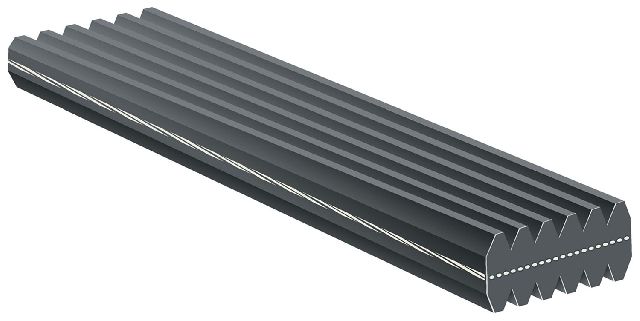
The Audi Q7 (2007-2016) uses a multi-ribbed (Poly-V) serpentine belt. The exact length and number of ribs vary significantly depending on the engine (3.6L VR6, 4.2L V8, 3.0L TDI, 3.0T V6). The 3.0T V6 model uses two belts: a main accessory belt and a separate supercharger belt. Belts are typically made from EPDM rubber for longevity and resistance to heat and oil.
We Have This Part in Stock

The information in this article is provided for general reference and educational purposes only. Vehicle specifications, procedures, and part compatibility can vary by production date, trim level, and region. Always consult your vehicle's factory service manual and verify part numbers before purchasing or performing repairs. Safety-critical components such as airbags, seat belts, and braking systems should be installed by a qualified professional.
- Audi Q7: