

BMW 328i Spark Plug Guide: Choosing the Right Part for 2007-2016 Models
Avoid engine misfires and restore performance by understanding the crucial differences in spark plugs for your 328i.
- Identify your engine first: 2007-2013 models typically have the 6-cylinder N52, while 2012-2016 models have the 4-cylinder N20. They use different plugs.
- Stick with OEM brands like NGK and Bosch for aftermarket replacements to ensure compatibility and performance.
- While BMW suggests long replacement intervals, changing plugs every 60,000 miles is recommended by many owners and mechanics to maintain engine health.
- Symptoms like a rough idle, engine misfires, and poor acceleration are strong indicators that your spark plugs may need to be replaced.
Is Your BMW 328i Running Rough? It Could Be The Spark Plugs.
Worn-out spark plugs are a common cause of engine problems in the 2007-2016 BMW 328i. When a spark plug fails, it can't create the strong spark needed for proper combustion. This can lead to a range of noticeable symptoms that affect your car's performance and drivability.
Key Differences: E90/E92 vs. F30 Models
The 2007-2016 year range for the 328i covers two different generations with very different engines. It is critical to identify which one you have before buying parts.
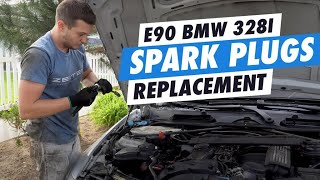
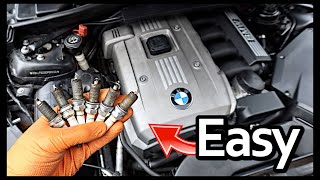
- 2007-2013 (E90/E91/E92/E93 chassis): These models are equipped with the naturally-aspirated 6-cylinder N52 engine. They require a set of six spark plugs. 🎬 See this easy walkthrough for N52 spark plug replacement
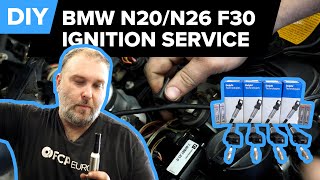
- 2012-2016 (F30 chassis): These models feature the turbocharged 4-cylinder N20 engine. They require a set of four spark plugs. 🎬 Watch: F30 N20 spark plug and ignition coil DIY guide
Pro Tip: The easiest way to tell is by the model year. A 2011 328i has the N52 engine, while a 2014 328i has the N20 engine. The 2012 and 2013 years can be confusing, as both generations were sold. Check your vehicle's documentation or look under the hood to be certain.
Symptoms of Failing Spark Plugs
If your spark plugs are due for a change, your car will likely let you know. Watch out for these common signs:
- Rough Idle: The engine may vibrate or shake more than usual when the car is stopped.
- Engine Misfires: You may feel a jerking or stumbling sensation during acceleration. This is often accompanied by a flashing Check Engine Light.
- Reduced Power and Acceleration: The car may feel sluggish or slow to respond when you press the gas pedal.
- Poor Fuel Economy: Worn plugs lead to inefficient fuel combustion, meaning you'll be visiting the gas station more often.
- Difficulty Starting: The engine may take longer to crank before it starts, or it might not start at all in severe cases.
Known Issues, Recalls, and TSBs
While there are no specific recalls for spark plugs on the 2007-2016 BMW 328i, it's important to be aware of related items. Some 328i models were part of recalls for issues with battery cable connectors and electric water pumps, which can affect the vehicle's electrical system. No technical service bulletins (TSBs) directly targeting spark plug failure were found, though some bulletins discuss updates to spark plug part numbers and replacement intervals, especially for the N20 engine.
Choosing the Right Aftermarket Spark Plugs
For BMWs, it is highly recommended to use spark plugs from the original equipment (OE) manufacturers, which are primarily NGK and Bosch. These brands produce the exact plugs BMW puts in at the factory. While other brands are available, owner and mechanic consensus strongly favors sticking with the OE suppliers for best performance and to avoid potential issues.
Brand Tiers for Your BMW 328i
- Tier 1 (Recommended): NGK & Bosch
These are the OE suppliers for BMW. They offer Iridium and Platinum plugs that are designed specifically for the N52 and N20 engines, ensuring proper heat range, gap, and longevity. You cannot go wrong choosing the correct NGK or Bosch plug for your specific engine. - Tier 2 (Good Quality): Denso
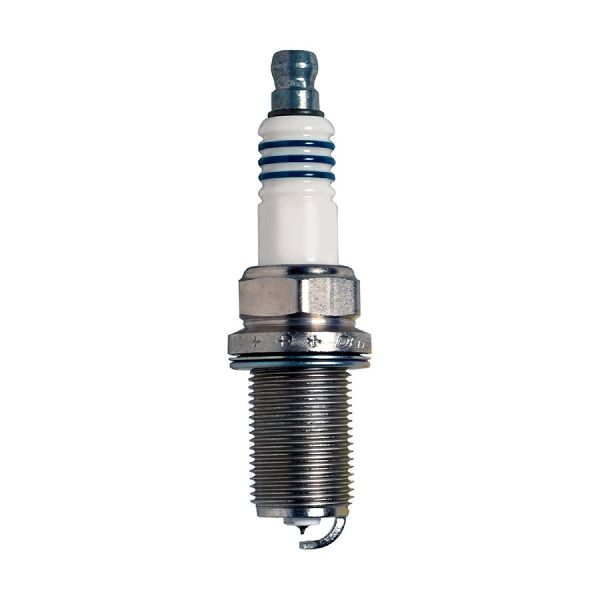
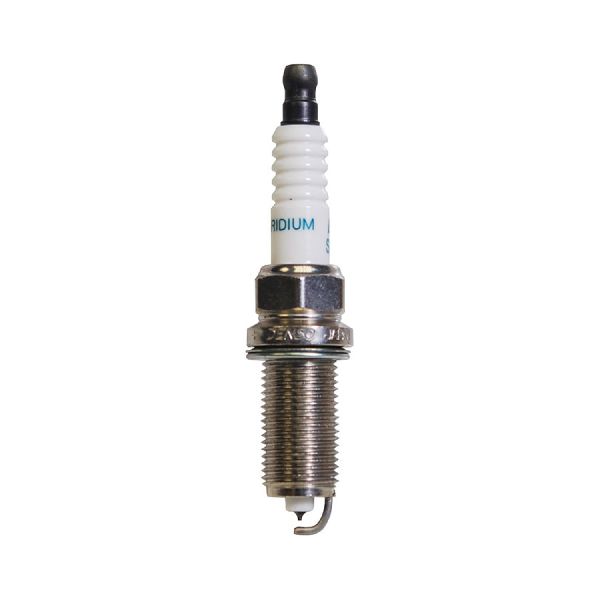
Denso is a well-respected Japanese brand known for high-quality ignition components. Their Iridium plugs are a viable alternative if the recommended NGK or Bosch plugs are unavailable, but always cross-reference the part number to ensure compatibility. - Tier 3 (Use with Caution): Autolite & Champion
While these brands offer plugs that may fit, they are generally not recommended by the BMW community for these sensitive engines. Some owners have used Champion Iridium plugs without immediate issue, but the general advice is to avoid them to prevent potential running problems. Copper plugs from any brand should be avoided as they are not designed for the long service intervals of modern BMWs.
| Brand | Type | Price Range (Single Plug) |
|---|---|---|
| NGK / Bosch | Iridium / Platinum | $10 - $25 |
| Denso | Iridium | $9 - $20 |
| Autolite / Champion | Iridium / Platinum | $7 - $18 |
Note: Prices are estimates and can vary based on retailer and specific part number.
Frequently Asked Questions
How often should I replace the spark plugs on my 328i?
It depends on your engine. For the N52 engine (2007-2013), BMW's original interval was 100,000 miles, but most mechanics and owners recommend a shorter interval of 60,000-75,000 miles for smoother performance. For the N20 engine (2012-2016), the recommended interval is around 60,000 miles, though some suggest as low as 30,000-50,000 miles, especially on earlier models or tuned vehicles.
Do I need to gap the spark plugs for my BMW?
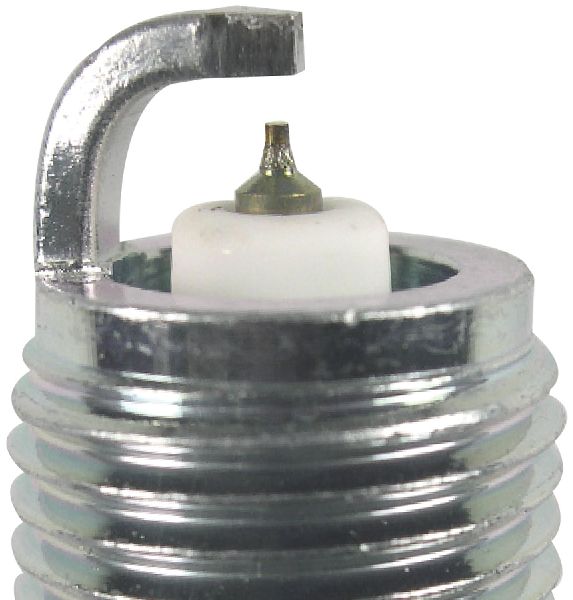
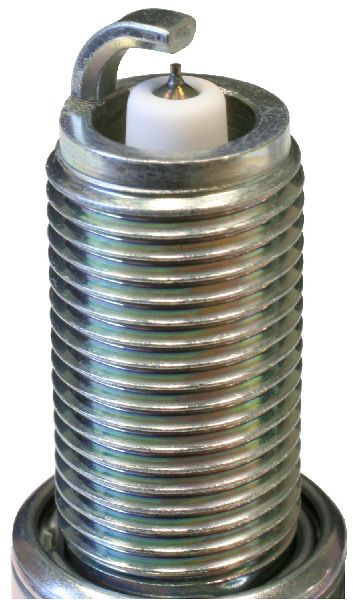
No, if you buy the correct OE-style plugs from NGK or Bosch, they come pre-gapped from the factory. It is not recommended to attempt to gap Iridium or Platinum plugs as you can easily damage the fine tip.
Is it okay to mix spark plug brands?
It is strongly recommended to use a full set of identical spark plugs. While technically the car might run with a mix of OE-spec plugs from Bosch and NGK, it's bad practice and can lead to inconsistent performance. Never mix different types or brands of plugs.
Should I replace the ignition coils at the same time?
It is not required, but it is good preventative maintenance. Ignition coils sit directly on top of the spark plugs and must be removed to access them. If your car has high mileage (over 100,000 miles) or you are experiencing misfires that aren't solved by new plugs, replacing the coils at the same time can save you from doing the same job twice.
Helpful Videos
Technical Specifications
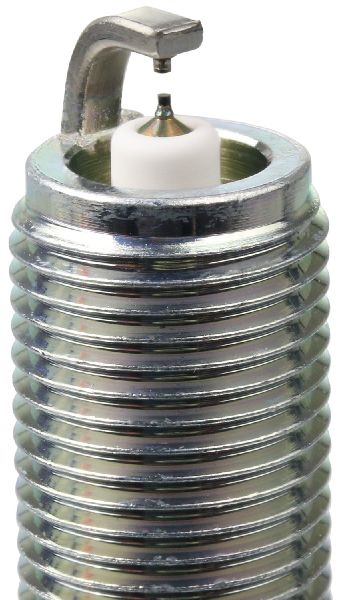
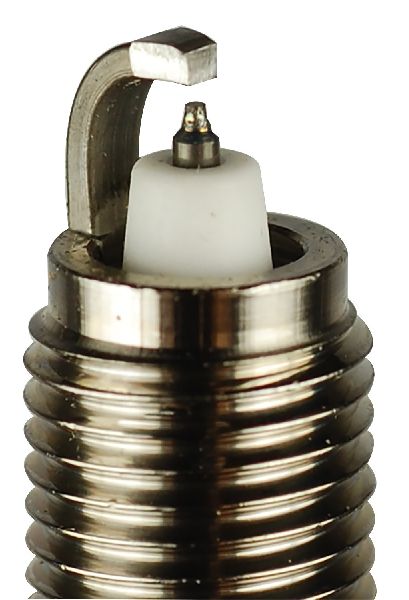
OEM Part Numbers: 12122158253 12120037663 12120039664
N52 Engine (6-cylinder): Requires 6 plugs. Commonly uses NGK PLZFR6A-11S or Bosch FR7NPP332. N20 Engine (4-cylinder): Requires 4 plugs. Commonly uses NGK SILZKBR8D8S. A thin-walled 12-point 14mm spark plug socket is required for the N20 engine, while a standard 5/8" socket works for the N52.
We Have This Part in Stock

The information in this article is provided for general reference and educational purposes only. Vehicle specifications, procedures, and part compatibility can vary by production date, trim level, and region. Always consult your vehicle's factory service manual and verify part numbers before purchasing or performing repairs. Safety-critical components such as airbags, seat belts, and braking systems should be installed by a qualified professional.
- BMW 328i:
- 🎬 Helpful Videos
- 🛍️ Shop This Part
- Is Your BMW 328i Running Rough? It Could Be The Spark Plugs.
- Key Differences: E90/E92 vs. F30 Models
- Symptoms of Failing Spark Plugs
- Known Issues, Recalls, and TSBs
- Choosing the Right Aftermarket Spark Plugs
- Brand Tiers for Your BMW 328i
- Frequently Asked Questions
- 🎟️ Get 5% Off