

BMW 528i Horn Replacement Guide (2007-2016)
If your BMW's horn sounds weak or has stopped working, this guide will walk you through the common causes and solutions.
- A weak or 'scooter-like' sound means one of your two horns has failed; it's best to replace them in pairs.
- Before buying parts, check the horn fuse located in the glove compartment.
- Accessing the horns may require removing the front bumper cover, especially on 2011-2016 models.
- An aftermarket horn from a brand like Vemo can be a cost-effective alternative to OEM parts for this repair.
Is Your BMW 528i Horn Failing?
A common issue for the 2007-2016 BMW 528i is a change in the horn's sound or complete failure. Often, one of the two horns (high or low pitch) will fail first, leaving you with a sound that is weak or higher-pitched than normal. This is usually due to the horn unit itself failing from age or moisture getting inside. Before replacing the horn, it's wise to check the basics first.
Common Failure Symptoms & Causes
- Weak or Distorted Sound: Often the first sign of failure. This can be caused by a bad horn unit or corroded electrical connections. Moisture and road grime can clog the horn's diaphragm.
- Horn Not Working at All: If there's no sound, the first thing to check is the fuse. For 2007-2010 (E60) models, the horn fuse is typically fuse #28 (a 20A fuse) located in the glove box. 🎬 Watch this video to find the E60 horn fuse location. For 2011-2016 (F10) models, you'll need to check fuses #8 and #62 in the glove box fuse panel. Other causes can be a bad relay, a broken wire, or a faulty clockspring in the steering column. 🎬 See common reasons why the F10 horn stops working.
- Horn Works Intermittently: This usually points to a loose wire, a failing horn switch in the steering wheel, or corrosion on the electrical connectors at the horn itself. Simply unplugging, cleaning, and reconnecting the horn can sometimes solve the problem.
Generational Differences: E60 vs. F10
The 2007-2016 year range covers two different generations of the 5 Series. The 2007-2010 models are the E60 chassis, while the 2011-2016 models are the F10 chassis. While the horn's function is the same, the location of the horns and the replacement procedure can differ slightly. For the F10, removing the front bumper is often necessary 🎬 Follow these steps to replace F10 horns with bumper removal. to access both horns. For the E60, you may be able to access them by removing the passenger headlight or the splash shield in the wheel well.
Choosing an Aftermarket Horn
When replacing a failed horn, you have the choice between OEM (Original Equipment Manufacturer) and aftermarket parts. For a component like a horn, a quality aftermarket part can offer significant savings without a noticeable difference in performance.
- OEM: Genuine BMW horns will be a perfect match but come at a higher price.
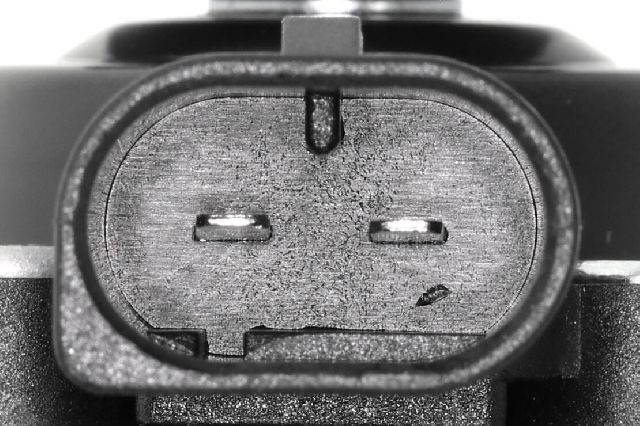
- Aftermarket (Vemo): Vemo is a known aftermarket brand that produces replacement parts for European vehicles. Customer reviews for Vemo horns on other BMW models are generally positive, with users noting they are a good value and provide a loud, clear sound. For non-critical parts like a horn, a quality aftermarket brand like Vemo is a sensible choice to save money. It is recommended to replace both horns at the same time to ensure a matched tone.
Pro Tip: When replacing the horns, it's a good idea to apply some dielectric grease to the electrical connectors. This helps prevent corrosion and ensures a solid connection for years to come.
Cost of Replacing a BMW 528i Horn
| Part Type | Price Range |
|---|---|
| New OEM | $35 - $55 per horn |
| New Aftermarket (Vemo) | $69.86 (for the available part) |
| Used OEM | $15 - $30 per horn |
| Shop Labor | $120 - $250 |
Note: Prices are estimates and can vary based on supplier, location, and vehicle generation. Labor costs can be higher if bumper removal is required.
Frequently Asked Questions
Where are the horns located on my 2007-2016 BMW 528i?
The horns are located behind the front bumper. On the E60 (2007-2010), the horn is often in front of the front passenger-side tire, accessible by removing the headlight or wheel well liner. On the F10 (2011-2016), there is a high-tone and low-tone horn, one on the driver's side and one on the passenger's side, typically requiring bumper removal for full access.
My horn sounds funny, like a scooter. What's wrong?
This almost always means one of the two horns (high or low pitch) has failed. Your BMW uses two horns to create a full sound. When one stops working, you're left with the sound of the single remaining horn. It's best to replace them as a pair to ensure the correct tone.
Can I replace the horn myself?
Yes, this is a feasible DIY job for many home mechanics. The main challenge is accessing the horns. For some models, this may require removing the front bumper cover. Always disconnect the negative battery terminal before starting work to prevent any electrical issues.
Are there any recalls for the BMW 528i horn?
As of now, there are no specific recalls for the horn itself on the 2007-2016 BMW 528i. It's always a good practice to check the NHTSA website for any open recalls on your specific vehicle.
Helpful Videos
Technical Specifications
OEM Part Numbers: 61337279782 61338362360 61337455832 61334871993 61337279781
System uses a dual-tone setup with one high-pitch horn (approx. 510 Hz) and one low-pitch horn.
We Have This Part in Stock

The information in this article is provided for general reference and educational purposes only. Vehicle specifications, procedures, and part compatibility can vary by production date, trim level, and region. Always consult your vehicle's factory service manual and verify part numbers before purchasing or performing repairs. Safety-critical components such as airbags, seat belts, and braking systems should be installed by a qualified professional.
- BMW 528i: