

A Guide to the Serpentine Belt for the 2007-2016 BMW 528i
Understanding serpentine belt replacement for your E60 and F10 generation BMW 528i.
- Identify your engine first: 2007-2011 models likely have the N52, while 2012-2016 models have the N20. They use different parts.
- Address any oil leaks immediately to prevent the common and catastrophic issue of the belt being sucked into the engine.
- Always replace the belt tensioner and idler pulleys at the same time as the serpentine belt for reliability.
- Stick with high-quality aftermarket brands like Continental, Gates, or Dayco for OEM-level performance and fit.
Understanding Your 528i's Engine


The 2007-2016 BMW 528i was built with two different engines, and they use different serpentine belts and components. It is critical to identify your engine before purchasing parts.
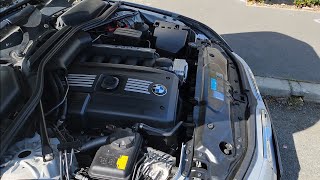
- 2007-2011 (E60 chassis): These models typically have the N52 6-cylinder engine. The water pump on many of these engines is electric and not driven by the serpentine belt.
- 2012-2016 (F10 chassis): These models have the N20 4-cylinder turbocharged engine.
Always verify your vehicle's production year and engine type before ordering.
A Critical Known Issue: Oil Leaks and Belt Ingestion
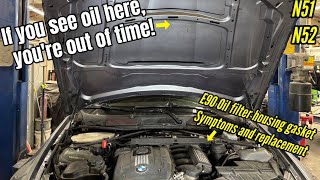
A widely-known problem on many BMW engines, including the N52 and N20, is the potential for the serpentine belt to shred and get pulled past the front crankshaft seal into the engine. This is often caused by oil leaking from a failing oil filter housing gasket 🎬 Watch this guide to fixing the oil filter housing leak or valve cover gasket, which drips onto the belt, causing it to swell, slip off, and shred. Once inside, belt fragments can clog the oil pump pickup tube, starving the engine of oil and leading to catastrophic failure. It is crucial to fix any oil leaks immediately to prevent this expensive repair.
Choosing the Right Aftermarket Belt

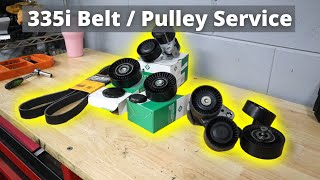
For a critical part like the serpentine belt, quality is important. While a genuine BMW belt is an option, several aftermarket brands offer OEM-quality or better performance. It is highly recommended to replace the belt tensioner and any idler pulleys at the same time as the belt.
- Top Tier (OEM-Equivalent): Continental is a well-regarded brand and is often the original equipment (OEM) supplier for BMW. Choosing a Continental belt is as close to factory as you can get, ensuring excellent fit and durability.
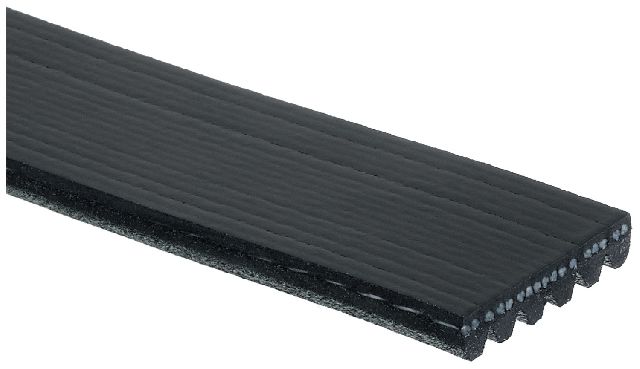
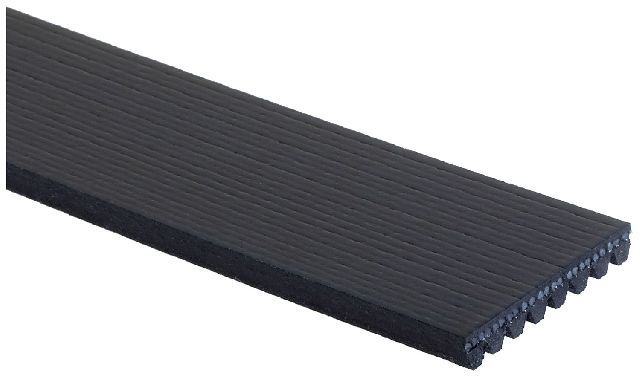
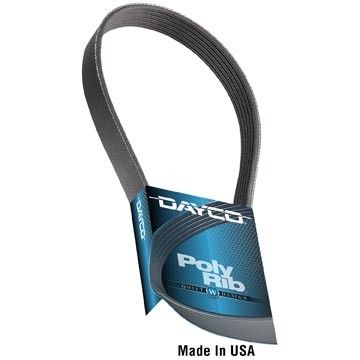
- Excellent Alternatives: Gates and Dayco are also top-tier manufacturers that produce high-quality serpentine belts. They are known for their durable EPDM rubber construction which resists heat and cracking. Gates even offers kits that include the belt, tensioner, and pulleys for a complete job.
Pro Tip: When replacing your belt, also purchase the belt tensioner and idler pulley(s). A worn-out tensioner is a common cause of premature belt failure. Replacing these components together saves you from having to do the job twice.
| Item | Estimated Cost |
|---|---|
| New Aftermarket Serpentine Belt | $37 - $73 |
| Aftermarket Belt Kit (Belt, Tensioner, Pulleys) | $90 - $200+ |
| Shop Labor | $100 - $180 |
| Total Professional Replacement | $172 - $252+ |
Frequently Asked Questions (FAQ)

When should I replace my 528i's serpentine belt?
The general recommendation is to inspect the belt regularly and replace it between 60,000 and 100,000 miles. However, if you see any signs of cracking, fraying, glazing, or if the belt is contaminated with oil, it should be replaced immediately, regardless of mileage.
Is this a difficult DIY job?
For a mechanically inclined owner with the right tools, this is a very feasible DIY job. The job is straightforward on both the N52 and N20 engines and can typically be completed in under two hours. You will need a specific tool (like a T60 Torx bit for the N52 or a 16mm socket for the N20) to release the belt tensioner.
What happens if my serpentine belt breaks while driving?
If the belt breaks, your car will immediately lose power to the alternator, A/C compressor, and power steering. The battery will no longer charge, and the steering will become very heavy and difficult to turn. If your engine's water pump is belt-driven, the engine will quickly overheat. You should pull over safely as soon as possible.
Why is my new belt squealing?
A new belt can squeal for a few reasons. The most common is a worn-out tensioner that isn't providing enough tension. It could also be due to a misaligned pulley or fluid (like oil or coolant) leaking onto the new belt. It is almost never the fault of the new belt itself if it's a quality brand.
Helpful Videos
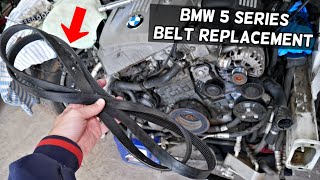
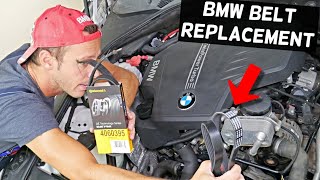

Technical Specifications
OEM Part Numbers: 11287618848 11287552233
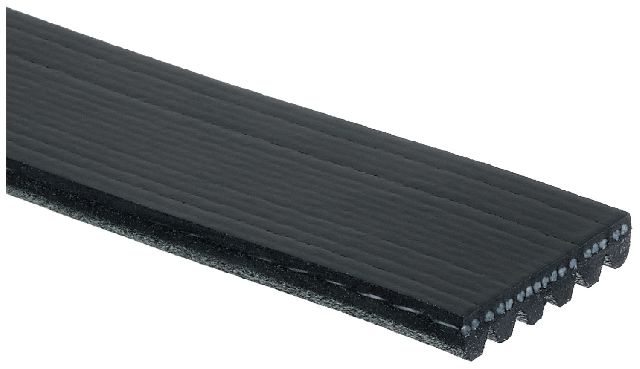
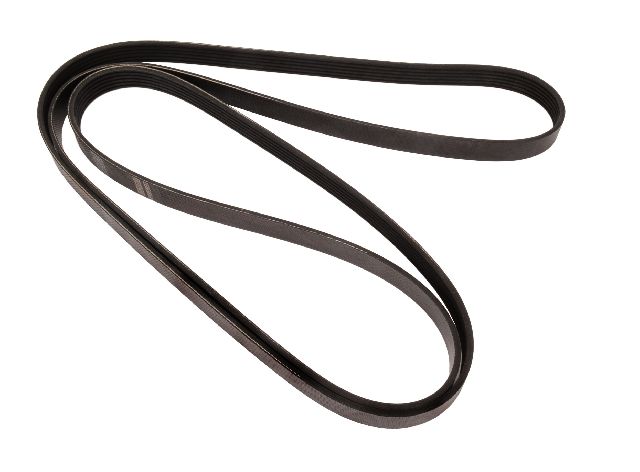
The key specifications (length, rib count) vary significantly between the N52 and N20 engines. The N52 uses a longer belt for its 6-cylinder layout, while the N20 uses a shorter belt. Always use a part finder to confirm the exact belt for your specific vehicle year and model.
We Have This Part in Stock

The information in this article is provided for general reference and educational purposes only. Vehicle specifications, procedures, and part compatibility can vary by production date, trim level, and region. Always consult your vehicle's factory service manual and verify part numbers before purchasing or performing repairs. Safety-critical components such as airbags, seat belts, and braking systems should be installed by a qualified professional.
- BMW 528i: