

A Guide to Spark Plugs for the 2007-2016 BMW 528i
Choosing the right spark plugs is critical for your BMW 528i's engine health and performance.
- Identify your engine: 2007-2011 models typically have the N52 6-cylinder, while 2012-2016 models have the N20 4-cylinder turbo. The engine type determines the correct part and replacement interval.
- Stick with OEM-equivalent brands like Bosch and NGK. BMW engines are sensitive, and these brands ensure proper performance and avoid issues like misfires.
- Replace spark plugs as a complete set, not individually, to ensure consistent performance across all cylinders.
- While most plugs are pre-gapped, it's wise to verify the gap before installation. Do not add anti-seize unless the manufacturer explicitly recommends it.
Understanding Your 528i's Engine is Key
The 2007-2016 BMW 528i came with two different engines, and the type in your car is the most important factor in choosing the right spark plugs. This also affects how often you need to change them.
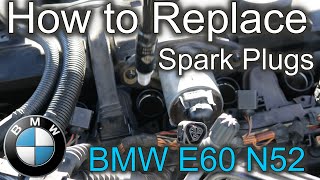
- 2007-2011 BMW 528i (E60/F10): These models are equipped with the naturally-aspirated 6-cylinder N52 engine. 🎬 See this walkthrough for replacing plugs on the N52 engine. These engines are generally less demanding on spark plugs.
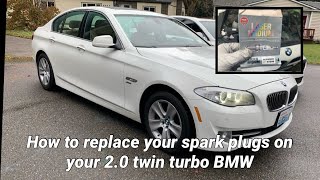
- 2012-2016 BMW 528i (F10): These models feature the 4-cylinder turbocharged N20 engine. 🎬 Watch: Step-by-step spark plug replacement for the N20 engine. Turbocharged engines create higher cylinder pressures and temperatures, which means they are harder on spark plugs and require more frequent changes.
Symptoms of Failing Spark Plugs
When your spark plugs are nearing the end of their life, your BMW will let you know. Ignoring these signs can lead to reduced fuel economy, failed emissions tests, and potential damage to other components like ignition coils or catalytic converters.
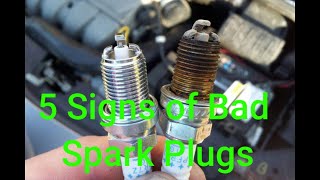
- Engine Misfires or Stuttering: The car may jerk, shudder, or hesitate while driving. This is often the most common symptom.
- Rough Idle: Your car may vibrate or shake excessively when stopped with the engine running.
- Poor Acceleration: The car may feel sluggish or unresponsive when you press the gas pedal.
- Reduced Fuel Economy: Worn plugs can cause inefficient fuel combustion, making you visit the gas station more often.
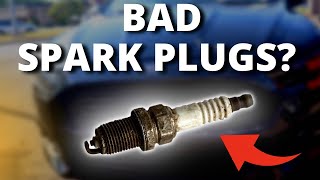
- Check Engine Light: A misfiring cylinder will often trigger the check engine light. Common codes include P0300 (random misfire) or P0301-P0306 (indicating a specific cylinder). 🎬 Watch: How to identify failing spark plugs on your BMW.
- Difficulty Starting: Worn plugs can make it harder for the engine to turn over, especially in cold weather.
Generation and Engine Differences
It is critical to identify your engine before purchasing parts. A 2011 528i uses a 6-cylinder engine (N52), while a 2012 528i uses a 4-cylinder turbo engine (N20). They require different spark plugs and have different replacement intervals. Always verify the part fitment for your specific year and engine.
Choosing the Right Aftermarket Spark Plugs
BMW engines are known for being sensitive to spark plug quality. While some aftermarket parts offer a chance to save money, this is an area where sticking to OEM-quality brands is highly recommended.
Brand Quality Tiers
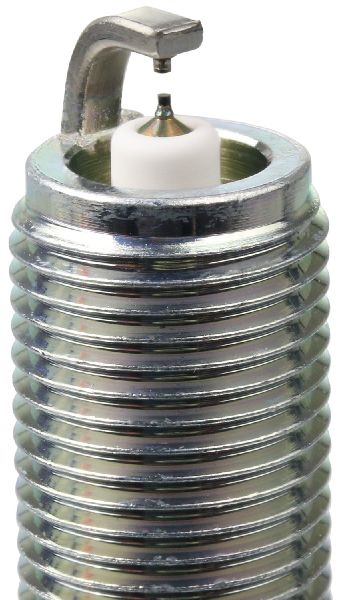
- Tier 1: OEM-Equivalent (Bosch & NGK): Bosch and NGK are the original equipment manufacturers for BMW. Choosing spark plugs from these brands is the safest way to ensure compatibility, performance, and longevity. They are engineered specifically for the demands of BMW engines.
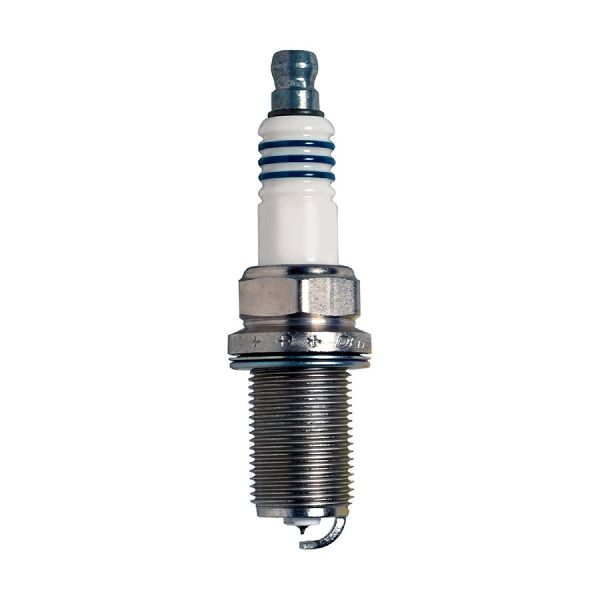
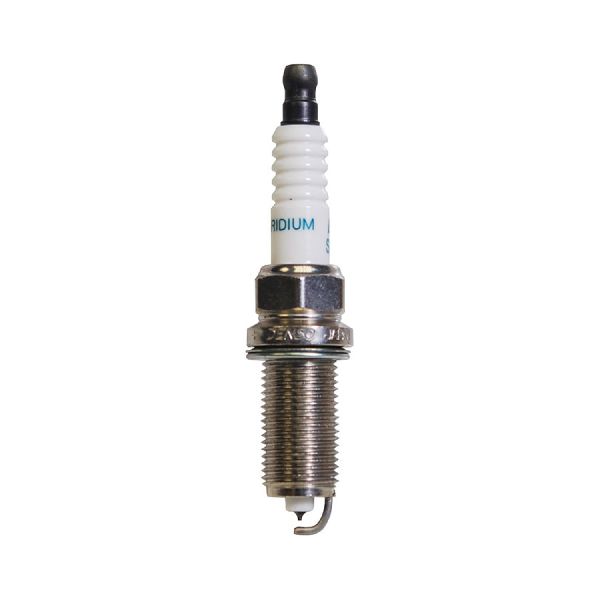
- Tier 2: High-Quality Aftermarket (Denso): Denso is a well-respected Japanese brand known for producing high-quality ignition components. Their Iridium plugs are a reliable alternative to Bosch and NGK and are known for durability and performance.
- Tier 3: Budget Brands (Autolite, Champion): While brands like Autolite and Champion offer less expensive options, they are generally not recommended for modern BMW engines. Forum discussions show mixed results, with some owners experiencing misfires and other issues after installation. Given the sensitivity of the ignition system, it's best to invest in OEM-spec brands.
Pro Tip: Iridium vs. Platinum
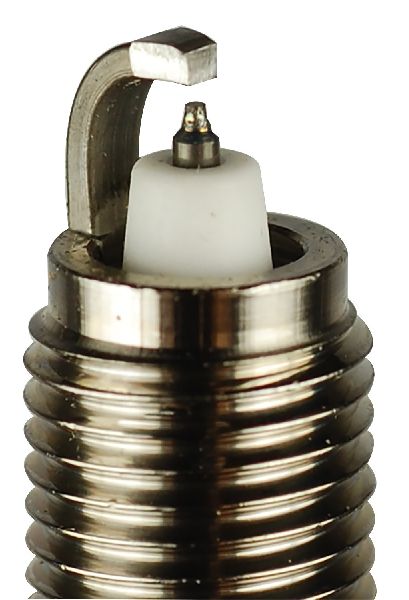
Most modern spark plugs for the 528i are either Iridium or Platinum. Iridium plugs generally offer the best performance and longest life, lasting up to 100,000 miles in some applications. They are an excellent choice for both the N52 and the more demanding N20 turbocharged engine.
| Item | Estimated Cost |
|---|---|
| New Aftermarket Spark Plugs (Set of 4 or 6) | $40 - $150 |
| New OEM Spark Plugs (Set of 4 or 6) | $60 - $200 |
| Shop Labor | $179 - $262 |
| Total Professional Replacement | $263 - $418 |
Frequently Asked Questions
How often should I replace the spark plugs on my 528i?
The interval depends on your engine. For the N20 engine (2012-2016), BMW recommends replacement every 60,000 miles. For the older N52 engine, the interval can be longer, around 60,000 to 100,000 miles. However, it's always best to consult your owner's manual or replace them if you notice any symptoms.
Do I need to gap the spark plugs?
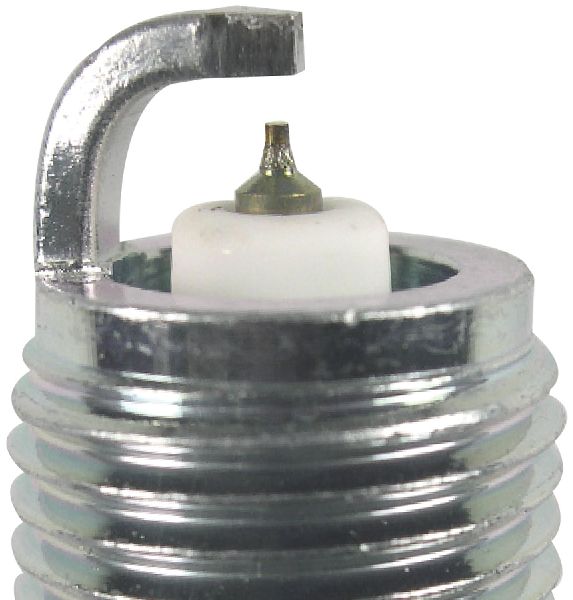
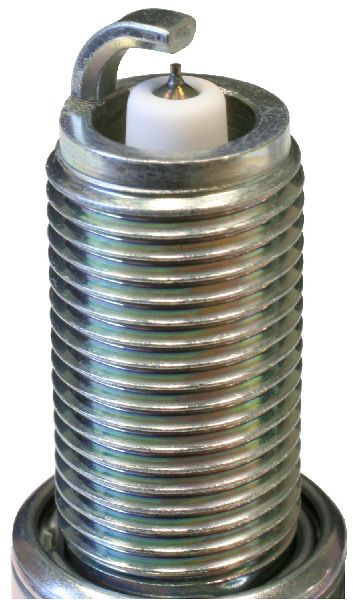
Most high-quality spark plugs from brands like NGK and Bosch come pre-gapped for your vehicle. It is always a good practice to double-check the gap with a feeler gauge before installation, as they can be knocked out of spec during shipping. The correct gap is crucial for performance.
Should I use anti-seize on the threads?
This is a debated topic. Major brands like NGK and Bosch often use a special trivalent or nickel plating on their threads that acts as an anti-seize agent. They typically recommend NOT adding extra anti-seize compound, as it can act as a lubricant and cause you to over-torque the plug, potentially damaging the cylinder head. Always follow the specific plug manufacturer's instructions.
Is this a DIY-friendly job?
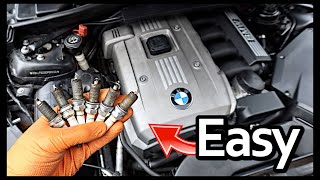
Yes, for a moderately experienced DIYer, this is a very manageable job. The spark plugs are located on top of the engine under a plastic cover and are easily accessible. You will need a few specific tools, including a torque wrench and a thin-walled 14mm spark plug socket. The job typically takes about one to two hours.
Are there any recalls or TSBs for the spark plugs?
Searches did not find any direct safety recalls for spark plug failure. However, there have been Technical Service Bulletins (TSBs) related to incorrect diagnostic software for spark plug service intervals, which could cause a premature service warning. There was also a recall (NHTSA Campaign 24V608000) for a water pump plug connector on 2012-2016 528i models, but this is unrelated to the spark plugs themselves.
Helpful Videos
Technical Specifications
OEM Part Numbers: 12120039664 12120038896 12120035915 12120032137
Engine-specific spark plugs are required. The 2007-2011 N52 engine uses six plugs, while the 2012-2016 N20 engine uses four. A special 14mm thin-wall spark plug socket is required for replacement. Torque specification for the N20 engine is approximately 18 ft-lbs.
We Have This Part in Stock

The information in this article is provided for general reference and educational purposes only. Vehicle specifications, procedures, and part compatibility can vary by production date, trim level, and region. Always consult your vehicle's factory service manual and verify part numbers before purchasing or performing repairs. Safety-critical components such as airbags, seat belts, and braking systems should be installed by a qualified professional.
- BMW 528i: